Yang Tianzi
As the United States nears the historic milestone of its 250th anniversary, Forbes’ Feb. 11 release of the “Top 250 Living Innovators” is more than a celebration of contemporary achievement — it is a reassessment of what “innovation” truly means.
From the world’s richest man, Elon Musk, claiming the top spot to NVIDIA CEO Jensen Huang ranking among the top five, the list spans technology, finance, film, and beyond. Together, it highlights the complexity of today’s innovation ecosystem and underscores the enduring strength of the United States as a nation of immigrants.

In-depth analysis of the Forbes 250 innovators list: From inventors to ecosystem builders
Forbes emphasized that all 250 innovators inherit the “Edison-style” spirit, though the concept has been reinterpreted in the 21st century. Today’s innovators are no longer simply scientists conducting technical inventions in laboratories. Rather, they are business leaders capable of bringing breakthrough technologies to market, establishing sustainable business models, and ultimately transforming—or even creating—entirely new industries.
This shift in definition reflects the evolution of innovation itself. In today’s highly complex economic environment, true innovation requires multiple capabilities at once: technological insight, business acumen, organizational leadership, capital management skills, and strong storytelling abilities to persuade investors, employees, and the public. In other words, modern top innovators are the core engines of innovation systems—they not only create technology, but more importantly, build entire ecosystems around it.
Success
You are now signed up for our newsletter
Success
Check your email to complete sign up
The selection process itself embodied the spirit of innovation. From nearly a thousand candidates, Forbes adopted an unprecedented “human-machine collaboration” model. In addition to a traditional human judging panel, the editorial team innovatively introduced the AI models OpenAI’s ChatGPT and Google’s Gemini to conduct ranking analyses under the same criteria, with the final results consolidated by the editors.
Musk tops the list: The ultimate cross-industry ‘zero-to-one’ model
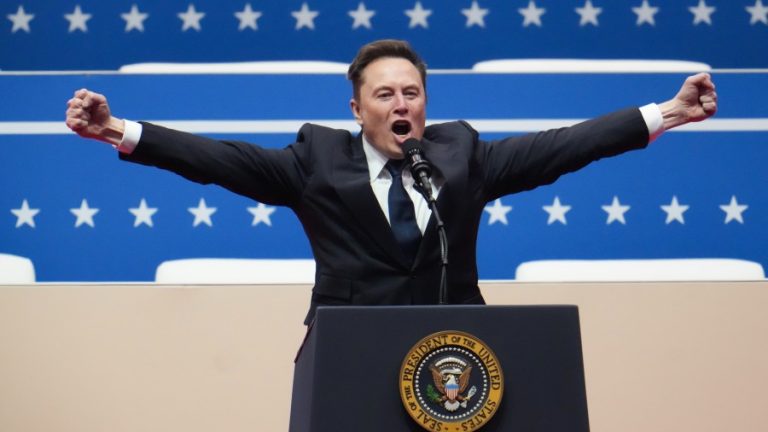
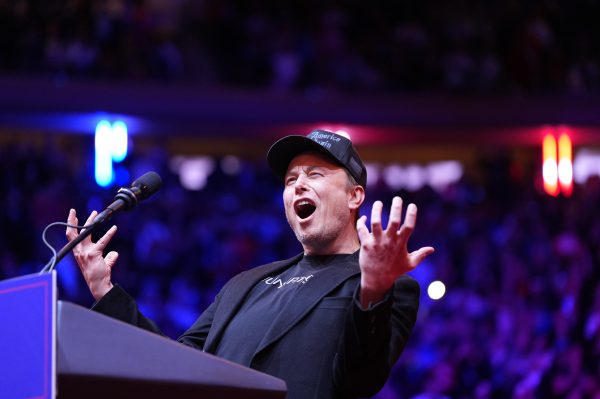
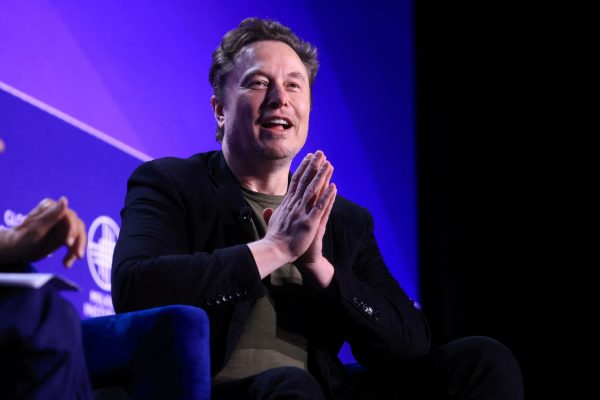
At age 54, Elon Musk ranked first—an outcome both expected and deeply symbolic of the times. His achievements lie not only in founding multiple successful companies, but in demonstrating an exceptionally rare ability for cross-industry innovation. From electric vehicle giant Tesla to space exploration company SpaceX, from brain-chip company Neuralink to artificial intelligence firm xAI, and tunnel engineering company The Boring Company, Musk’s business empire spans five distinct fields: transportation, space exploration, neurotechnology, artificial intelligence, and infrastructure.
Forbes noted that Musk is the only entrepreneur in history to build multibillion-dollar companies in five separate industries. Such an achievement requires not only exceptional technological insight, but also extraordinary execution, extreme risk tolerance, and resource integration skills. Musk’s success model reflects a key feature of modern innovation: many “future industries” are highly capital-intensive and technologically demanding, beyond the reach of most entrepreneurs. Yet through extreme risk-taking and long-term narrative building, top innovators can force open the doors of markets and capital.
More importantly, Musk represents a “repeatable innovation capability.” Rather than focusing deeply on a single field, he has developed a systematic, cross-industry innovation methodology capable of replicating the “zero-to-one” startup model across emerging sectors.
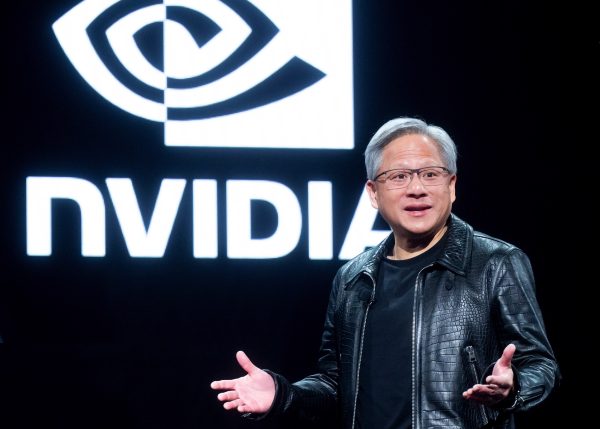
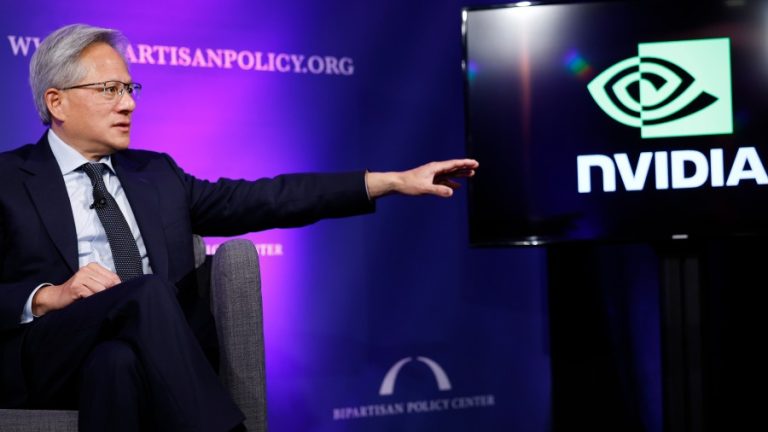
Jensen Huang ranks fifth: From gaming graphics cards to the heart of the AI economy
Jensen Huang’s fifth-place ranking reflects his pivotal role in the AI era. Forbes succinctly summarized his path to success: by betting early on parallel computing, he transformed a niche market serving gamers into the core engine of an AI economy generating approximately $187 billion in annual revenue.
Huang’s success demonstrates innovation on three levels. First, technological persistence and long-term thinking: long before the AI boom, NVIDIA continued investing in GPU parallel computing, building a comprehensive platform ecosystem spanning hardware, drivers, developer tools, and cloud solutions. When AI demand exploded, NVIDIA naturally became the industry standard.
Second, the power of platform-based innovation: NVIDIA does not merely sell chips; it has constructed a full infrastructure platform indispensable to AI startups, cloud service providers, and academic research—effectively becoming the “utilities company” of the AI era.
Third, the ability to anticipate trends and redefine corporate identity: NVIDIA’s transformation from a graphics card company into an “AI infrastructure provider” was not a natural evolution, but the result of strategic choice.
As a Taiwanese immigrant, Huang’s success symbolizes the significant role of Chinese entrepreneurs in global technological innovation and highlights the openness and inclusiveness of the American innovation ecosystem.
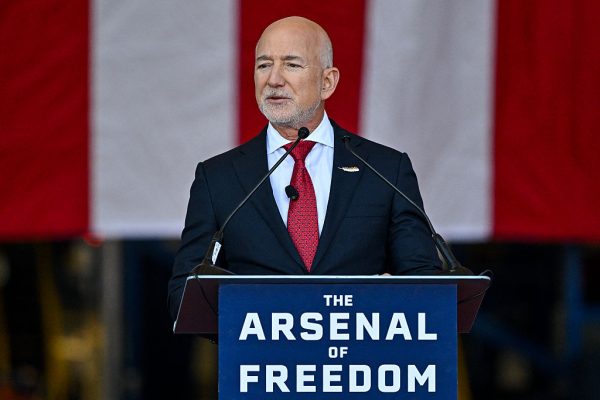
The continued influence of tech giants: Bezos, Gates, and Lucas
Ranking second and third were Jeff Bezos, founder of Amazon, and Bill Gates, founder of Microsoft, representing the pinnacle of technological innovation from the previous generation. Bezos not only built the world’s largest e-commerce platform, but also ushered in the cloud computing era through AWS, fundamentally transforming corporate IT infrastructure. Gates defined productivity standards for the personal computing era through Windows and Office, and later exemplified a new model of tech leaders as global problem-solvers through philanthropy.
Notably, ranking fourth was Hollywood director George Lucas, the only non-technology leader among the top five. His inclusion underscores the breadth of innovation. Through the Star Wars series, Lucas not only set new visual standards for modern science fiction films, but also revolutionized merchandising and licensing models, transforming movies from box office revenue streams into cross-generational cultural industry empires. In Forbes’ view, anyone who reshapes an industry over the long term through new business models or storytelling approaches qualifies as a top innovator.

The global innovation contributions of Taiwanese entrepreneurs: From hardware to AI
Several Taiwanese entrepreneurs appeared on the list, highlighting Taiwan’s important role in the global innovation ecosystem. In addition to Jensen Huang, Min Kao, founder and chairman of Garmin, successfully transformed GPS technology from military use into consumer products, creating the personal navigation device market. Jerry Yang, co-founder of Yahoo, defined the concept of web portals in the early internet era. David Sun, founder of Kingston Technology, established a leading global brand in memory modules, while Edwin Chen, founder of Surge AI, represents a new generation of Taiwanese innovators playing key roles in the AI supply chain.
These entrepreneurs share a common trait: they are active in foundational technologies, hardware supply chains, and internet infrastructure, positioning Taiwan as a “technology and supply chain powerhouse” within the global innovation system. Despite its relatively small market size, Taiwan plays a crucial “gear” role in the global technology landscape.
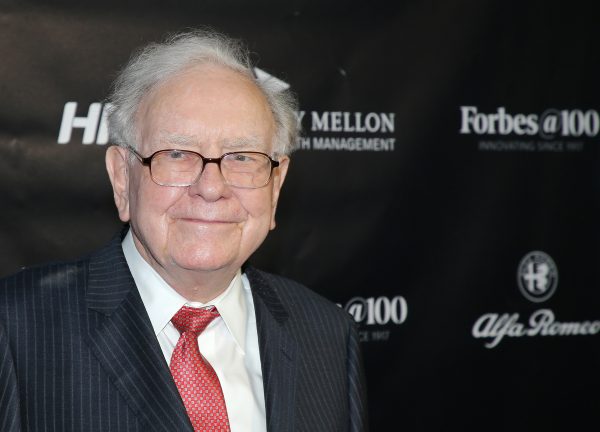
Transformative forces in finance and entertainment
The list’s diversity is also reflected in its recognition of innovators in finance and culture. In his 90s, the “Oracle of Omaha,” Warren Buffett, was included for his decades-long impact on global investment philosophy. Buffett not only succeeded as an investor, but also innovated investment thinking itself. His advocacy of value investing reshaped the behavior of countless investors and institutions, effectively introducing a more rational and disciplined model of capital allocation.
In entertainment, the inclusion of pop icons Madonna and Taylor Swift is particularly noteworthy. Swift ranked 250th, with Forbes noting that she “reshaped the music industry.” Beyond her music, her entrepreneurial actions—challenging music ownership norms, negotiating with streaming platforms, re-recording albums to regain rights, and creating a phenomenon-level touring economy—have brought profound change to the industry.
These examples demonstrate that in a highly digital and platform-driven era, innovation can come from challenging and rewriting existing rules—not solely from technological research and development.
Immigration spirit and American innovation culture
Forbes emphasized that the United States is a nation of immigrants, and the list reflects this reality. From South African immigrant Elon Musk to Taiwanese immigrants Jensen Huang and Jerry Yang, and many entrepreneurs from around the world, the phenomenon highlights the core qualities of the American innovation ecosystem: openness and inclusiveness.
America’s sustained innovative vitality largely stems from its ability to attract and cultivate top global talent. Immigrant innovators bring diverse cultural backgrounds, ways of thinking, strong motivation for success, and entrepreneurial spirit. They are often more willing to take risks and challenge established norms—qualities essential for breakthrough innovation.
At the same time, the United States provides a systemic innovation environment—including world-class universities and research institutions, deep capital markets (venture capital, private equity, and public markets), and relatively flexible regulations—enabling global talent to turn ideas into commercial entities and industry transformation.
Overall, the Forbes 250 Innovators list offers a mirror for observing the essence of contemporary innovation. It reveals that in a rapidly changing era, leaders who continuously create value and reshape the world share common traits and success patterns: integrated technological, commercial, and ecosystem-building capabilities; cross-disciplinary application of knowledge; long-term strategic vision; and the courage to take extreme risks.