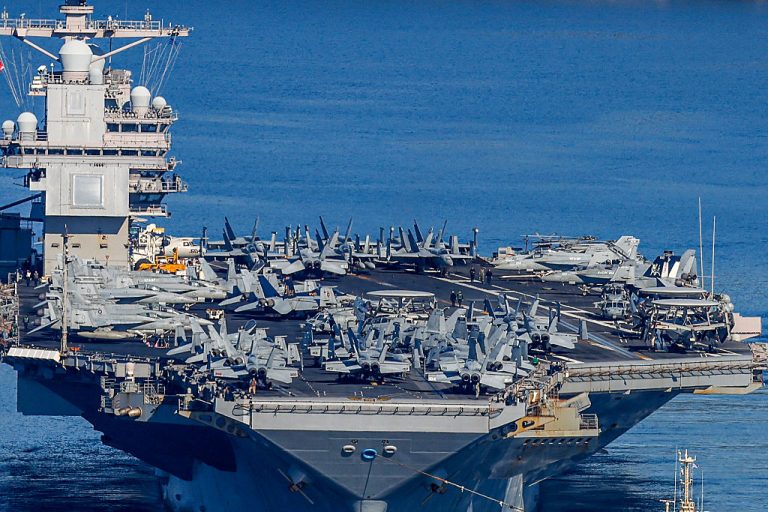
According to the New York Post, as the U.S. Navy’s most advanced aircraft carrier strike group, the USS Gerald R. Ford, arrived off the coast of Israel and Washington authorized the emergency evacuation of diplomatic personnel in Jerusalem and across Israel, tensions in the Middle East sharply escalated on Friday, Feb. 27. Although U.S. and Iranian diplomats in Geneva claimed “significant progress,” a series of substantive U.S. military preparations suggest that a strike against Iran may be imminent.
Early Friday morning, the U.S. Embassy in Jerusalem issued an emergency security alert. Given the possibility of a U.S. strike against Iran and potential retaliatory attacks, the State Department authorized the immediate departure of non-essential personnel and their families from U.S. diplomatic missions in Israel. The announcement specifically noted that due to the “unpredictable” security environment, the authorization applies to all relevant personnel in Tel Aviv and Jerusalem.
Meanwhile, the Ford aircraft carrier, symbolizing the U.S. military’s global supremacy, officially entered Israeli waters. This marks the largest U.S. naval and air force deployment in the Middle East since 2003. Alongside previously deployed F-35 and F-22 stealth fighter squadrons and B-21 bombers, the U.S. has established a full-spectrum posture capable of striking Iran.
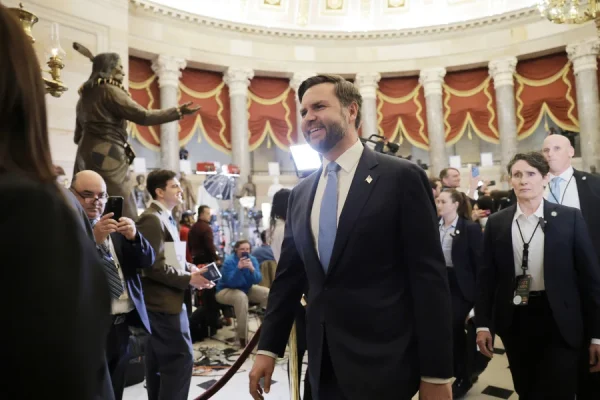
Vance sets the tone: avoiding a quagmire
Addressing concerns about potential U.S. involvement in another prolonged Middle Eastern conflict, Vice President JD Vance told the Washington Post on Friday that any potential action against Iran would be “overwhelming and targeted.”
“We will never wage a protracted war with no visible end,” Vance emphasized. “If action is necessary, it will be punitive and limited, aimed at eliminating the nuclear threat and restoring deterrence.”
Success
You are now signed up for our newsletter
Success
Check your email to complete sign up
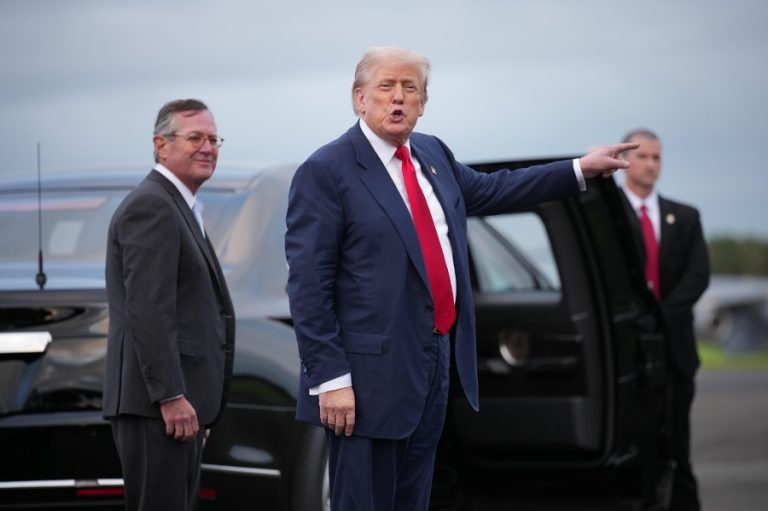
This statement was widely interpreted as a final warning to Iran’s Supreme Leader Ali Khamenei and aligns with former President Donald Trump’s previously stated “10–15 day ultimatum.”
Vance added, “I think we all prefer a diplomatic solution. But it really depends on Iran’s actions and statements.” The president has consistently vowed not to allow Iran to continue enriching uranium—the material needed for nuclear weapons—and warned that the Iranian regime would face severe consequences if it fails to reach an agreement with the U.S.
Vance noted that he does not know whether the president will authorize a strike “to ensure Iran does not obtain nuclear weapons,” or continue pursuing “a diplomatic resolution.”

Geneva talks: seeking peace within firing range
Amid looming conflict, diplomatic efforts continue under intense pressure. Omani Foreign Minister Sayyid Badr Albusaidi confirmed that an indirect meeting on Thursday, Feb. 26, between Trump senior adviser Jared Kushner and Iranian Foreign Minister Ali Bagheri Araghchi achieved “significant progress.” Both sides are attempting to finalize a framework linking nuclear limitations with sanctions relief. U.S. Secretary of State Marco Rubio insisted on including Iran’s ballistic missile program in the talks, contrary to Iran’s position of discussing only nuclear issues.
Analysts noted that the U.S. evacuation orders and carrier deployment are intended to exert maximum pressure on Tehran: either fully compromise in the next technical round of Vienna talks or face war.
On Feb. 27, Omani Foreign Minister Badr Albusaidi, who plays a key mediating role, will travel to Washington to brief Vance on the latest efforts to reach an agreement.
State Department spokesperson Tommy Pigott said in a statement that Rubio will visit Israel from March 2–3, 2026.
“The secretary will discuss a range of regional priorities, including Iran, Lebanon, and the implementation of Trump’s 20-point Gaza peace plan.” Rubio’s visit comes amid widespread speculation over when the U.S. might strike Iran.
By Tian Jingxin