By Yin Hua, Vision Times
As geopolitical tensions intensify, U.S. military action against Iran has sent ripples through global energy markets, while China prepares to open its annual “Two Sessions” political meetings in Beijing. The gatherings come at a pivotal moment, marking the first year of China’s upcoming 15th Five-Year Plan, which will shape the country’s economic direction over the next half-decade.
Analysts say the Iran crisis, intensifying U.S.–China rivalry in artificial intelligence, and questions surrounding China’s domestic economic policy are now intersecting in ways that could reshape both global markets and Beijing’s strategic priorities.
RELATED: China’s ‘Two Sessions’ Open Amid Unusual Absences as Internal Tensions Surface
Iran crisis and the global oil market
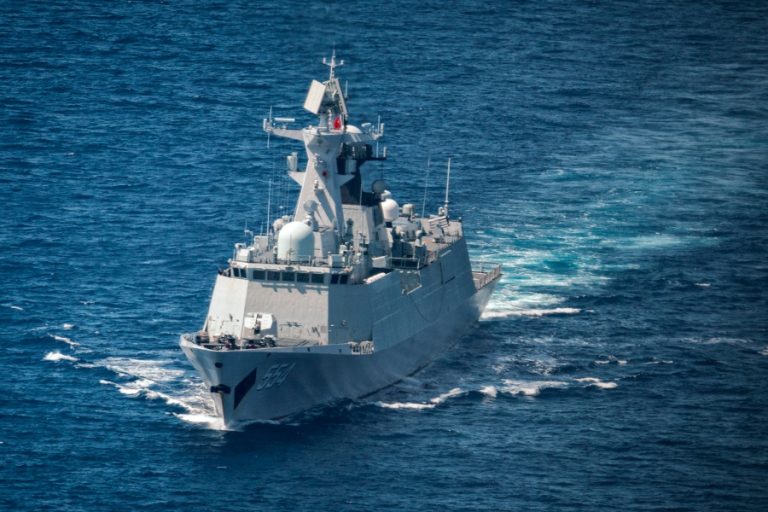
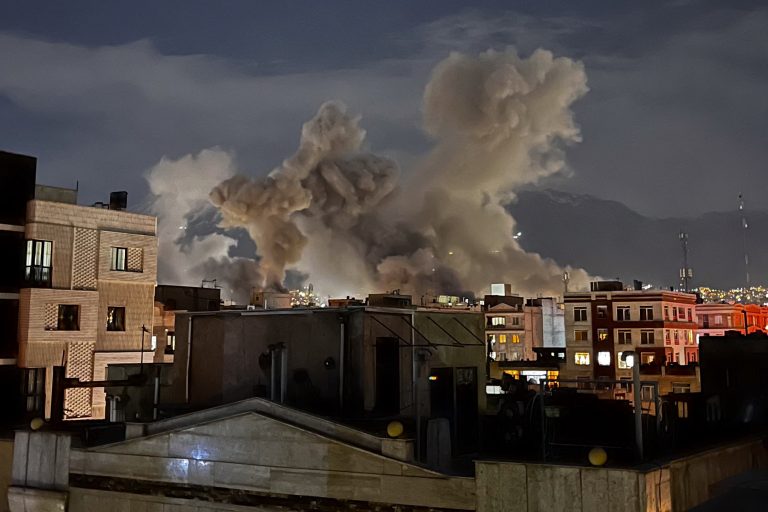
Following a U.S. military strike on Iran on Feb. 28, tensions escalated rapidly after Tehran announced a blockade of the Strait of Hormuz, one of the world’s most critical energy shipping routes. Brent crude briefly surged above $80 per barrel as markets reacted to the risk of supply disruption.
Success
You are now signed up for our newsletter
Success
Check your email to complete sign up
According to analysts from Morgan Stanley’s macro strategy team speaking at a private briefing in early March, the immediate shock to global oil supply may remain manageable. The Strait of Hormuz handles roughly 20 percent of global oil shipments, but satellite imagery and shipping data suggest that traffic through the strait has slowed rather than stopped completely.
RELATED: Trump Hints at Ground Troops, Promises ‘Large-Scale’ Attacks on Iran
The analysts estimate that temporary disruptions could reduce global oil supply by 2–3 million barrels per day, primarily due to delays and reduced shipping efficiency rather than a full shutdown of the route. War-risk insurance premiums for tankers have reportedly surged by about 50 percent, a pattern Morgan Stanley strategist Martin compared to the Iran–Iraq War period, when attacks disrupted shipping but did not completely halt traffic.
If the conflict remains limited to several weeks, Morgan Stanley estimates that the oil price premium could remain around $7 per barrel, avoiding a full-scale global energy crisis.
Major producers such as Saudi Arabia and the United Arab Emirates have already signaled willingness to increase output to offset supply disruptions. China, the world’s largest oil importer, remains heavily dependent on the strait for roughly one-third of its crude imports, but analysts note that Beijing has built significant reserves during recent periods of lower oil prices.
Higher oil prices could still influence global inflation. Morgan Stanley estimates that every $10 increase in oil prices could raise global consumer inflation by 0.3 to 0.7 percentage points while trimming global GDP growth by 0.1 to 0.2 percentage points.
The impact, however, is expected to vary across Asia. Countries such as Indonesia, Malaysia, and Thailand may see inflation increase by 0.7–0.9 percentage points, while China, Japan, and Hong Kong may face more limited effects.
Political commentator Cai Shenkun argues the crisis also reflects intensifying U.S.–China strategic competition. In his view, Washington’s actions are not solely directed at Iran but also aim to limit China’s influence in the Middle East. He cautioned that China must remain vigilant about energy security risks and noted that defense spending continues to grow faster than GDP, signaling a broader regional power competition.
AI becomes a battleground
Morgan Stanley analysts also highlighted the growing strategic importance of artificial intelligence, describing AI competition as “a central arena of great-power rivalry.”
According to the briefing, Washington has increasingly framed AI development as part of a broader geopolitical strategy. At an AI summit in India, U.S. officials reportedly promoted a “technology alliance” model designed to integrate partners into the American AI ecosystem while shaping global supply chains and data governance standards. Some analysts argue this strategy resembles the role the U.S. dollar system played in the post-World War II order.
China, however, may have a structural advantage in electricity supply and large-scale infrastructure, which could support AI computing expansion. Analysts noted that Chinese firms may attempt to export AI computing power abroad through “token”-based cloud services, though concerns about data security and digital sovereignty remain a major barrier for international partners.
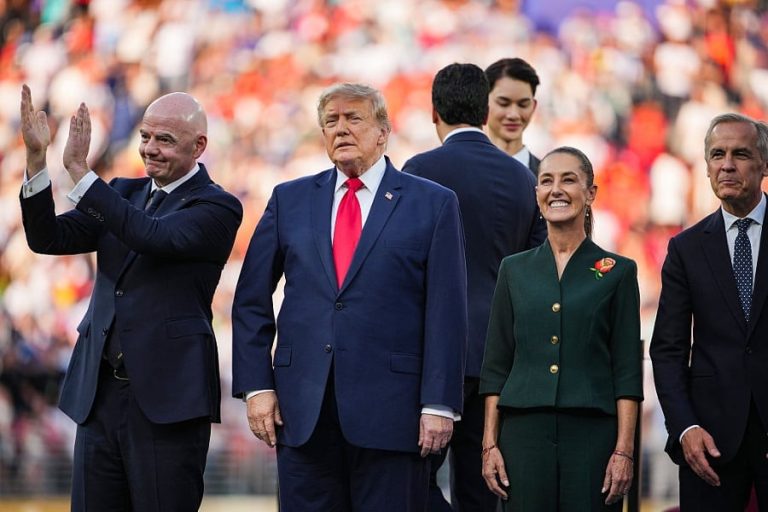
Cai Shenkun said the intensifying AI race also highlights growing pressure on China to strengthen technological self-reliance. He suggested that upcoming U.S.–China diplomatic engagement, potentially including a visit to Beijing by U.S. President Donald Trump, could influence the future trajectory of technological competition.
While some Chinese commentators argue that China is narrowing the technological gap with the United States, recent conflicts in Ukraine and the Middle East have reminded analysts that American military AI capabilities remain highly advanced.
China’s economic outlook
Against this geopolitical backdrop, China’s annual National People’s Congress (NPC) and Chinese People’s Political Consultative Conference (CPPCC) meetings will open this week in Beijing. Premier Li Qiang is scheduled to deliver the government work report on March 5, outlining the country’s economic targets and policy priorities for the year ahead.
Morgan Stanley analysts expect China to maintain a GDP growth target of around 5 percent, with fiscal policy continuing to focus on infrastructure investment, technological development, and industrial modernization.
Government stimulus measures targeting consumer demand are expected to total roughly 600 billion yuan, including trade-in programs for household goods, childcare subsidies, and support for early childhood education.
Real-estate policy is likely to remain cautiously supportive, with some cities experimenting with mortgage subsidies or relaxed housing restrictions. If economic growth slows further in the second quarter, analysts say Beijing may introduce additional quasi-fiscal measures later in the year.
The upcoming 15th Five-Year Plan, expected to be released around March 12, is unlikely to set a fixed five-year growth target but may include measurable goals related to urbanization, technological self-reliance, the digital economy, and green development.
Economist Zhen Ning noted that China’s property downturn may take at least two more years to stabilize. Deflationary pressures have eased slightly but remain present, and rising upstream commodity prices have not fully translated into stronger demand across the broader economy. Holiday travel during the Lunar New Year rose nearly 6 percent year-on-year, but average consumer spending per person declined slightly, suggesting continued caution among Chinese households.
Cai Shenkun offered a more pessimistic outlook, arguing that China’s growth target may ultimately be lowered as several provinces have already reduced their local projections. He also called for a shift in fiscal policy toward stronger consumer stimulus, potentially including large-scale consumption vouchers or direct cash payments, to revive domestic demand.
Hong Kong in disarray
Morgan Stanley analysts recently raised their forecasts for Hong Kong’s GDP growth to 3.3 percent in 2026 and 3.1 percent in 2027, citing a gradual recovery in the property market and the impact of talent-attraction programs.
Yet the recovery remains uneven. Finance and real estate sectors are improving, while retail, hospitality, and entry-level service jobs face pressure from cross-border e-commerce and the increasing adoption of AI technologies. Hong Kong’s unemployment rate has risen to around 4 percent, its highest level in nearly four years.
Cai Shenkun argued that long-term growth will depend on workforce reskilling and deeper integration with the Greater Bay Area, as the city navigates the challenges posed by technological disruption and shifting regional dynamics.