
By Luke, Vision Times
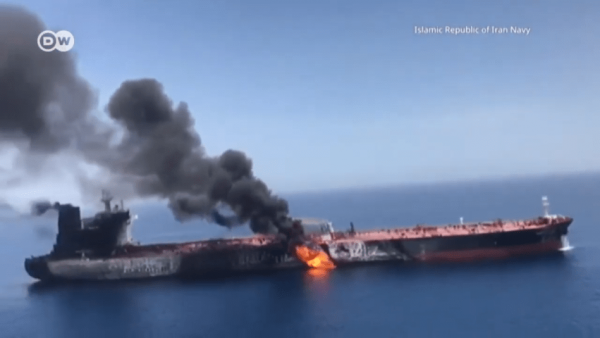
A string of recent Iranian maritime attacks on oil tankers near Iraq’s southern port of Basra are raising new concerns about escalating tensions in the Persian Gulf and their potential impact on global energy supplies. On March 12, two oil tankers and four vessels caught fire after being struck by small explosive-laden boats believed to have been launched by Iranian forces. The attack occurred near Iraq’s key oil export hub in Basra and marks a significant escalation in maritime confrontations across the Gulf.
Video footage verified by Reuters and filmed from the shoreline shows several ships engulfed in massive orange fireballs, with flames lighting up the night sky. Iraqi authorities said the attacking vessels originated from Iran, and at least one crew member was reportedly killed in the incident.
Attacks disrupt Gulf shipping routes
The Basra tanker attack followed a series of earlier strikes on commercial vessels in the region. Within hours before the tanker incident, three merchant ships operating in Gulf waters had already been targeted. A Thai bulk carrier was struck and set ablaze after reportedly “failing to comply with orders,” according to statements released by the Islamic Revolutionary Guard Corps (IRGC), which claimed responsibility for the attack.
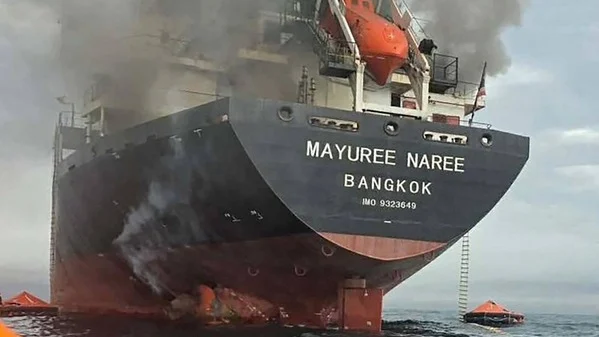
At the same time, a container ship sailing near the waters of the United Arab Emirates reported being hit by an unidentified projectile. Maritime security agencies also indicated that additional commercial vessels were attacked or damaged near Dubai and in waters close to Oman.
Success
You are now signed up for our newsletter
Success
Check your email to complete sign up
The two tankers struck near Basra were the U.S.-owned Safesea Vishnu and the Malta-flagged Zefyros, both loaded with Iraqi fuel oil at the time of the attack. The fires quickly engulfed the vessels, sending thick black smoke into the night sky. Iraqi port authorities immediately launched evacuation operations to remove crew members from the ships.
Farhan al-Fartousi, head of Iraq’s port administration, confirmed the tankers were attacked within Iraqi territorial waters and subsequently caught fire. Following the incident, Iraq temporarily halted operations at all of its oil ports, though commercial shipping terminals remain open.
Global energy markets on edge
The maritime attacks come roughly two weeks after airstrikes by the United States and Israel against Iranian targets. According to Reuters estimates, the ongoing conflict has already resulted in roughly 2,000 deaths. The International Energy Agency has warned the war has triggered “the largest global energy supply disruption in history.”
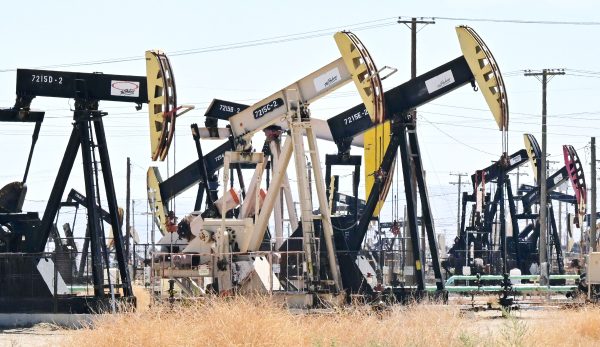
Iran previously declared that if military strikes by the United States and Israel continue, it will block oil shipments through the Strait of Hormuz, one of the world’s most critical energy chokepoints. Approximately 20 percent of global oil trade typically passes through the narrow waterway.
Following the latest maritime attacks, Brent crude prices surged again above $100 per barrel, reversing a temporary dip that had followed comments from U.S. President Donald Trump suggesting the conflict could end soon. Energy analysts warn that even large-scale releases from strategic petroleum reserves may not be enough to stabilize markets quickly.
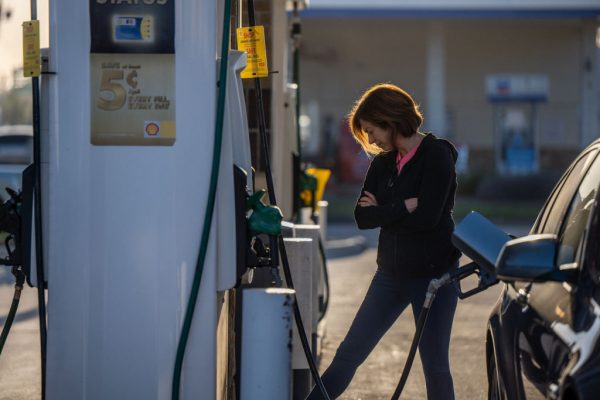
Meanwhile, the United States and allied countries recently announced plans to release 400 million barrels of strategic oil reserves, nearly half of which would come from U.S. stockpiles. The coordinated move represents the largest such intervention in history. However, analysts note that this amount equals roughly three weeks of oil shipments through the Strait of Hormuz.
Analysts at the Dutch financial institution ING Group said oil prices are unlikely to decline significantly unless shipping through the strait returns to normal operations. Otherwise, they warned, “market highs may still lie ahead.”
Iran’s drone capabilities
Recent reports indicate Iran has been actively demonstrating its maritime strike capabilities. According to the Daily Mail, Iranian military exercises have highlighted fleets of unmanned attack boats, anti-ship missiles, and naval mines designed to target shipping lanes.
Iranian promotional videos show large numbers of small attack craft launching drones toward passing vessels. Senior IRGC commander Alireza Fadavi claimed Iran possesses underwater missiles capable of speeds reaching 100 meters per second, and suggested such weapons could be deployed in the coming days.
Iranian military spokesman Ebrahim Zolfaqari also warned the international community to prepare for oil prices reaching $200 per barrel, arguing that global prices ultimately depend on regional security conditions. Zolfaqari further warned that any ships without authorization would be swiftly eradicated.
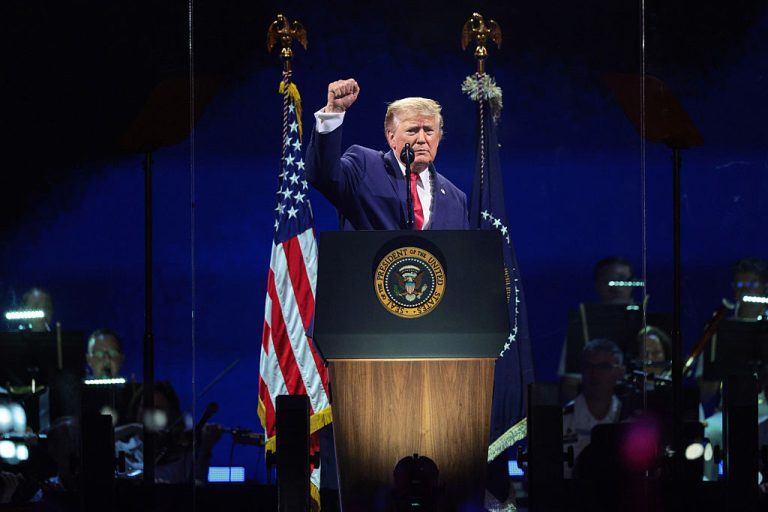
Despite the rising maritime attacks, U.S. President Donald Trump has repeatedly attempted to reassure energy markets. Speaking at an event resembling a campaign rally in Hebron, Kentucky, Trump declared: “You don’t want to declare victory too early, but we won. The war was over in the first hour.” He also stated the United States had “almost destroyed Iran,” but added that Washington must still “finish the job,” suggesting further military action could follow.
However, according to Reuters, U.S. intelligence assessments indicate Iran’s leadership structure remains largely intact and shows no immediate signs of collapse. Inside Iran, Tehran resident Majan told Reuters that security forces have significantly increased their presence across the capital. “Everywhere there are security personnel — more than before,” Majan said. “People are afraid to go out much, but supermarkets are still open.”
Prices expected to spike
Analysts say Iran’s recent actions suggest a broader strategic objective: using disruptions to global energy supplies as leverage to force a ceasefire. Iranian officials have indicated that Middle Eastern oil exports could continue to face interruptions as long as military strikes persist.
At the same time, related incidents have been reported across the Gulf region. Fires broke out in oil storage facilities on Muharraq Island in Bahrain, while missile or drone strikes were reported near Dubai. Kuwait’s airport also reported damage to facilities following a suspected drone attack.
As the conflict enters its third week, global energy markets, maritime shipping routes, and regional security conditions face increasing uncertainty.