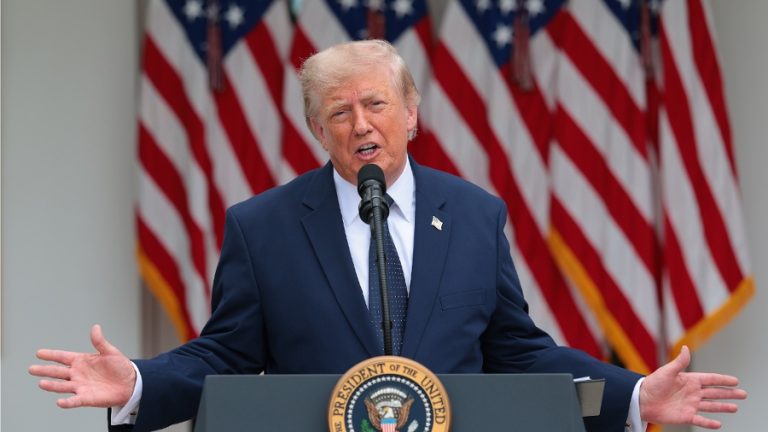
The Hill reported on March 16 that U.S. President Trump’s allies plan to launch a lengthy debate in the Senate this week, aiming to push forward the Safeguard American Voter Eligibility Act (H.R.22, also called the “Save America Act”). This is putting Senate Majority Leader John Thune under significant political pressure, as both Trump himself and MAGA supporters are demanding that debate on election reform be extended as long as possible.
Republican senators are keeping specific strategies under wraps, but a long, potentially late-night debate in the Senate is widely expected this week. Republicans hope to use the debate to build political momentum for the bill.
A Harvard CAPS/Harris survey of 1,999 registered voters found that about 71 percent support the “Save America Act,” a figure that Republicans are using as a key talking point.
One Republican strategist supporting a head-to-head confrontation with Democrats said that one goal of the debate is to politically “drain” the Democrats, forcing them to publicly defend their opposition. “Will this become a head-to-head showdown? How fiercely will Thune fight this battle?” the strategist asked.
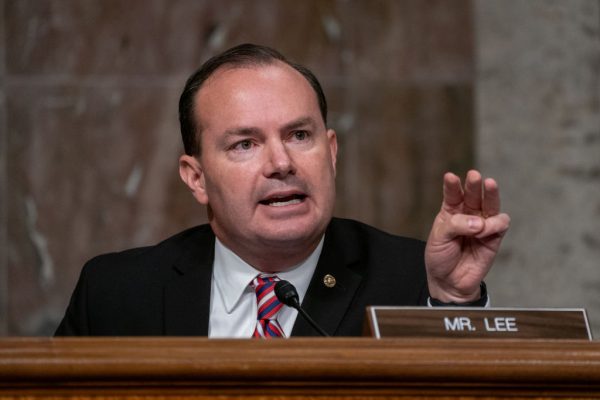
Republicans aim to replicate the 1964 legislative showdown
Senator Mike Lee of Utah, a key proponent of the bill, said Trump wants Republicans in the Senate to “go all out” and even envisions a historic debate similar to the 1964 fight over the Civil Rights Act.
Success
You are now signed up for our newsletter
Success
Check your email to complete sign up
At that time, the Senate debated the bill for 60 days, ultimately overcoming procedural hurdles to pass it. Lee believes that extended debate could shift some senators’ positions.
He explained that when a bill gains growing public support during debate, it often prompts some lawmakers to reassess their stance and be more willing to negotiate at the final stage.
Lee also revealed that Trump is closely monitoring the Senate debate this week. Trump has previously pressured Thune, making it clear that he will not sign other legislation until the “Save America Act” reaches the White House.
Senator Katie Britt of Alabama said Republicans are still discussing procedural strategies but are prepared for a prolonged fight. When asked whether they would occupy the Senate floor for extended periods, she replied, “Absolutely.”
Senate procedural disputes: whether to force Democrats to continuously block
By Senate rules, most bills need 60 votes to begin debate. Thune plans to use a procedural maneuver to treat the measure as a House-passed bill message, allowing it to enter debate with a simple majority.
This approach is seen as a concession to conservative colleagues because, with strong Democratic opposition, the bill is unlikely to reach 60 votes for final passage.
However, Thune rejected calls from some Republicans to force Democrats into a “talking filibuster,” where Democrats must continuously speak, debate, and propose amendments to delay the bill. Thune acknowledged that Republicans currently lack the votes to pursue that strategy.
Some Republican senators worry that forcing such a procedural fight could allow Democrats to propose unlimited amendments, forcing difficult votes on sensitive topics like health subsidies and Medicaid cuts.
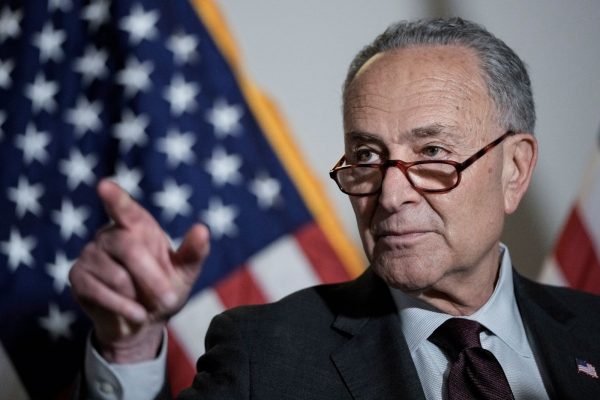
Senate Democratic Leader Chuck Schumer said Democrats have carefully prepared for Republican procedural strategies.
House Republicans issue an ultimatum
Meanwhile, House Republicans are putting pressure on the Senate.
According to Newsweek on March 14, Florida Republican Rep. Anna Paulina Luna warned on Fox News that if the Senate does not debate and vote on the “Save America Act,” the House may block other Senate legislation.
Texas Republican Rep. Brandon Gill also stated on social media that he will vote against all Senate bills until the “Save America Act” passes, except for DHS appropriations.
Luna even threatened that if the Senate does not advance the bill, the House may attach it to other key legislation, such as the Foreign Intelligence Surveillance Act (FISA). She said: “If the Senate does not act, they won’t pass any bills.”
Bill’s prospects remain uncertain
The “Save America Act” has passed the House 220-208. The bill would require U.S. citizens to provide proof of citizenship when registering to vote in federal elections, changing the voter registration system established under the National Voter Registration Act.
Supporters argue it will strengthen election integrity, while Democrats and voting rights groups warn that the new requirements could increase administrative burdens and disenfranchise some voters.
Hawaii Democratic Senator Mazie Hirono criticized the bill, saying it would make voter registration more difficult.
Despite ongoing controversy, Trump told a House Republican meeting that public support for the bill is very strong and said: “If this bill passes, Republicans will win long-term in future elections.”
Thune has indicated that the Senate will officially discuss the “Save America Act” this week, setting the stage for an intense political battle over the U.S. election system.