Passenger rail and air links between China and North Korea are set to resume for the first time in years, marking a gradual reopening of cross-border travel that had been suspended since the novel coronavirus pandemic.
A passenger train connecting Beijing and Pyongyang departed from Beijing Station on March 12, restoring a route that had been halted since 2020. According to Chinese railway authorities, the service — known as Train K27 — takes approximately 24 hours and 41 minutes to complete the journey.
The train travels through the northeastern Chinese border city of Dandong before crossing the Yalu River into North Korea. It is currently scheduled to operate four times a week in both directions, though tickets are limited to travelers holding business visas.
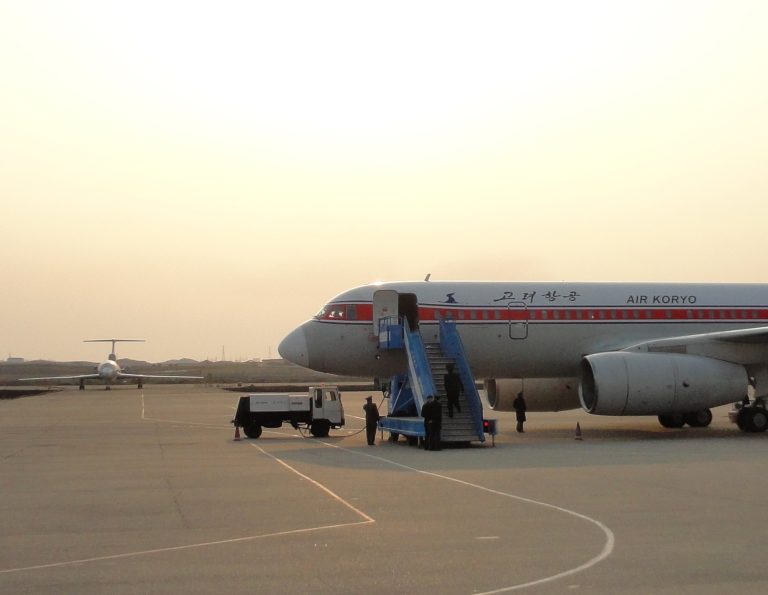
In addition to rail service, Air China is expected to resume weekly flights between Beijing and Pyongyang beginning March 30, further restoring transportation links between the two countries.
PREVIOUS REPORTING
- North Korean Workers, Diplomat Die in Chinese Pandemic: Insiders (January 2023)
- North Korea Faces Crisis After Chinese Food Imports Drop by 90 Percent (June 2021)
Cross-border travel between China and North Korea was largely suspended in early 2020 as Pyongyang imposed strict border controls to prevent the spread of COVID-19. North Korea maintained some of the world’s most restrictive pandemic measures, keeping its borders closed far longer than most countries.
Success
You are now signed up for our newsletter
Success
Check your email to complete sign up
China’s Foreign Ministry signaled support for the resumption of services. Spokesperson Guo Jiakun said at a March 10 press briefing that China and North Korea are “friendly neighbors,” adding that maintaining regular train operations carries “significant importance.”
The move reflects a broader normalization of ties following years of disruption caused by the pandemic.
“Relations between China and North Korea had cooled in recent years, particularly during the early stages of COVID-19 when Pyongyang sealed its borders,” Mark Cao, a U.S.-based military technology analyst, told overseas Chinese outlet The Epoch Times. “The reopening of transport links suggests both sides are now seeking to stabilize and improve ties.”
North Korea’s border closure during the pandemic disrupted trade and exchanges with China, its largest economic partner. The restrictions contributed to shortages of goods and reduced economic activity within the isolated country.
The resumption of travel is expected to have economic implications, particularly for North Korea. According to Institute for National Defense and Security Research research fellow Shen Ming-shih, reopening transport routes could facilitate increased flows of goods and supplies.
“This opening facilitates the influx of Chinese products — specifically affordable goods — into North Korea,” Shen told The Epoch Times. “It can help address shortages and weakened purchasing power caused by inflation.”