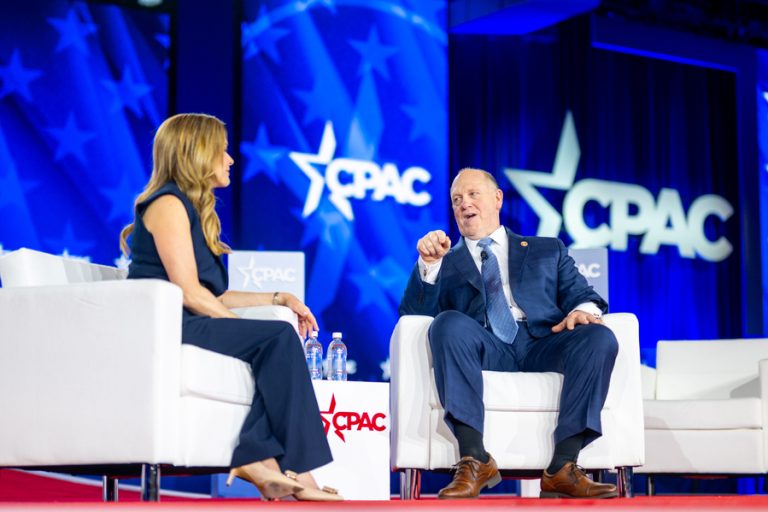
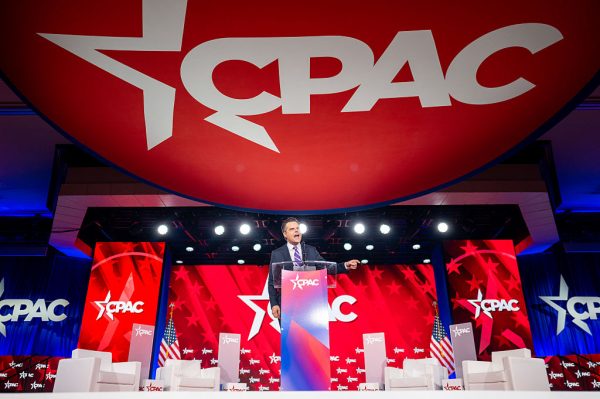
As the Conservative Political Action Conference (CPAC) in Dallas drew to a close, an unusual phenomenon attracted attention: U.S. President Donald Trump did not attend this annual event for the first time in ten years.
According to National Public Radio (NPR), in previous years Trump typically delivered a finale speech resembling a campaign rally, but this year that segment was canceled entirely.
Despite his absence, the conference atmosphere remained highly centered on Trump. Whether in policy debates or faction mobilization, participants generally assumed he remains the core unifying force of the Republican Party. Compared with last year, when his return to the White House energized supporters, this year’s conference felt more complex and cautious.
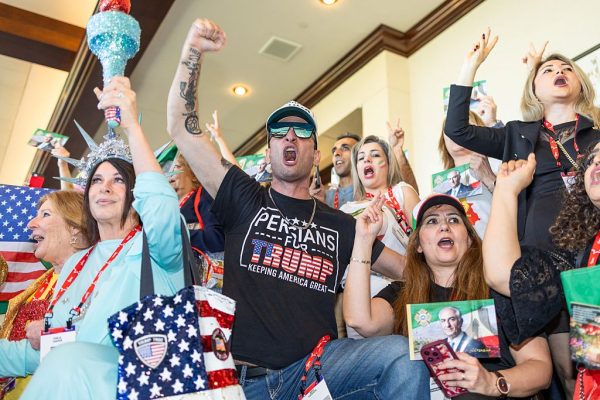
Iran issue divides the camp: support and doubt intertwined
The Iran issue became the most controversial focus of this year’s conference. With U.S. military actions against Iran having lasted a full month, the conflict stirred clear divisions within the Republican Party.
Some supporters still have confidence in Trump, believing his decisions surpass those of traditional politicians; yet some grassroots voters expressed disappointment, arguing it contradicts the promise to “avoid new wars.”
Success
You are now signed up for our newsletter
Success
Check your email to complete sign up
Former Florida Congressman Matt Gaetz warned at the conference that a ground war against Iran would drive up oil and food prices and could “create more enemies than it eliminates.” Trump ally Steve Bannon noted that although the decision rests with the president, the public still needs to be persuaded, especially in the context of potentially deploying ground forces.
Facing external pressure and internal fractures, several conservative figures repeatedly stressed the importance of unity.
According to the Associated Press, CPAC senior leader Mercedes Schlapp warned that opponents are trying to exploit divisions to weaken the conservative camp. Evangelical leader Franklin Graham urged restraint and respect when discussing disagreements.
Conservative commentator Benny Johnson further emphasized that internal differences should not be seen as hostility, stating, “The real opponents are Marxists,” and reminded the camp to prepare for the upcoming midterm elections.
However, CPAC chairman Matt Schlapp also pointed out that moderate disagreement is one of the reasons the alliance remains dynamic.
Immigration emerges as the greatest consensus, midterm excitement wanes
Compared with the controversy over Iran, immigration policy became one of the most widely agreed-upon topics at the conference, receiving the most enthusiastic applause.
Former border enforcement officer Gregory Bovino made an appearance, drawing attention; meanwhile, Tom Homan, responsible for implementing border policy, clearly stated that efforts to deport illegal immigrants would continue, “without backing down due to outside criticism.”
At the same time, CPAC’s election-mobilization function this year was somewhat diminished. Although North Carolina Senate candidate Michael Watley warned that if Democrats regain control of Congress, it would block Trump’s agenda, overall, candidate participation and campaign atmosphere were weaker than in previous years.
Notably, this year’s conference lineup also saw changes. High-profile figures such as Vice President J.D. Vance, media personalities Tucker Carlson and Megyn Kelly were absent, replaced by more emerging conservative voices and international guests, including former UK Prime Minister Liz Truss.
Overall, against the backdrop of Trump’s rare absence, this CPAC demonstrated both the continuation of his personal influence and the Republican Party’s potential fractures on key issues. As the 2028 election cycle gradually approaches, a practical question emerges: when Trump is not present, what challenges will the cohesion of this political alliance face?