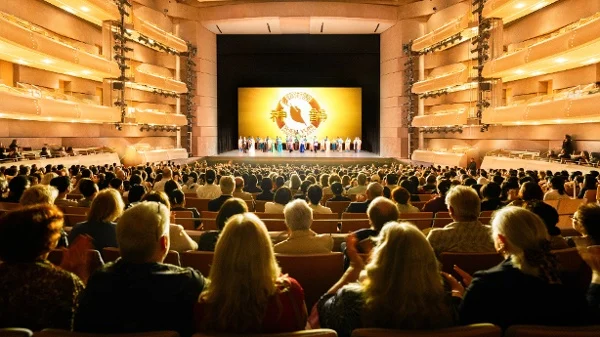
On March 29, the Four Seasons Centre for the Performing Arts in downtown Toronto received a bomb threat just hours before a scheduled performance by Shen Yun Performing Arts. Out of an abundance of caution, organizers canceled the 2 p.m. show. Police later determined the threat “appeared not to be credible,” and no explosives were found.
Still, the incident has heightened concerns about public safety, artistic freedom, and the broader issue of foreign interference on Canadian soil, particularly from the Chinese Communist Party (CCP).
RELATED: Shen Yun Performance in Toronto Evacuated Due to CCP-Linked Bomb Threat
A pattern of disruption
The cancellation disappointed more than a thousand ticket holders. Organizers have offered exchanges, allowing affected attendees to reschedule for one of the remaining performances that week. This marks the second such incident during Shen Yun’s 2026 Canada tour. On March 15, the Living Arts Centre also received a bomb threat. That threat was later deemed false, and the performance proceeded to a full house.
According to organizers, these threats, which are often sent via email, are designed to create panic, deter audiences, and suppress a platform dedicated to showcasing traditional Chinese culture.
Success
You are now signed up for our newsletter
Success
Check your email to complete sign up
One attendee, speaking to the media, described experiencing both incidents with their family as “deeply frustrating.” They said they received materials about the documentary “Unbroken: The Untold Story of Shen Yun,” which explores alleged transnational repression, and planned to learn more.
‘We must not tolerate suppression of art’
Canadian Member of Parliament Garnett Genuis strongly condemned the threats, calling them an attack on fundamental freedoms. “This threat is very concerning. It directly targets artistic freedom,” Genuis said. “We know Shen Yun has been targeted in various places and ways. We must protect Canada’s freedoms. The federal government has a responsibility to act whenever foreign interference occurs.”
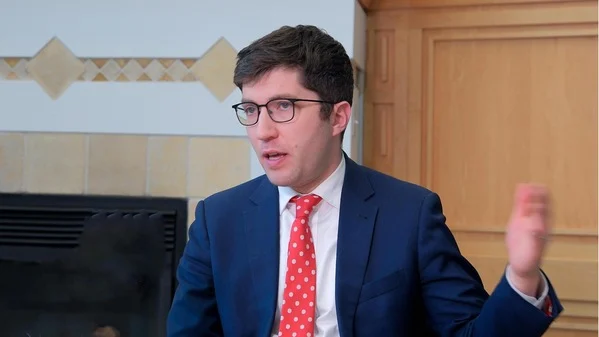
Genuis, who has attended Shen Yun performances in both Edmonton and Toronto, praised the company’s artistic impact. “I very much enjoyed Shen Yun. It is beautiful art, and like many great works, it expresses ideas and values. Art in every culture provokes thought and challenges existing power structures. Shen Yun does exactly that. It raises questions and sparks discussion. We must not tolerate suppression of art.”
When asked whether such threats constitute foreign interference, transnational repression, or terrorism under Canadian law, Genuis emphasized that a full investigation is necessary. However, he noted that Shen Yun’s message has made it a recurring target. “We know Shen Yun is regularly targeted, and the reasons are clear. Canadians should be highly alert. These circumstances demand a strong and decisive response from leadership.”
Genuis also highlighted the role of the Royal Canadian Mounted Police and the Canadian Security Intelligence Service in addressing such threats. “The key is ensuring these incidents do not lead to canceled performances in the future,” he said. “We cannot allow threats, intimidation, or interference to silence artistic expression.”
He added that such efforts extend beyond bomb threats to include disinformation campaigns and coordinated pressure, which he described as attempts by external actors to influence Canada’s cultural landscape. “Canada must remain a free country, not one shaped by intimidation,” he said.
Government response under scrutiny
Genuis criticized the federal government’s handling of foreign interference, arguing that current measures fall short. “We pushed for foreign interference legislation, but even after a year and a half, there are major gaps in implementation,” he said. “On China-related issues, the government has stepped back. Even today, the Prime Minister is reluctant to clearly acknowledge forced labor in certain regions. That is deeply concerning.”
Genuis also emphasized Shen Yun’s role in separating Chinese cultural heritage from the political system of the Chinese Communist Party. “This is a powerful presentation, combining beauty with ideas,” he said. “It shows that the Chinese Communist Party is not China. China has a rich history and culture that the Party does not represent.”
He praised the performers’ courage and resilience at the hands of repeated intimidation threats. “I commend all the artists who bring this performance to Canada despite significant pressure. We must support them and protect the freedoms of both artists and audiences.”
Concerns over foreign interference
The incidents are not isolated. Shen Yun has faced disruptions globally, including diplomatic pressure, media attacks, and security threats. Experts say such bomb threats, whether credible or not, aim to create a chilling effect: discouraging venues from hosting performances and audiences from attending.
Canada has long prided itself on protecting freedom of expression and artistic liberty. Yet, growing concerns over foreign interference, particularly between 2024 and 2025, have prompted legislative responses, though critics argue enforcement remains insufficient. Analysts warn that these tactics challenge not only cultural exchange but also national sovereignty.
As Genuis and others argue, addressing this issue will require stronger leadership, coordinated intelligence efforts, and sustained public support for affected organizations by ensuring Canadians can continue to freely engage with cultural events like Shen Yun without fear or intimidation.