A Nebraska state lawmaker is calling for stronger legislation, criminal investigations, and prosecutions in response to what he says is an escalating campaign of transnational repression aimed at Shen Yun Performing Arts and affiliated communities in the U.S. and abroad.
Founded in 2006, Shen Yun is the world’s premier classical Chinese dance and music company, showcasing the beauty and splendor of traditional Chinese culture and art prior to the ravages of communism. The New York-based company currently boasts eight equally sized troupes that tour and perform across the world simultaneously, putting on a brand new production each year.
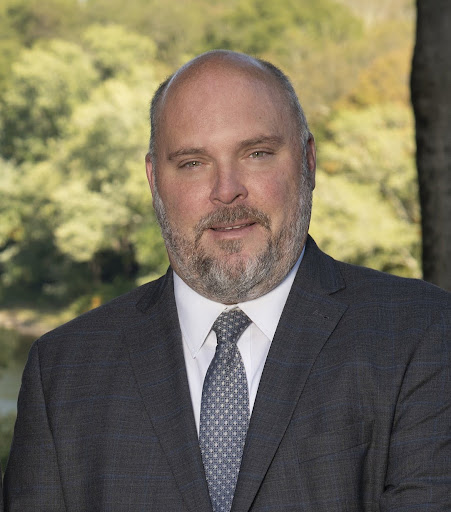
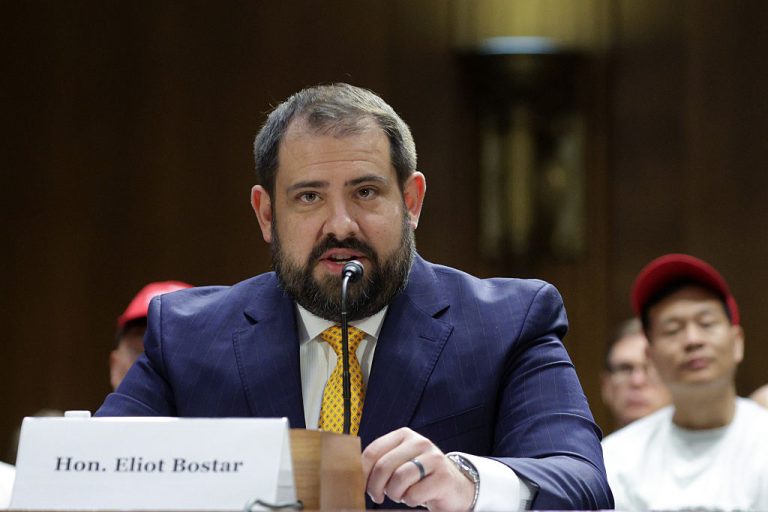
Nebraska State Senator Eliot Bostar told The Epoch Times on June 9 that the U.S. must take seriously allegations that individuals linked to the Chinese Communist Party (CCP) have sought to disrupt Shen Yun performances via coordinated attacks of threats and intimidation. “This is very serious,” Bostar said. “These incidents are clearly organized and coordinated criminal activity.”
RELATED: Bomb Threats Halt Shen Yun Shows in Canada Despite Police Clearance
An escalating campaign of repression
His remarks come after the Falun Dafa Information Center released a report on May 7 titled: One Pro-Beijing Email Account, 114 Days: An Escalating Threat Campaign Against Falun Gong and Shen Yun. According to the report, a Google email account allegedly linked to pro-Beijing actors sent at least 28 malicious emails between Jan. 1 and April 24, 2026, targeting venues and organizations in six countries across three continents.
Success
You are now signed up for our newsletter
Success
Check your email to complete sign up
The report states that the primary objective of the emails was to pressure venues into canceling Shen Yun performances through bomb threats and other forms of intimidation.
In recent months, attention surrounding the performing arts troupe has intensified following the release of the documentary UNBROKEN: The Untold Story of Shen Yun, which chronicles the pressures Shen Yun performers have faced amid what they describe as a sustained campaign of harassment and interference linked to the Chinese regime.
Many of Shen Yun’s performers and staff are practitioners of Falun Gong, a traditional Chinese spiritual discipline also known as Falun Dafa. The faith was immensely popular in China prior to being banned and subject to severe repression by the Chinese Communist Party (CCP) starting in July 1999. Because of the persecution, Shen Yun is not allowed to perform in mainland China.
Calls for stronger legal protections
Bostar argued that such actions extend beyond attacks on a performing arts organization and instead represent a challenge to American sovereignty and constitutional protections. “The Chinese Communist Party believing that attacking Americans is acceptable, even if those people originally came from China, is unacceptable,” he said. “We need to respond.”
Bostar said the U.S. government should pursue legislative remedies to safeguard those targeted by foreign intimidation. “We need legislation. We need laws to protect them,” he said, adding, “If Chinese people, members of the diaspora, residents, students, performers, or anyone living in Nebraska are being targeted by the CCP, we need to do everything we can to protect them.”
According to the Falun Dafa Information Center’s incident-tracking database, 279 cases related to alleged transnational repression targeting Falun Gong practitioners and Shen Yun were documented between March 2024 and April 30, 2026. The incidents reportedly include bomb threats, arson threats, death threats, and even sexual threats.
Bostar called for a thorough investigation into those responsible. “We need to investigate these threats fully and prosecute those who are responsible,” he said.
Ongoing legislation
Several U.S. states, including Texas, Nebraska, Arizona, Kansas, and Tennessee, have already enacted legislation aimed at countering transnational repression. Under Nebraska’s anti-transnational repression law, Bostar noted, individuals acting on behalf of foreign governments who threaten or harass people in an effort to disrupt performances could face criminal penalties and enhanced sentencing provisions.
While states have begun taking action, Bostar said much more remains to be done at the federal level. “The federal government needs to do more in responding to transnational repression,” he said, citing stronger enforcement of the Foreign Agents Registration Act (FARA), improved protection of critical infrastructure, and greater efforts to counter foreign influence operations.
“There are too many gaps and too many problems, including a lack of transparency,” he added. “We still have a lot of work to do.”
At the national level, bipartisan lawmakers introduced the Transnational Repression Policy Act in July 2025 to address growing concerns over foreign governments targeting dissidents, religious communities, and activists abroad. The legislation remains under consideration in Congress.
Bostar also argued that transnational repression should occupy a more prominent place in U.S.-China relations. “We need to continue pressuring the federal government to place these issues at the center of how America deals with China and hold the CCP accountable for its actions,” he said.
‘We need to take this seriously’
His comments echo those of China analyst Sarah Cook of Freedom House, who has argued that confronting transnational repression is both a moral imperative and a strategic necessity. “When Chinese security services violate the rights of American citizens, refugees, and U.S. national security interests in our own backyard,” Cook said, “it sends a signal that America is unable to defend itself.”
The issue extends beyond the U.S. Earlier this year, Toronto’s Four Seasons Centre halted six Shen Yun performances after receiving bomb threats linked to the same email campaign identified in the Falun Dafa Information Center report. Despite police clearance, the shows were cancelled.
Bostar said the international nature of the allegations demands a coordinated response. “This doesn’t just affect the United States,” he said. “It affects many countries around the world. We need to take this much more seriously.”
The G7 has also begun addressing the issue. In June 2025, member nations agreed to develop joint strategies to counter transnational repression targeting overseas dissidents, journalists, human rights advocates, and religious minorities, an acknowledgment that authoritarian influence campaigns are transcending national borders.