Interviews by Teshigawara Eri and Li Yiming
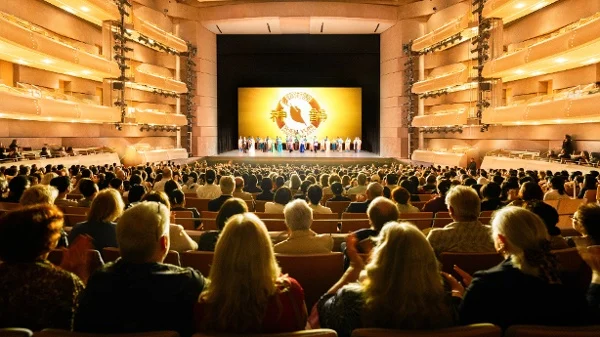
KAMAKURA, Japan — On April 18, Shen Yun Performing Arts presented two performances at the Kamakura Performing Arts Center in Kanagawa Prefecture, drawing warm responses from audiences in the historic city. Against the backdrop of Kamakura’s rich cultural heritage, the performance’s portrayal of traditional Chinese culture left a lasting impression on attendees.
Founded in 2006, Shen Yun is the world’s premier classical Chinese dance and music company, showcasing the beauty and splendor of traditional Chinese culture and art prior to the ravages of communism. The New York-based company currently boasts eight equally sized troupes that tour and perform across the world simultaneously, putting on a brand new production each year.
‘It was breathtaking’
Kiyokawa Hiromi, a luxury gift company owner who attended with a friend, had previously seen a Shen Yun ad on television. But experiencing it live, she told Vision Times, was entirely different. “The impact of a live performance is incomparable to what you see on screen. The dancing was impressive, but the singing reached deeply into my heart.”
- Japanese Officials Praise Shen Yun’s Revival of Chinese Culture, Speak Out Against Communist Sabotage
- Professor and Dance Experts Praise Shen Yun’s ‘Divine Beauty’ in Tokyo, Japan
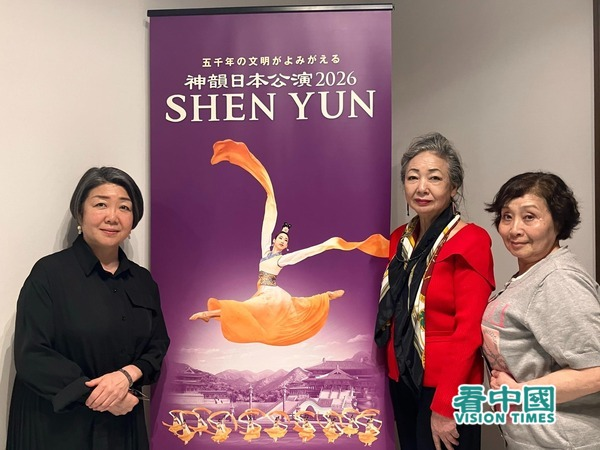
Her companion, Midori Maruko, was also attending for the first time. “I had heard about this performance for a long time but missed it again and again. Today I finally experienced it, and I feel deeply moved,” she said. She was particularly struck by the seamless interaction between performers and the digital backdrop. “It felt as if the dancers were being drawn into the screen, it was breathtaking.”
‘Heavenly principles’ displayed onstage
Success
You are now signed up for our newsletter
Success
Check your email to complete sign up
For Arakawa Yumiko, who works in the fashion industry, the costumes were among the highlights. “Every costume was beautifully colored. When the dancers turned or lifted their sleeves, the fabric seemed to come alive. Watching it, I felt like I wanted to dance along,” she said.
She was especially captivated by the long-sleeve dance sequences, describing their flowing movements as both elegant and unforgettable.
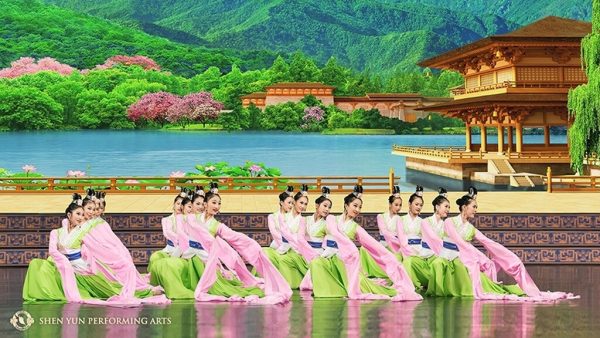
Beyond the visual appeal, she said the performance conveyed deeper messages, such as that of divine creation. “While at work, I often ask myself, ‘what is the meaning of my existence?’ The message on stage entered my heart naturally, my reason for coming here was made clear, as if I had found answers I had been searching for. It felt like I was in communion with the principles of heaven,” she said.
Emotional responses across generations
80-year-old acupuncturist Tani Ryoko attended at the invitation of her daughter, Wakimoto Tokiko. Reflecting on the performance, she said: “The energy from the stage made me feel uplifted.”
Speaking about a scene depicting the persecution of Falun Gong practitioners, she added: “I had read about Falun Gong before, but I didn’t realize the persecution is still ongoing. It is heartbreaking and makes you reflect deeply.”
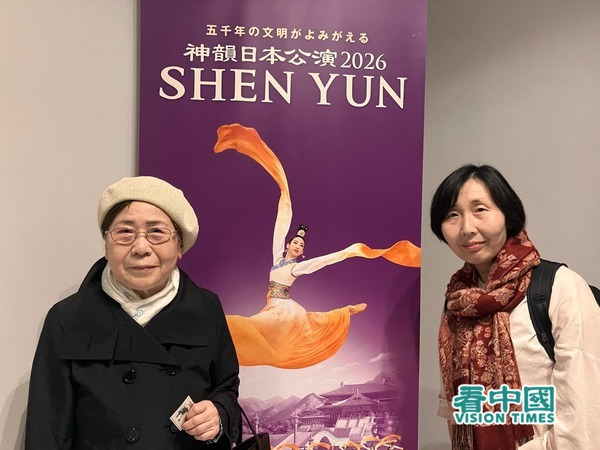
Many of Shen Yun’s performers and staff are practitioners of Falun Gong, a traditional Chinese spiritual discipline also known as Falun Dafa. The faith was immensely popular in China prior to being banned and subject to severe repression by the CCP starting in 1999. Because of the persecution, Shen Yun is not currently able to perform in mainland China.
Ryoko’s daughter, who works in childcare, expressed hope for the future: “The music and dance were refined and touching,” Ms. Wakimoto said. “I sincerely hope that more children can grow up peacefully in a safe environment.”
‘The level of accuracy is remarkable’
The performances attracted attendees from various walks of life. One audience member with years of dance experience praised the precision of the performers: “With dozens of dancers moving in perfect unison, the level of accuracy is remarkable.”
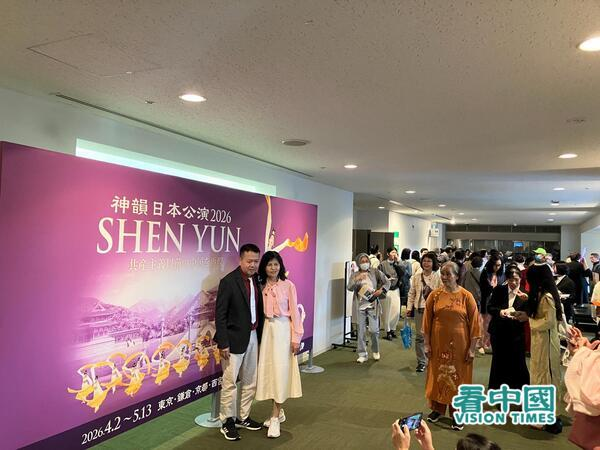
A university student studying Chinese said the performance deepened her understanding of traditional culture and philosophy, noting that the elegance of the sleeve dances left her feeling uplifted.
A couple in their 60s, who first learned about Shen Yun through online videos, reflected on the broader significance of the show. “It’s unfortunate that such a powerful performance cannot be staged in China,” they said, adding, “The show helped us understand aspects of Chinese society we hadn’t known before; it gives you a lot to think about.”
A celebration of culture
Kamakura, founded in the late 12th century, is known as a center of traditional Japanese culture and Buddhist heritage. Like other classical Japanese capitals, Nara’s layout and construction were based on knowledge learned from ancient China. Landmarks such as Tsurugaoka Hachimangu Shrine, the Great Buddha of Kamakura, and the Zen temples of the Kamakura Five Mountains reflect a long-standing spiritual tradition.
In this setting, Shen Yun’s presentation of traditional Chinese culture took on added meaning. Themes of faith, artistry, and freedom resonated with audiences, bridging cultural and historical boundaries.
As the performance concluded, many attendees described the experience as more than entertainment, seeing it instead as a moment of reflection on enduring cultural values and the role of tradition in the modern world.
For more information on Shen Yun Performing Arts, including FAQs and ticketing information, please visit the official website.