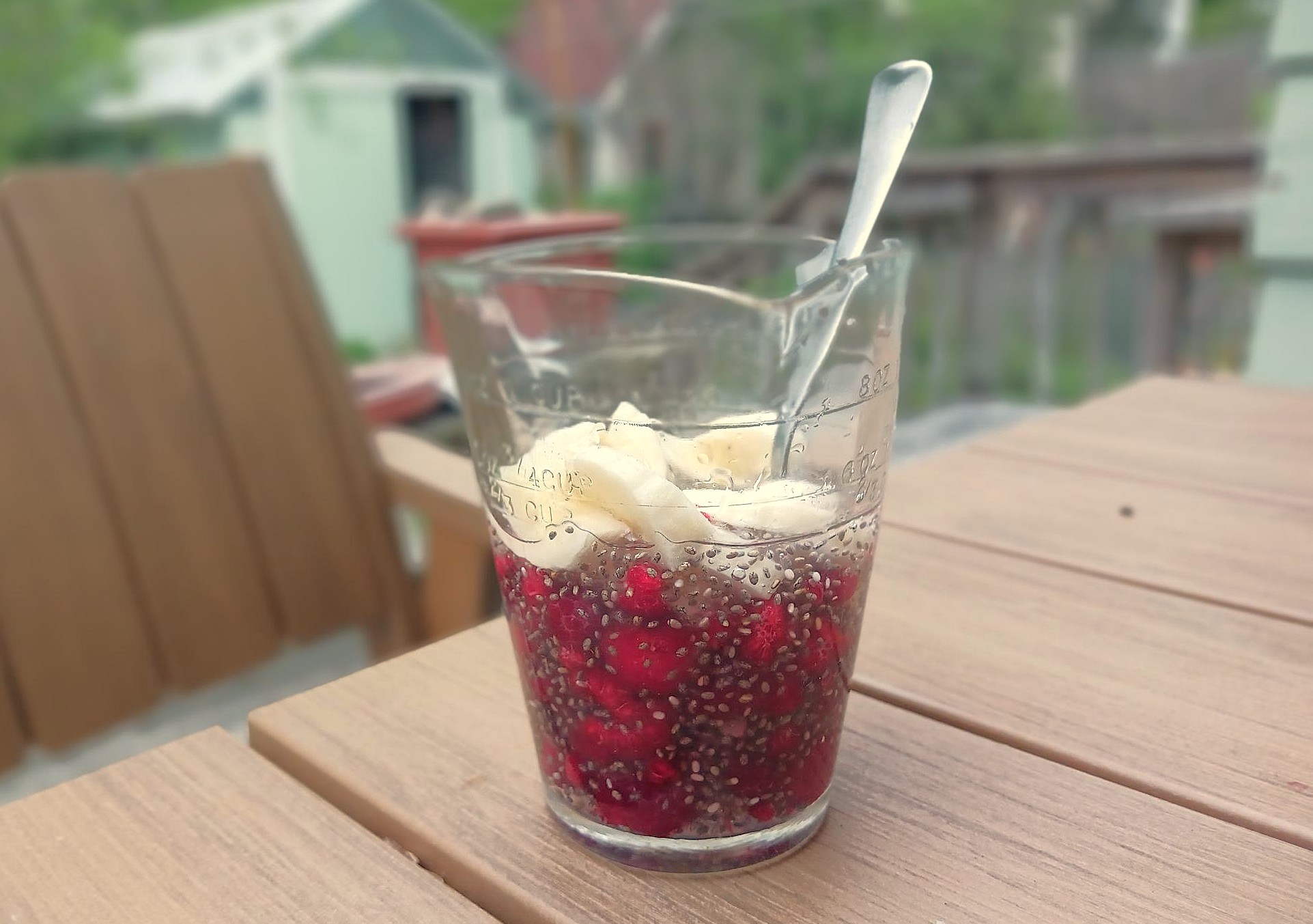
Forty years ago, chia seeds became popular as a goofy, green pet. Today, people are more interested in eating chia seeds, due to their incredible concentration of vital nutrients like omega-3 fatty acids, fiber, protein, minerals, antioxidants and beneficial enzymes — the very same elements that made chia seeds so valuable to ancient Mayan and Aztec warriors, who had to travel light, while maintaining top physical condition.
Since they made the official list of “superfoods” about 15 years ago, chia seeds have gained tremendous popularity, and are fast approaching the billion-dollar-market mark. People are encouraged to add chia to everything from smoothies and yogurt to energy bars and baked goods — promoting the six most common mistakes in consuming chia seeds.
According to Dr. Rohini Patil, some of the most popular ways to eat chia are cheating you out of its health benefits.
Chia seeds’ incredible potential is being undermined
Chia seeds are recommended for digestive benefits, heart health, stabilizing blood sugar, enhanced cognitive performance, and supplemental nutrition for vegetarians. Indeed, the antioxidants, fiber, omega-3 fatty acids and prebiotics found in chia seeds can promote a healthy gut microbiome, help keep you regular, and reduce chronic inflammation — which is linked with many serious conditions and illnesses.
As a rich source of fiber, chia can also help lower cholesterol and blood pressure, while alpha-linolenic acid (ALA) found in chia seeds can help reduce the risk of cardiovascular disease.
Success
You are now signed up for our newsletter
Success
Check your email to complete sign up
For vegans, chia is a great source of vital nutrients like calcium, iron, protein, and omega-3 fatty acids normally obtained through animal products.
All these potential benefits can be lost or even undermined by consuming chia seeds incorrectly.
Mistake number one: Sprinkling dry chia onto other foods
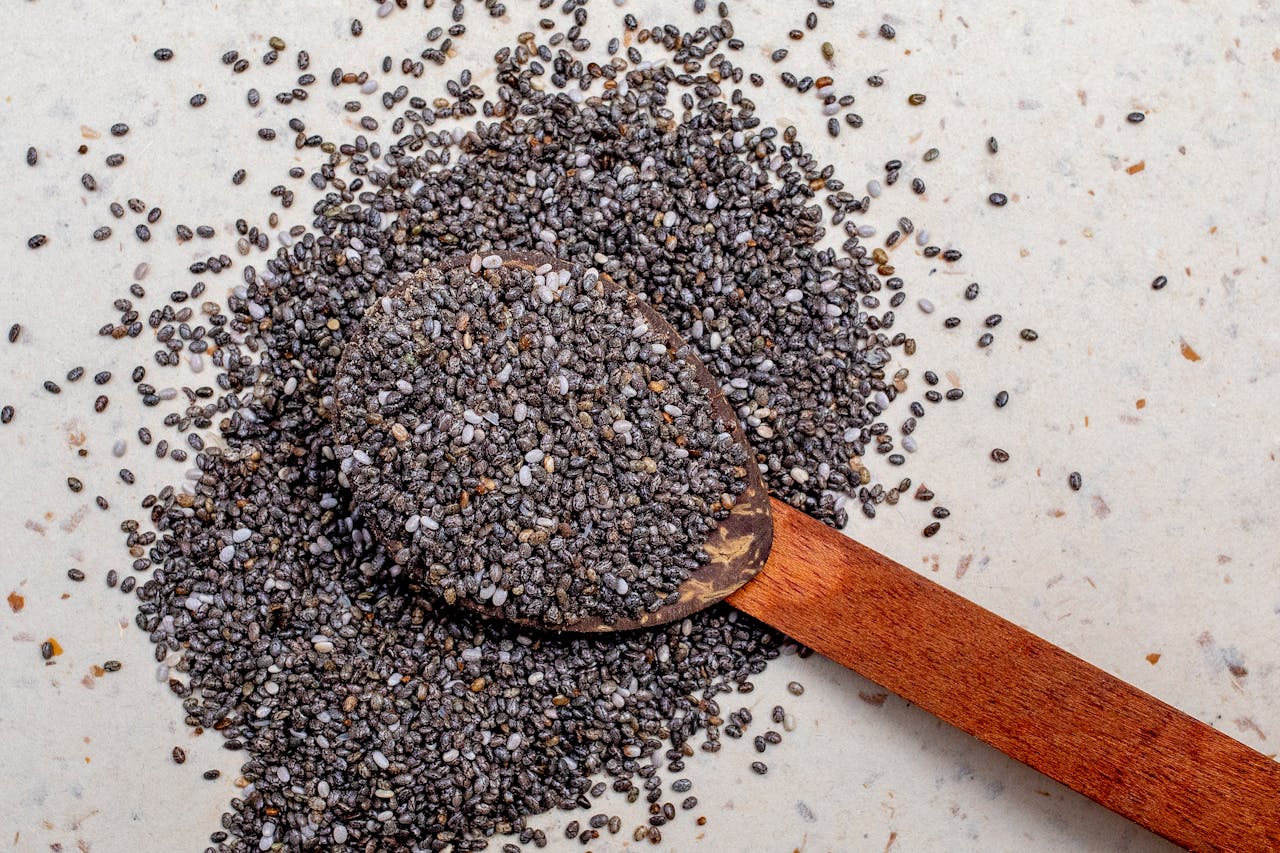
The outer shell of chia seeds is made up of a complex soluble fiber called mucilage. It also contains phytic acid which protects the seed from oxidation and inhibits enzyme activity. When hydrated with plain water, mucilage turns into a gel that promotes gastrointestinal wellness in many ways, while the phytic acid is broken down, unlocking the many benefits of chia.
Casually adding dry chia to other foods causes the chia to attempt hydration in your gut. This can irritate the gut lining and block nutrient absorption — causing bloating and discomfort. Chia seeds should always be hydrated before consumption.
Mistake number two: Insufficient soak time
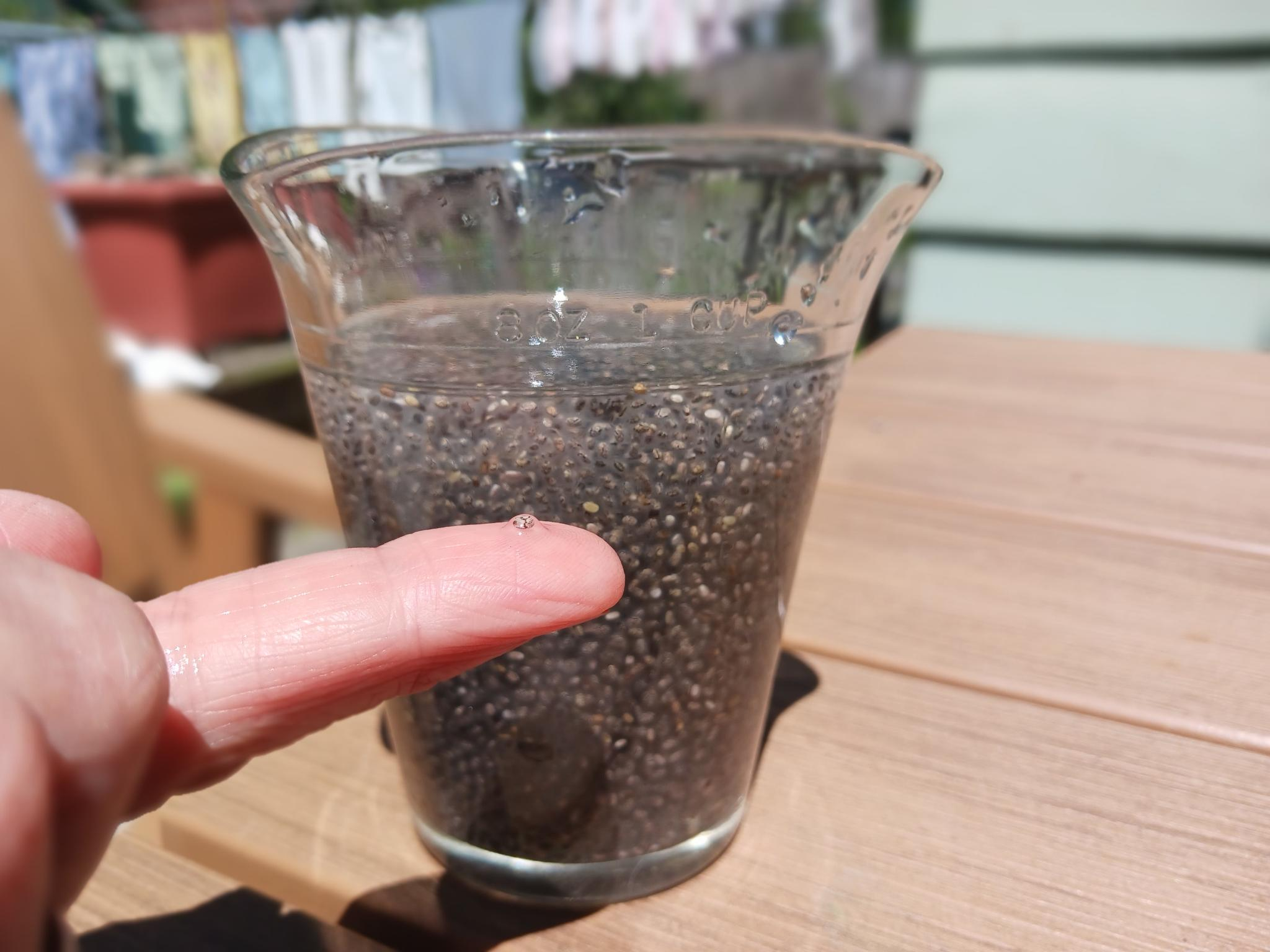
Chia seeds form a gel almost immediately upon contact with water, so it is easy to assume that they are hydrated after just a few minutes. However, when chia seeds are consumed before the phytic acid has had time to break down, this compound acts as a magnet for minerals — bonding with calcium, iron and zinc to make insoluble complexes that the body cannot absorb.
So even though chia is packed with important minerals, consuming briefly-soaked chia regularly can lead to a mineral deficiency.
To know whether your seeds are fully hydrated, pinch a few between your fingers. They should be soft inside the gel. You will still detect the shell, but the center will no longer be firm.
Mistake number three: Soaking chia in anything other than plain water
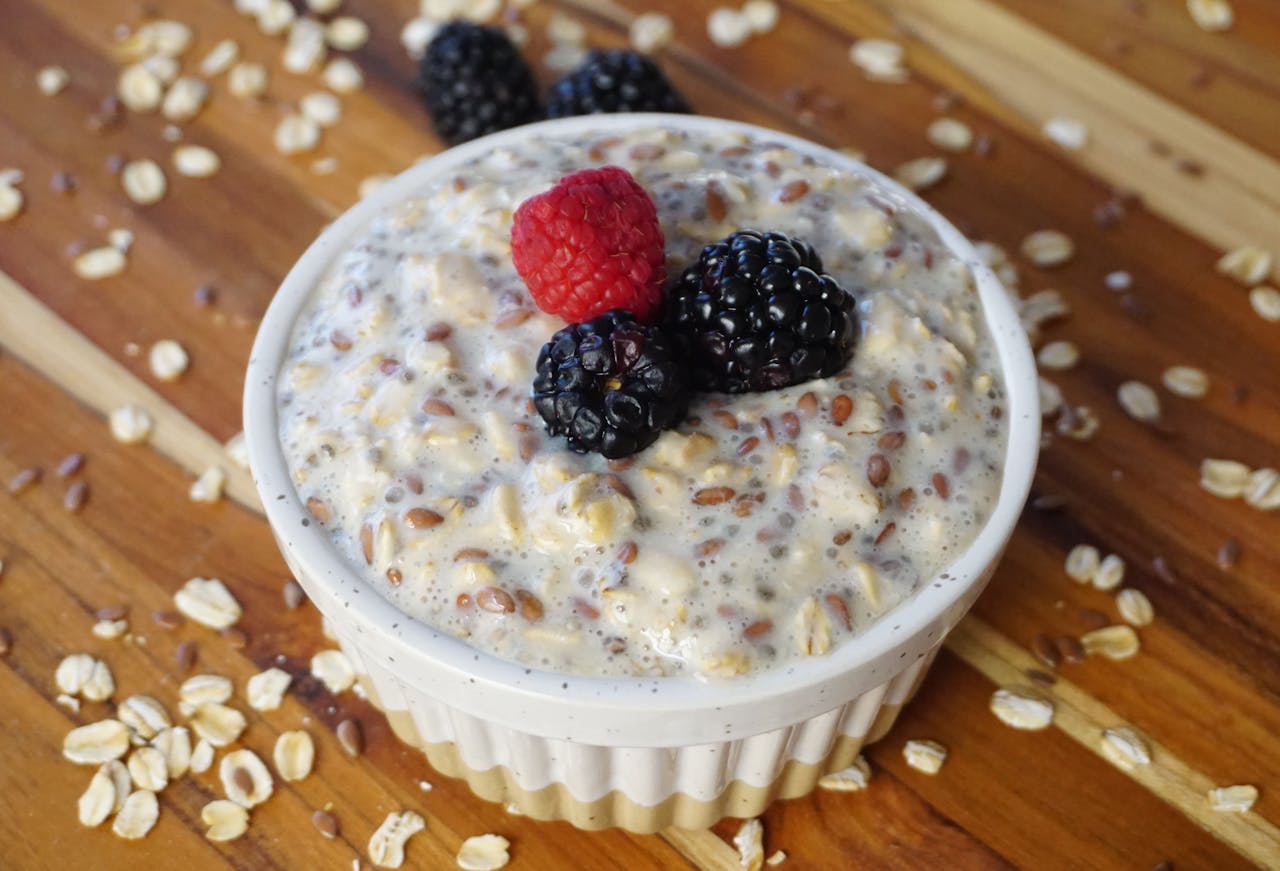
Using milk, yogurt, kefir, oatmilk, or almond milk as a soaking medium undermines your health goals in another way. Fats and proteins found in various milky liquids will coat the seed shell and prevent proper hydration. A weak, incomplete gel may form, but you end up with the same problems mentioned in mistakes numbers one and two.
Soaking chia in sweetened liquids poses yet another problem. Properly hydrated chia gel acts as a buffer in your gut, helping to slow digestion and prevent spikes in blood sugar. When sweeteners are added to the hydration liquid, the sweetened gel ends up feeding the opportunistic bacteria in your gut.
These bacteria release gases and acidic byproducts which cause irritation and weaken the intestinal barrier, eventually leading to low-grade inflammation, with symptoms like fatigue, skin problems and sluggish digestion.
Chia should be fully hydrated in plain water before adding anything else.
Mistake number four: Wrong ratio of chia to water
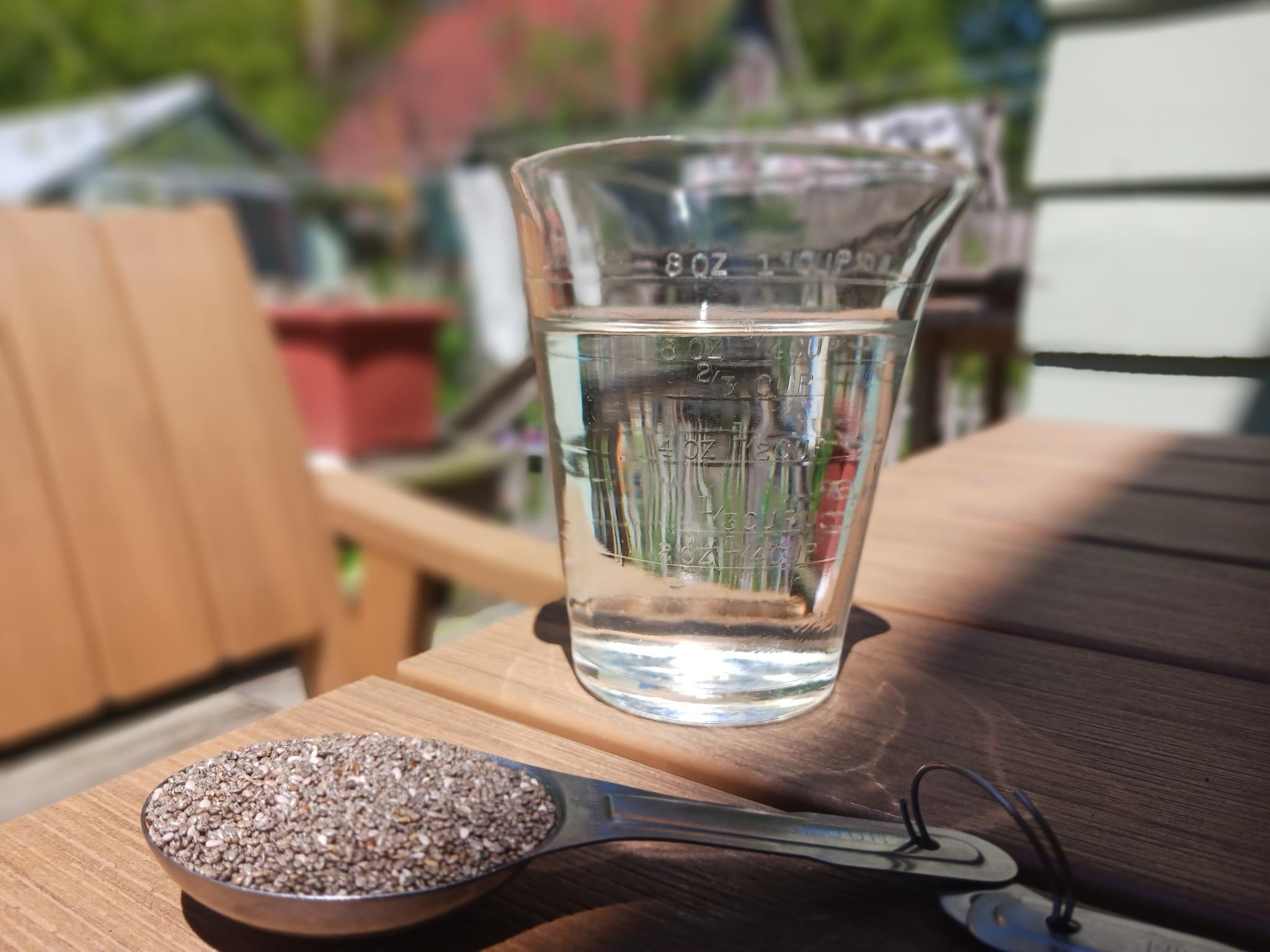
Most chia recipes suggest one-third cup of liquid (or less) per tablespoon of chia, but that is far from enough to fully hydrate chia seeds. Chia seeds absorb 12 times their weight in liquid. There are 16 tablespoons in a cup, so three quarters cup of water is a better starting point.
With insufficient water, gel formation is uneven and clumpy. This is very hard on the digestive system and can lead to discomfort and heaviness.
Mistake number five: Consuming chia on an empty stomach
Many people like to take their chia first thing in the morning, before their digestive system is really awake. During its resting phase, your gut is not producing the acids and enzymes needed to deal with a concentrated load of fiber, so chia taken at this time is likely to sit, ferment and produce gas, rather than be efficiently processed.
You can still incorporate chia into your morning routine, but prepare your gut by drinking a glass of plain water first, and stimulate digestive action by eating something light, like a piece of fruit. Then consume your fully hydrated chia seeds with or after a meal.
Mistake number six: Storing soaked chia for too long
Once the chia seed has been hydrated, it loses its protective barrier, allowing oxidation and enzymatic activity to begin. Alpha-linolenic acid in chia seeds degrades quickly with oxidation, but this is hard to detect in its early stages.
Soaked chia seeds that are unconsumed can be stored in a sealed container in the refrigerator if used within 48 hours. After that, they should be discarded, even though you may not notice any signs of spoilage.
Three simple rules for eating chia seeds
Chia seeds are truly one of the most nutrient-dense and beneficial foods to add to your diet, but they must be properly prepared to yield good results. Follow these simple rules to unlock all the potential of chia.
- Soak chia seeds in plain water, at a ratio of one tablespoon chia to at least ¾ cups water.
- Soak for two to three hours at room temperature, or until the seeds can be squashed between the fingers. After this you can combine them with other foods.
- Store soaked chia seeds in a covered container in the fridge, and consume within 48 hours.