According to Reuters, citing informed sources, the U.S. Department of Justice plans to file criminal charges on the 20th of this month against 94-year-old former Cuban President Raúl Castro over an incident 20 years ago in which the Cuban military shot down two humanitarian rescue aircraft. The move is seen as a major escalation of pressure by the Trump administration on Cuba’s communist regime.
According to reports from BBC and other media outlets, Raúl Castro is the younger brother of Cuban revolutionary leader Fidel Castro. He took over leadership in 2008 and became First Secretary of the Communist Party of Cuba in 2011. He stepped down from party leadership in 2021, ending more than half a century of Castro family rule.
U.S. federal prosecutors are focusing on the Feb. 24, 1996 incident in which the Cuban military shot down two light aircraft operated by the U.S.-based Cuban exile organization “Brothers to the Rescue,” killing four people, including three U.S. citizens. The group was engaged in rescuing Cuban migrants and dropping anti-Castro leaflets at the time. The Cuban government claimed the aircraft had violated its airspace, but the International Civil Aviation Organization ruled that the incident occurred in international waters.
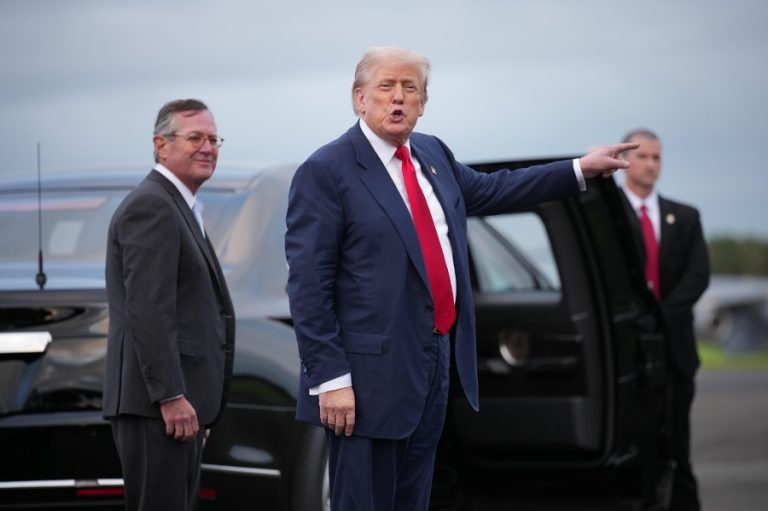
Sources say that if the indictment is approved by a grand jury, it could be made public as early as next week. Florida Attorney General and Governor Ron DeSantis both described the case as “long overdue.” Responding to questions aboard Air Force One, President Trump said the Department of Justice would provide clarification, but emphasized that Cuba is a “declining country” in need of assistance. Since January this year, the Trump administration has imposed strict containment measures on Cuba, including a de facto oil embargo, increased sanctions, and military pressure, leading to severe fuel shortages and pushing the country into its worst economic and energy crisis in decades. Multiple foreign companies have been forced to withdraw.
The Cuban government has not formally responded to the indictment threat, but Foreign Minister Bruno Rodríguez stated at a BRICS foreign ministers’ meeting: “Despite the [U.S.] embargo, sanctions and threats of the use of force, Cuba continues on a path of sovereignty towards its socialist development.” In Havana, local residents told Reuters that the U.S. move would only “turn the clock back on negotiations with the U.S., further deepening the diplomatic crisis between the two nations.”
Success
You are now signed up for our newsletter
Success
Check your email to complete sign up
Notably, the news of the potential indictment comes as CIA Director John Ratcliffe is visiting Havana and meeting with Cuban officials. Cuba said the meeting aims to improve dialogue and stressed that Cuba does not pose a threat to U.S. national security. Washington stated it is willing to engage on economic and security issues, but only if Cuba undertakes fundamental changes. Previously, the U.S. also updated a $100 million aid proposal intended to ease the impact of the oil embargo.
Analysts say this is part of sustained pressure on Cuba since Trump returned to office, similar to earlier actions against Venezuelan leader Nicolás Maduro. University of Texas Latin America politics professor William LeoGrande (actually at American University) warned that if Cuba’s economic and social order collapses, it could trigger a large-scale migration crisis that would instead become a disaster for the United States. He argued that Washington’s move is intended as a warning for Raúl Castro to use his influence to push the Cuban government toward concessions, or else “the U.S. military may be coming for him, just like it came for President Maduro in Venezuela.”
Relations between the U.S. and Cuba have long been tense. Since the Cuban Revolution, the two countries have remained in decades-long confrontation. Analysts believe this potential indictment is not only a legal action but also an important step in the Trump administration’s broader strategy to reshape the Cuban regime, with significant international implications.
By Yin Hua, Vision Times