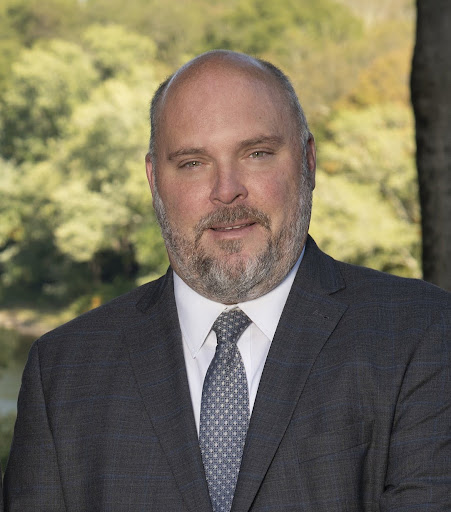
For more than two decades, Jason R. Ohliger has built a reputation as a dedicated trial lawyer serving clients across Pennsylvania, New York, and New Jersey. His practice focuses on serious injury and wrongful death cases.
Interestingly, his path into personal injury law was not planned from the start. “The entire time I was in law school, I thought I wanted to be a criminal defense lawyer,” he said. But that changed after graduation. “I realized that the injury cases are much more interesting… you have to know medicine… engineering… accident reconstruction… you’re constantly learning about new things.”
For Ohliger, that constant learning is part of the appeal. “It’s not just practicing law—you have to pull in all of these other things,” he added.
A slower legal system in a faster world
One of the biggest changes Ohliger has observed over the years is the growing gap between the speed of modern life and the pace of the legal system.
“The whole rest of the world is moving very fast, but cases still move very slow,” he explained. While emails and digital systems have replaced stacks of mail and fax machines, the courts remain intentionally methodical. “Courts don’t want to rush… they want to make sure things are handled in the right order.”
Success
You are now signed up for our newsletter
Success
Check your email to complete sign up
This contrast can be challenging for clients, but Ohliger sees it as necessary to ensure fairness and accuracy in legal outcomes.
A boutique approach in a high-volume industry
In an era when many law firms prioritize volume, Ohliger and his team have chosen a different path.
“The trend in injury cases is toward very large law firms that work on volume… and we are the opposite of that,” he said. Instead, his firm emphasizes individualized attention. “People can expect—and they will get—individualized treatment.”
With a small, experienced team and virtually no employee turnover, clients typically work with the same attorney and staff throughout their case. This continuity, he believes, leads to better outcomes and greater trust.
He recalled instances where larger firms declined cases that later proved valid. “I’ve had cases that came from bigger law firms that told the client, ‘you have nothing,’” he said. “And I would say… there does appear to be a case.” Some of these cases have resulted in significant recoveries for those clients. Even when these cases are not the largest, they can still result in meaningful recoveries for clients who might otherwise have been overlooked.
Addressing the human side of injury
Beyond legal strategy, Ohliger highlighted the emotional challenges many clients face.
“There is a very profound mental health component,” he said, especially in serious accidents. “Mental health has been so stigmatized… clients don’t want to talk about it.”
In recent years, his firm has made a greater effort to address this aspect of recovery. “We’re trying to make sure that these clients get the mental health treatment that they need,” he explained, emphasizing that healing goes beyond physical injuries.
Navigating a complex tri-state practice
Serving clients across Pennsylvania, New York, and New Jersey adds another layer of complexity.
“There is no cookie-cutter case in our office,” Ohliger said. Cases often involve multiple jurisdictions, different laws, and a wide range of medical providers. “We actually have to really plan each case… every combination.”
Despite these challenges, he credits his experienced staff for helping manage the details and ensuring each case is handled thoroughly.
Building trust through community engagement
Ohliger’s commitment extends well beyond the courtroom. Early in his firm’s development, he made a conscious decision to prioritize community involvement.
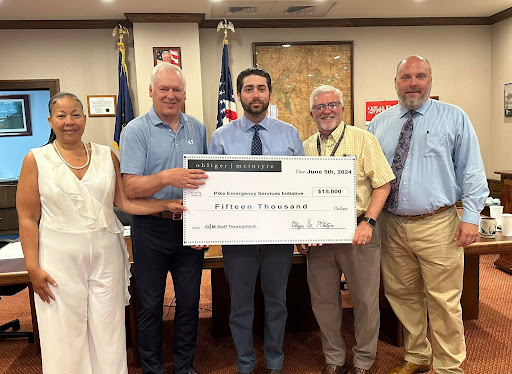
“We were going to be a very community-focused firm,” he said. One major initiative addressed a critical need in Pike County—supporting volunteer emergency medical services. Training for EMTs can cost hundreds of dollars per person, creating a burden for local fire departments and volunteers.
To help solve this, the firm co-founded the Pike County Emergency Services Initiative, starting with an initial donation and growing it through ongoing fundraising efforts. “No fire department, no individual has had to put $1 out of their pocket since this initiative began,” he said.
Through an annual charity golf tournament and continued community support, the initiative has raised tens of thousands of dollars, funding EMT training across the county. “The first year we raised $15,000, the second year $17,000… and the money just keeps going into that fund,” he noted.
Beyond this effort, the firm regularly contributes to local causes—from youth sports teams to emergency services—focusing on non-political initiatives that bring direct value to the community. “We donate tens of thousands of dollars a year, easily, to the local community,” Ohliger said.
Defining justice beyond the verdict
For Ohliger, the most meaningful moments often come when a client’s experience is validated.
“When you get that verdict, and the jury tells you… you were right the whole time… it’s very validating,” he said. These moments, especially in hard-fought trials, can have a lasting impact on families.
At a broader level, he is deeply concerned about protecting individual rights in an evolving legal landscape. “The biggest and most important aspect of justice… is preserving our Seventh Amendment right to a jury trial,” he said, pointing to increasing efforts by corporations to limit access to juries through arbitration clauses in contracts and user agreements that customers generally don’t read.
“Justice is the ability for you to go in front of jurors and have them decide,” he emphasized.
Clear communication and practical advice
A key part of Ohliger’s approach is making the law understandable. “Legal concepts can be explained in a much simpler language than lawyers are trained to use,” he said. By using plain language, he helps clients navigate complex situations with greater confidence.
He also encourages people not to hesitate when seeking help after an accident. “People feel… ‘I’m not the kind of person who sues,’” he said, noting a common stigma. But waiting too long can be costly. “You have rights, and you need to recognize those rights… and do it relatively quickly.”
One practical area he believes deserves more public awareness is insurance coverage. “Most people don’t know how much insurance coverage they have until after they’re in an accident,” he said. Understanding options like underinsured motorist coverage can make a significant difference in recovery after an accident.
A commitment that goes beyond cases
Through his work, Jason R. Ohliger continues to advocate for fairness, clarity, and community connection. Whether in the courtroom or through local initiatives, his focus remains consistent: helping people navigate some of the most difficult moments in their lives with guidance, respect, and a strong sense of justice.