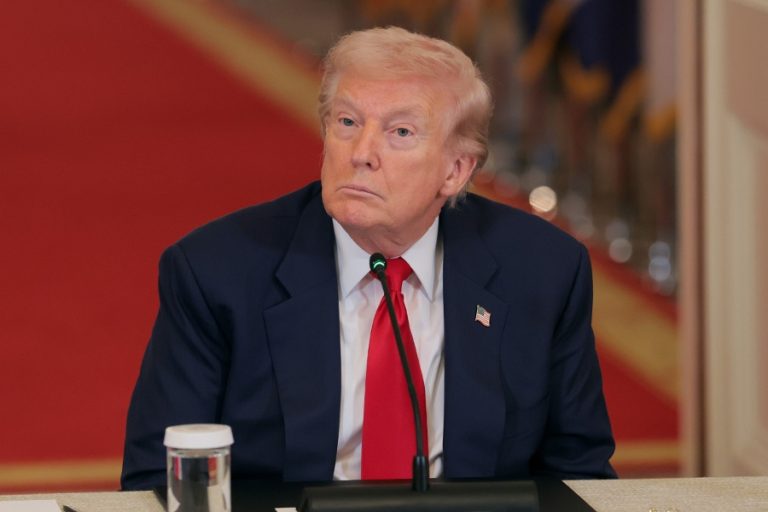
On May 27, bipartisan members of the U.S. Congress introduced the Protect College Sports Act of 2026, aiming to stabilize the increasingly chaotic college athletics system. The bill seeks to protect student-athlete rights, maintain competitive balance, and expand revenue sharing. On June 4, U.S. President Donald Trump voiced strong support for the legislation on Truth Social, calling it a “last chance” to save college sports.
The bill was jointly introduced by Washington State Democratic Senator Maria Cantwell, Texas Republican Senator Ted Cruz, Missouri Republican Senator Eric Schmitt, and Delaware Democratic Senator Chris Coons. It addresses issues currently facing college sports, including chaotic transfer rules, Name, Image, and Likeness (NIL) controversies, program cuts, and financial instability.
Senator Cantwell said thousands of men’s and women’s athletic opportunities and hundreds of sports programs are being eliminated. She argued that college sports represent human development and must not be destroyed by uncontrolled disruption. The bill, she said, provides new tools and rules to preserve NIL rights, revenue sharing, and women’s and Olympic sports while controlling runaway costs.
Senator Cruz said college athletics are on the brink of collapse, with wealthy programs widening the gap. He said the bill would restore order, allow athletes to benefit from NIL, preserve competitive balance and traditional rivalries, and prevent college sports from becoming a “two-league minor professional system.”
Senators Coons and Schmitt also emphasized athlete compensation, health protections, support for smaller schools, and the importance of women’s and Olympic sports.
Success
You are now signed up for our newsletter
Success
Check your email to complete sign up
Trump’s support
On Truth Social Trump said college athletics—a “great American institution”—has fallen into “total chaos” due to endless lawsuits and rulings. He warned that many schools face financial risk and that women’s sports and the Olympics are being threatened. He added that college sports are drifting toward unregulated professionalization, which no one intended.
Trump said he convened a roundtable in March with sports executives, athletes, and political leaders to seek a bipartisan solution. He thanked Cruz, Schmitt, Cantwell, and Coons for introducing the bill and urged Congress to pass a final version quickly so he could sign it into law this summer, stating: “We must save college sports!”
Key provisions of the bill
Athlete protections
- Establishes nationwide NIL rights and contract standards
- Regulates agents (registration, 5% commission cap, anti-fraud rules)
- Guarantees 10-year scholarship protections
- Expands medical coverage and safety standards
- Creates an athlete ombudsman office
Revenue and stability
- Amends the 1961 Sports Broadcasting Act to allow schools to jointly negotiate media rights, significantly increasing revenue
- Protects non-revenue sports and women’s/Olympic programs
- Limits super-league consolidation
- Preserves traditional matchups
Transfer rules
- Allows one free transfer without loss of eligibility
- A second transfer requires a one-year sit-out unless exceptions apply (e.g., leaving sport, sexual assault or harassment cases)
Enforcement
- Grants athletes a private right of action
- Establishes independent health and safety officers
The bill consolidates several previous legislative efforts by Cantwell and is seen as a rare bipartisan consensus on college sports reform. With formal introduction in the Senate and Trump’s public backing, lawmakers are urging rapid House action so the bill can reach the president’s desk. The initiative is viewed as a major potential breakthrough in long-stalled college athletics governance reform.