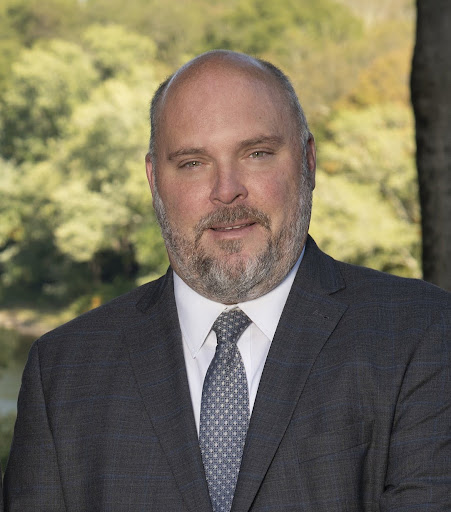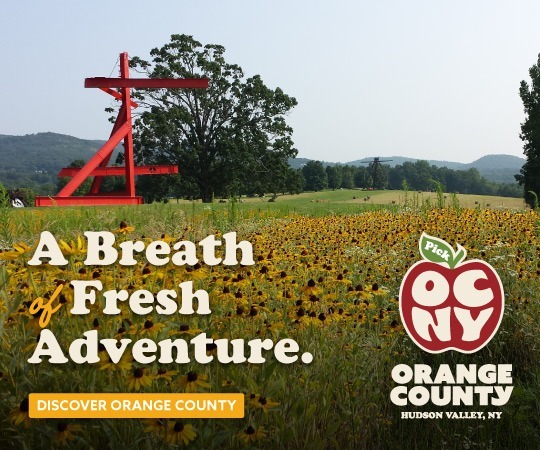
As travelers increasingly look for authentic, nearby escapes, Orange County has quietly emerged as a compelling destination just north of New York City. In this exclusive interview, the Director of Orange County Tourism Amanda Dana shares insights on visitor trends, hidden gems, cultural assets, and the county’s ambitious plans for future growth.
RELATED: Lightspeed Restoration of Orange County: Restoring Homes, Rebuilding Trust
Q: Where are most of your visitors coming from today?
A: The majority of our visitors come from the greater New York metropolitan area: Manhattan, the boroughs, as well as New Jersey and Connecticut, and even parts of Pennsylvania.
We’re located about 60 miles north of New York City, which puts us in a very strategic position. We’re just far enough away that it feels like a true getaway, but still close enough for an easy trip. That balance makes Orange County a very attractive destination.

Q: What kind of visitors are you hoping to attract moving forward?
A: We’re really looking for visitors who will spend time here, and yes, those who contribute to the local economy. The longer people stay, the more they engage with our community, support local businesses, and ultimately develop a connection with the area. Ideally, they fall in love with Orange County and may even consider making it their full-time home in the future.
Success
You are now signed up for our newsletter
Success
Check your email to complete sign up
RELATED: Royal Touch Wash & Fold: Giving Families More Time Together
Q: Orange County has many “hidden gems.” How are you helping people discover them?
A: Storytelling is key. Many people don’t know about these hidden gems, and sometimes those who do prefer to keep them to themselves. Our team actively visits small businesses, creates content, and promotes them through social media. For example, we worked with a falconry experience in Goshen. After producing video content and sharing it online, their business saw a significant increase in visitors.
That’s how we help small businesses turn great local experiences into content that reaches the right audience and encourages more visitors to discover them.
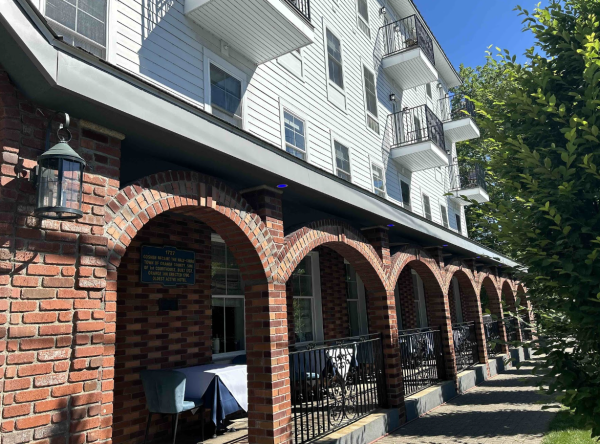
Q: The craft beverage scene seems strong here. Can you tell us more?
A: Absolutely. The craft beverage industry, breweries, wineries, distilleries, and cideries, has been growing for over a decade. Today, we have over 30 craft beverage locations, including more than a dozen breweries.
What makes Orange County unique is the diversity of experiences: Urban-style breweries as well as farm-based settings. It’s not just about the drinks, it’s about the lifestyle, the craftsmanship, and the culture behind them.
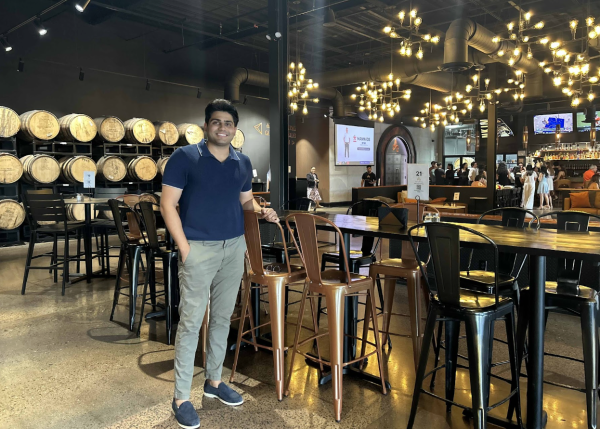
Q: How important are events and large venues to the local economy?
A: They’re incredibly important. A conference or convention space creates what we call a “multiplier effect.” It’s not just hotels — it’s restaurants, retail, transportation, and more. A single event can drive economic activity across multiple sectors.
Right now, Orange County lacks a large-scale conference and convention center, but we’ve completed feasibility studies and are actively working with developers. We’re optimistic that major projects will emerge in the coming years.
Q: What role do arts and culture play in tourism here?
A: Arts and culture are a major part of our identity. We’re home to the renowned Storm King Art Center, a 500-acre sculpture park that attracts visitors from around the world.
We also have venues like the Sugar Loaf Performing Arts Center, which serves as a vibrant community hub for performances, dance, and cultural events. These assets help define Orange County as more than just a weekend escape; they give it depth and character.
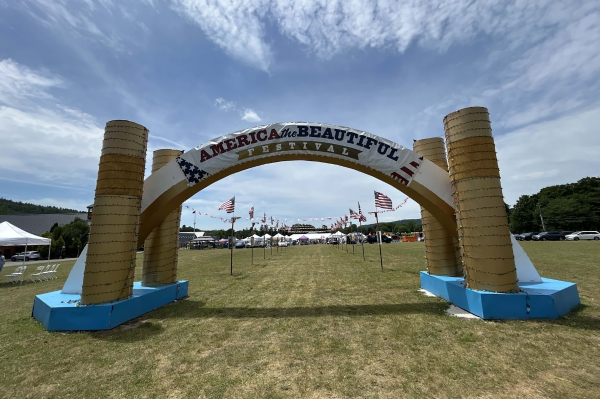
Q: How does film production contribute to tourism?
A: Film production plays a significant role. When a movie or series is filmed here, people want to visit those locations. For instance, when a Hallmark production filmed in Goshen,It didn’t just draw visitors…productions bring large crews that stay, eat and play in the location they are filming.
We act as a concierge service for productions — helping with permits, locations, and resources — because every production brings economic and promotional benefits to the county.
Q: What new developments or trends are you seeing?
A: We’re seeing growth across multiple areas:
- New hotels and restaurants
- Farm-based experiences and agritourism
- Continued expansion in hospitality
We also see strong long-term potential in developing conference and multipurpose event spaces, which will help us attract midweek business and larger-scale events.
Q: How does Orange County work with major attractions like Woodbury Common?
A: We actively collaborate with destinations like Woodbury Common Premium Outlets to encourage visitors to explore beyond shopping. The goal is to convert those visitors into overnight guests by introducing them to our local attractions, dining, and experiences.
Q: How has tourism changed since COVID?
A: We’ve seen steady growth year over year since COVID. Visitor spending has increased significantly, and the industry now represents approximately $1.3 billion in economic impact.
We’re also seeing more people relocate here after visiting, especially those drawn to outdoor space and quality of life.
Q: What message would you like to share with potential visitors?
A: I’d tell visitors that Orange County is full of reasons to come back again and again. We have major events like Freedom Fest, the Air Show and Apple Fest, but we also have beautiful outdoor spaces, incredible local food, charming downtowns, farms, craft beverages and so many unexpected places to explore.
My message to visitors is simple: Don’t just pass through. Come for the event, stay for the weekend and give yourself time to experience everything that makes Orange County special. There is always something new to discover, and our events page is a great place to start planning.
Final thoughts
From its proximity to New York City to its growing cultural, culinary, and experiential offerings, Orange County is positioning itself as more than a day trip; it’s becoming a destination with long-term appeal.
With strategic investments, storytelling-driven marketing, and a focus on high-value visitors, the county is steadily transforming its “hidden gems” into a nationally recognized tourism asset.
Julie Wang contributed to this story.