Taiwanese authorities have uncovered what investigators describe as a “sophisticated operation” to illegally reroute high-end AI servers equipped with NVIDIA chips into China, prompting a joint effort with U.S. officials to identify the mysterious buyer behind the scheme.
According to Taiwanese media reports, the case first came to light during a separate Coast Guard investigation into transnational drug smuggling. Investigators later said three Taiwanese suspects had used shell companies, false declarations, and forged paperwork to acquire Supermicro AI servers equipped with NVIDIA chips and disguise their ultimate destination.
Investigators added that the servers, valued at approximately NT$700 million (about USD$23 million), were initially declared for export to countries including Japan and Indonesia. They were then allegedly rerouted through Hong Kong and Macau before ultimately reaching mainland China.
Rerouting AI servers to Beijing
The shipment involved 50 high-end Supermicro AI servers powered by NVIDIA’s advanced H300 chips, which are subject to increasingly strict export restrictions because of their strategic importance in AI research and development.
During the investigation, authorities found black, metallic servers stored in warehouses awaiting shipment. However, investigators were unable to locate documentation showing the products had entered legitimate supply chains in their declared destinations.
Success
You are now signed up for our newsletter
Success
Check your email to complete sign up
Working with the American Institute in Taiwan (AIT), Taiwanese investigators obtained logistics and export records that allegedly traced the servers’ movements after arriving in Japan, ultimately linking them to China’s market.
Tracing the supply chain
Authorities said the evidence suggests deliberate efforts to evade export controls. Investigators also noted that the three suspects lacked technology industry backgrounds and appeared to have limited financial resources, raising suspicions that they were acting on behalf of a larger organization.
Prosecutors in Keelung argued that additional accomplices remain at large and warned of possible collusion or destruction of evidence. The court approved detention requests for the suspects while the investigation continues.
Officials believe this may not have been an isolated incident. “The group may have repeatedly used the same method to resell NVIDIA-powered servers to China through origin-washing schemes,” investigators reportedly concluded, estimating that the total value of such transactions could exceed NT$10 billion.
Huang Chien-ming, deputy commander of the Coast Guard Administration’s Keelung Investigation Unit, warned that unauthorized exports of advanced AI chips and servers pose national security and technology-control risks because of their highly strategic nature. Investigators said they worked with the American Institute in Taiwan (AIT) to obtain logistics and export records that helped trace the servers’ movements and establish evidence of the alleged diversion scheme.
NVIDIA and Supermicro in hot water
The case follows another high-profile investigation involving Supermicro earlier this year. In March, U.S. authorities indicted several individuals, including company personnel, over allegations that AI servers were routed through Southeast Asia and Taiwan before being diverted to China in violation of export restrictions.
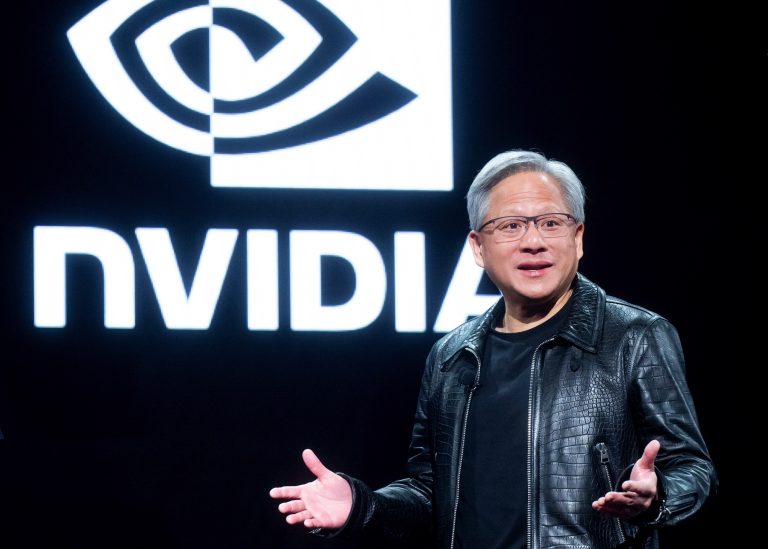
The controversy has also drawn attention from NVIDIA CEO Jensen Huang. During a visit to Taiwan last month after accompanying U.S. President Donald Trump on his visit to Beijing, Huang publicly urged partners to strengthen compliance measures and prevent NVIDIA products from reaching unauthorized destinations.
“We very carefully explain the laws and regulations of countries around the world to all of our partners and require them to strictly comply with them,” Huang said. “I hope they can strengthen and improve their compliance management to prevent similar situations from happening again in the future.”
Tougher penalties for chip smuggling?
Taiwan has already adopted an export blacklist system under its Trade Act and has designated Chinese companies such as Huawei and Semiconductor Manufacturing International Corp. (SMIC) as restricted entities for strategic technology exports.
However, officials are now considering even tougher measures. Current penalties for illegally transferring controlled technologies often rely on offenses such as document falsification, carrying relatively light sentences. Taiwanese authorities are studying legislative revisions that could impose harsher criminal penalties on those caught smuggling advanced chips into China without authorization.
Lawmakers are also debating whether Taiwan should follow the U.S. model by expanding restrictions beyond designated entities to cover all chips and computing equipment that exceed specified performance thresholds.