When Chef Regi Mathew speaks about Kerala, he speaks less like a celebrated chef and more like a grateful son returning home.
At Chatti, his first restaurant in New York, every dish begins with a memory. The restaurant’s name comes from the humble clay pot used in Kerala kitchens for generations, a vessel that quietly carries the aromas, traditions, and stories of home. For Chef Regi, bringing Kerala cuisine to New York is not simply about introducing another regional Indian menu. It is about sharing a culture shaped by centuries of travel, exchange, and hospitality.
“Kerala is the land of spices,” he says. “People came from all over the world looking for them — the Danes, the Arabs, the Chinese, the Greeks, and the Portuguese. We learned techniques from them and adapted them using our own ingredients. Kerala cuisine became a beautiful culmination of many cultures.”
Yet despite these influences, the food remains deeply rooted in family kitchens. The dishes at Chatti are prepared much the way they were by mothers and grandmothers across Kerala — slowly, patiently, and with respect for every ingredient. Flavors are allowed to develop naturally until they find harmony.
That philosophy was born in his own mother’s kitchen.
Success
You are now signed up for our newsletter
Success
Check your email to complete sign up
“My mother was an excellent cook,” Chef Regi recalls. “She inspired me to become a chef. I wanted to recreate her food as a way of expressing my love and gratitude for her.”
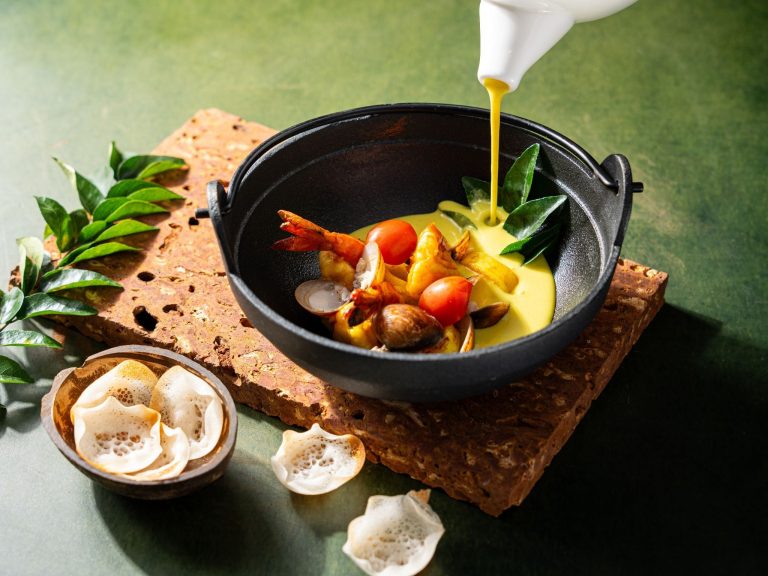
One of the dishes that brings him back to childhood is Moilee or Meen Molee, Kerala’s delicate fish curry simmered with coconut milk and gentle spices. At Chatti, it is slowly matured in earthenware for hours, allowing the flavors to deepen and soften, much as generations before him would have done.
For more than three years, Chef Regi traveled throughout Kerala, visiting village homes and learning from elderly women whose culinary knowledge had rarely been documented. He listened, observed, and carefully recorded techniques passed down from one generation to the next.
“The mothers are the best teachers,” he says with a smile.
Those lessons became the foundation of Chatti.
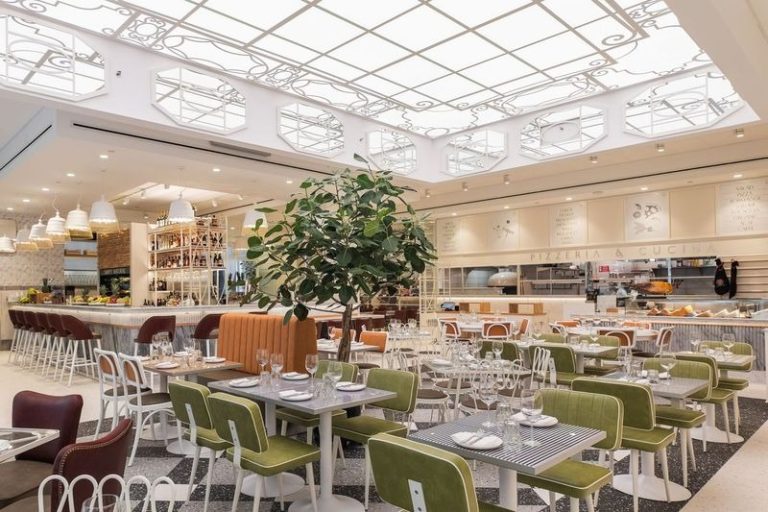
The restaurant recreates the spirit of Kerala’s toddy shops — simple gathering places where fishermen, farmers, laborers, and families gather after a day’s work to share food, conversation, and companionship. These modest taverns are not merely places to eat; they are places where stories are exchanged, and friendships are strengthened.
That same spirit fills Chatti today.
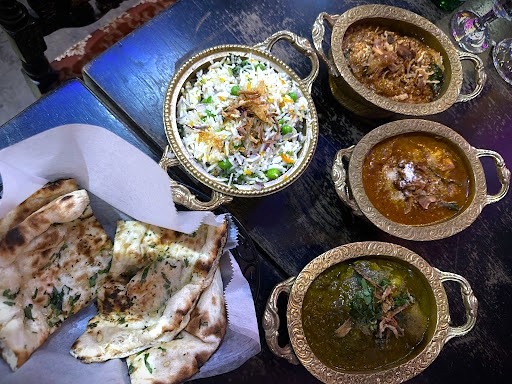
Guests begin their journey with “touchings,” the small plates traditionally shared around the table. Kozhikode mussels arrive fragrant with spices. Jackfruit cutlets coated in coconut offer a crisp exterior and comforting center. Spice-laden prawns wrapped in banana leaves evoke Kerala’s coastal heritage, while other tasty morsels encourage diners to linger and share.
Between courses, guests are often surprised with a small palate-cleansing bite from the kitchen — an unexpected gesture that refreshes the senses and prepares them for the next chapter of the meal. It is a thoughtful touch that reflects the generosity woven throughout Kerala’s hospitality.
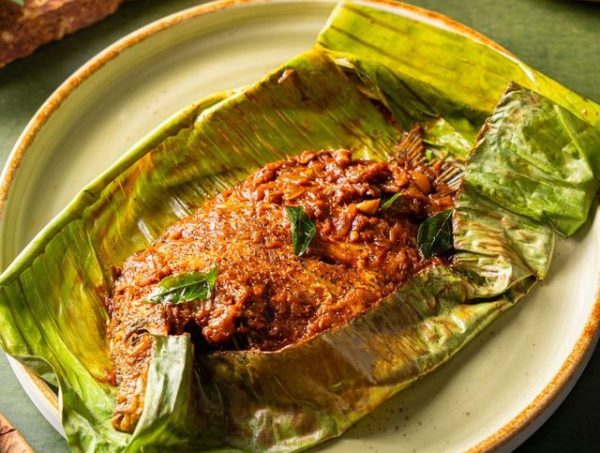
Among the larger dishes, Fish Pollichathu stands out. Wrapped in banana leaves and grilled until aromatic, the fish absorbs layers of spice and smoke while remaining delicate and moist. Duck Mappas, a specialty from Kerala’s Kuttanadu region, offers rich flavors balanced by coconut milk and spices. Traditional fish curries, roasted meats, and coconut-based breads showcase the remarkable diversity of Kerala’s landscape — from its backwaters and beaches to its fertile highlands.
To accompany the meal, guests may enjoy cocktails inspired by Kerala’s tropical flavors, featuring ingredients such as coconut, spices, and local fruits. These drinks pay tribute to toddy, the traditional fermented coconut palm beverage that gave toddy shops their name, while presenting it in a contemporary and approachable way.
No visit is complete without Chef Regi’s beloved Cloud Pudding — a dessert as light as its name suggests — providing a gentle, memorable finish to the meal.
In a city where time often feels scarce, Chef Regi hopes to offer something increasingly rare: a meal that encourages people to sit a little longer, talk a little more, and remember the simple pleasure of being together.
“Kerala food is an experience,” he says. “It is not just about spice. It is about layers of flavor, texture, memory, and hospitality.”
And perhaps that is what makes Chatti so special. Beneath every carefully prepared dish is a deeper story — of a mother’s cooking, of village kitchens, of generations of wisdom, and of a chef determined to ensure those memories continue to live on. Like the clay pot from which the restaurant takes its name, Chatti quietly holds the flavors of the past and shares them generously with every guest who walks through its doors.
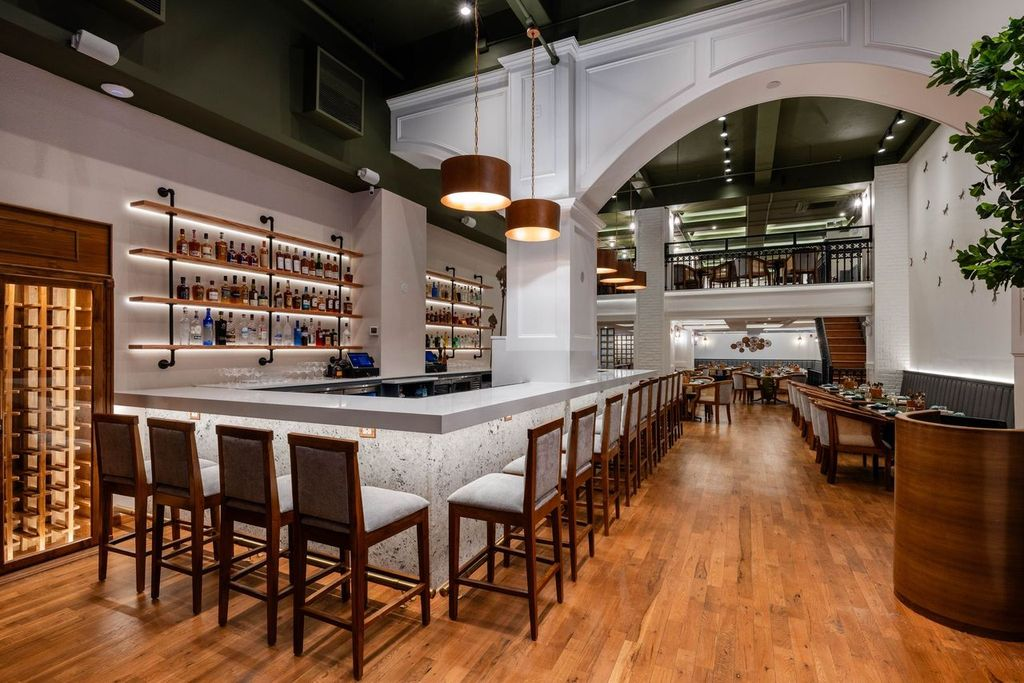
Visit Chatti at 252 W 37th Street, New York, New York
https://www.chattinewyork.com (212) 994-9599
A Taste of Kerala: Fish Pollichathu (Kerala Banana Leaf Fish)
Recipe Courtesy of Chatti Chef, Founder & Partner Regi Mathew
One of Kerala’s most treasured seafood dishes, Fish Pollichathu is traditionally prepared with karimeen (pearl spot fish), prized for its delicate balance of sweet freshwater and briny sea flavors. Wrapped in fragrant banana leaves and grilled until lightly charred, the fish gently steams in its own juices while absorbing the rich spices and the subtle aroma of the leaf.
Though pearl spot is the traditional choice, this recipe can be recreated at home using snapper, sea bass, halibut, cod, or any firm white fish fillet.
Serves: 2
Prep Time: 20 minutes
Cook Time: 20 minutes
Ingredients
- 2 firm white fish fillets (about 3½ ounces/100 g each)
- 2 tablespoons coconut oil, divided
- 1½ cups thinly sliced shallots
- 1 teaspoon chopped fresh ginger
- 1 teaspoon chopped garlic
- 10 fresh curry leaves
- ½ teaspoon ground turmeric
- ½ tablespoon ground coriander
- 2 tablespoons Kashmiri chili powder (or mild red chili powder)
- ½ teaspoon freshly ground black pepper, plus extra for garnish
- Salt, to taste
- 4 pieces Malabar tamarind (kodampuli)
- ½ cup warm water
- 2 banana leaves, large enough to wrap each fillet
Prepare the kodampuli
Place the Malabar tamarind in the warm water and soak for about 15 minutes. Remove the tamarind pieces and reserve the soaking liquid.
Prepare the masala
- Heat 1½ tablespoons coconut oil in a skillet over medium heat.
- Add the curry leaves, shallots, garlic, and ginger. Sauté until the shallots are soft and lightly golden.
- Reduce the heat and stir in the turmeric, coriander, chili powder, and black pepper. Cook for about 1 minute until fragrant.
- Pour in the reserved kodampuli water, season with salt, and simmer for about 5 minutes until the masala thickens slightly.
- Remove from the heat.
Cook the fish
- Lay a banana leaf on a clean work surface.
- Spread about 1 tablespoon of the prepared masala in the center.
- Place one fish fillet on top.
- Cover the fish with another tablespoon of the masala.
- Sprinkle lightly with black pepper and drizzle with the remaining coconut oil.
- Fold the banana leaf securely around the fish to form a neat parcel.
- Grill the parcel on a hot griddle or cast-iron skillet for about 8 minutes per side, or until the fish is cooked through and the banana leaf is lightly charred.
- Carefully unwrap and serve immediately.
“The banana leaf creates a second layer of flavor and aroma. It is one of the dishes that immediately reminds me of Kerala.” — Chef Regi Mathew
Chef’s tip
If using frozen banana leaves, briefly pass them over an open flame or dip them in hot water until they become soft and pliable. This prevents tearing while wrapping the fish and releases the leaf’s distinctive fragrance as it grills.
For the most authentic flavor, use Malabar tamarind (kodampuli) rather than regular tamarind paste. Its gentle smoky tang is one of the defining tastes of Kerala cuisine.
Pair it with
Fish Pollichathu is traditionally served with fermented rice, fragrant coconut rice, or warm flatbreads such as appam or chapati, perfect for soaking up the flavorful masala.
For a refreshing finish, enjoy it with chilled fresh coconut water or a lightly spiced tropical drink inspired by Kerala’s traditional toddy-shop culture, where simple food, lively conversation, and warm hospitality have long been part of every gathering.