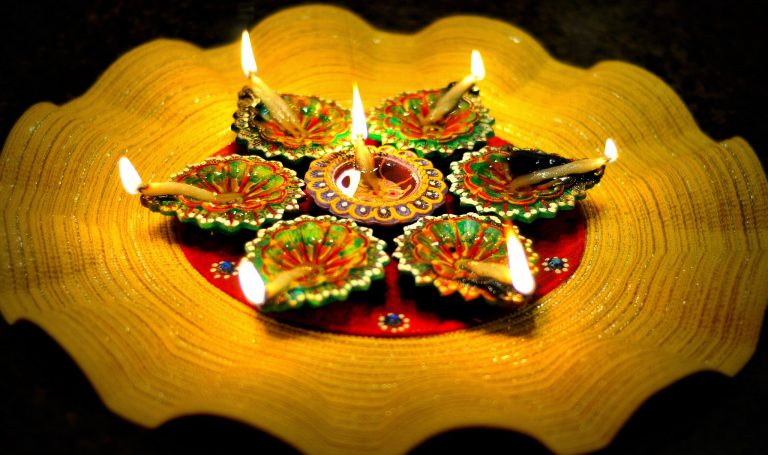
Diwali, also known as the Festival of Lights, is the most celebrated festivals in India, symbolizing the triumph of light over darkness, knowledge over ignorance, and good over evil. The word “Diwali” is derived from the Sanskrit word “Deepavali,” meaning “rows of lighted lamps,” a fitting description for a festival filled with colorful lights and lamps illuminating homes, streets, and public places.
Although primarily a Hindu holiday, the cultural customs and deep symbolic meaning of Diwali are widely appreciated and people from diverse backgrounds around the world join in the celebration.
Why Diwali is celebrated
Diwali has its origins in Hindu mythology and is connected to several legends and epics, each narrating the victory of good forces over evil. Among the most popular stories associated with Diwali is the tale from the ancient Hindu epic Ramayana.
According to this story, Diwali commemorates the return of Lord Rama, his wife Sita, and his brother Lakshmana to their kingdom of Ayodhya after a 14-year exile. During this exile, Lord Rama defeated the demon king Ravana, symbolizing the victory of virtue over vice. The people of Ayodhya welcomed their beloved prince and his family by lighting oil lamps, known as diyas, to guide them home, symbolizing the triumph of light over darkness.
In other parts of India, Diwali is linked with the worship of Goddess Lakshmi, the Hindu goddess of wealth, prosperity, and fortune. According to tradition, Diwali night marks the end of the harvest season, a time when farmers and families offer gratitude for a fruitful year and pray for prosperity in the coming year. Business people, in particular, consider this an auspicious time to start new ventures, as it symbolizes the beginning of a financial year for many.
Success
You are now signed up for our newsletter
Success
Check your email to complete sign up
The worship of Lakshmi, accompanied by rituals and prayers, seeks blessings for material and spiritual wealth, inviting positive energy and abundance into homes and workplaces.
Diwali also has significance in other religions, including Jainism, Sikhism, and Buddhism, albeit with different legends. For Jains, Diwali marks the spiritual liberation (nirvana) of Lord Mahavira, the last Jain Tirthankara. Sikhs celebrate Diwali as the day Guru Hargobind Ji, the sixth Sikh Guru, was released from imprisonment by the Mughal Emperor Jahangir. Each version of Diwali, though distinct, celebrates similar ideals: freedom, enlightenment, and the victory of righteousness.
Customs and symbolism of Diwali
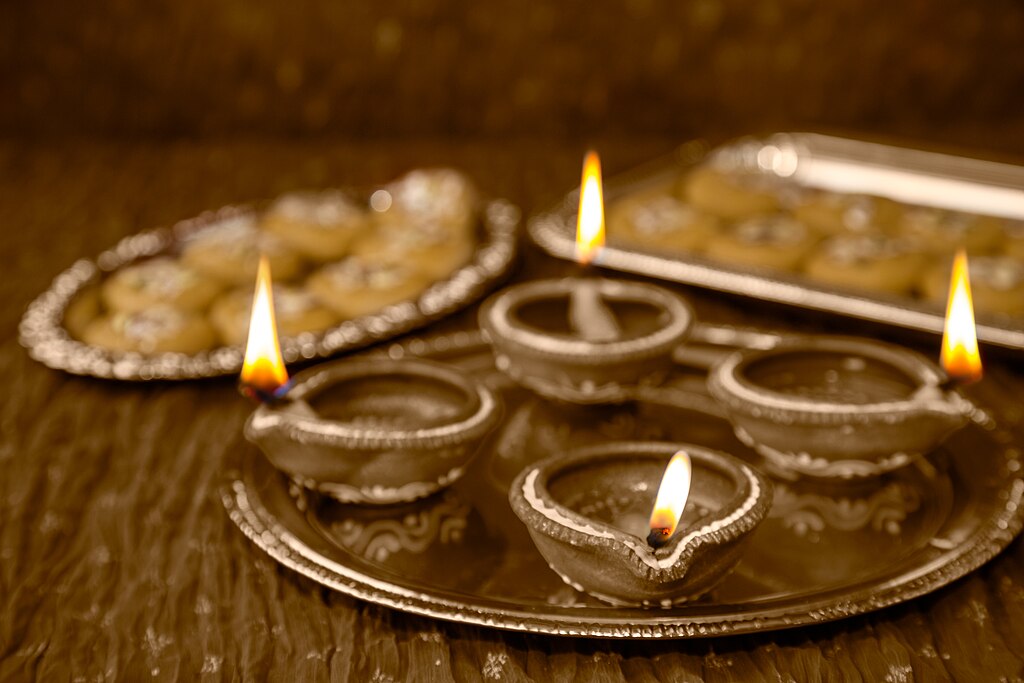
Diwali traditions, though varied, share common elements across regions and communities. These customs are often rooted in ancient practices, each bearing symbolic meanings that enhance the festival’s cultural and spiritual depth. Here are some key customs associated with Diwali:
Lighting diyas and candles
Lighting diyas (small oil lamps made of clay) is one of the most prominent traditions of Diwali. People illuminate their homes, gardens, and public spaces with rows of these lamps, often accompanied by colorful candles and electric lights. The act of lighting diyas symbolizes the victory of light over darkness, or pushing aside ignorance and negativity in favor of knowledge, wisdom, and spiritual awakening. Diyas are traditionally placed at entrances and windows to invite positivity and prosperity into the home and to dispel any negative energy.
Rangoli designs

Another notable Diwali tradition is the creation of rangoli, intricate patterns made on the floor near entrances using colored powders, rice, or flower petals. Rangoli designs vary in shape, complexity, and color but often depict traditional motifs like flowers, geometric shapes, and religious symbols. Rangoli serves both an aesthetic and symbolic function: it is thought to welcome the goddess Lakshmi and bring good fortune to the household. By decorating the entrance, people hope to invite prosperity and ward off negativity.
Worship of Goddess Lakshmi and Lord Ganesha
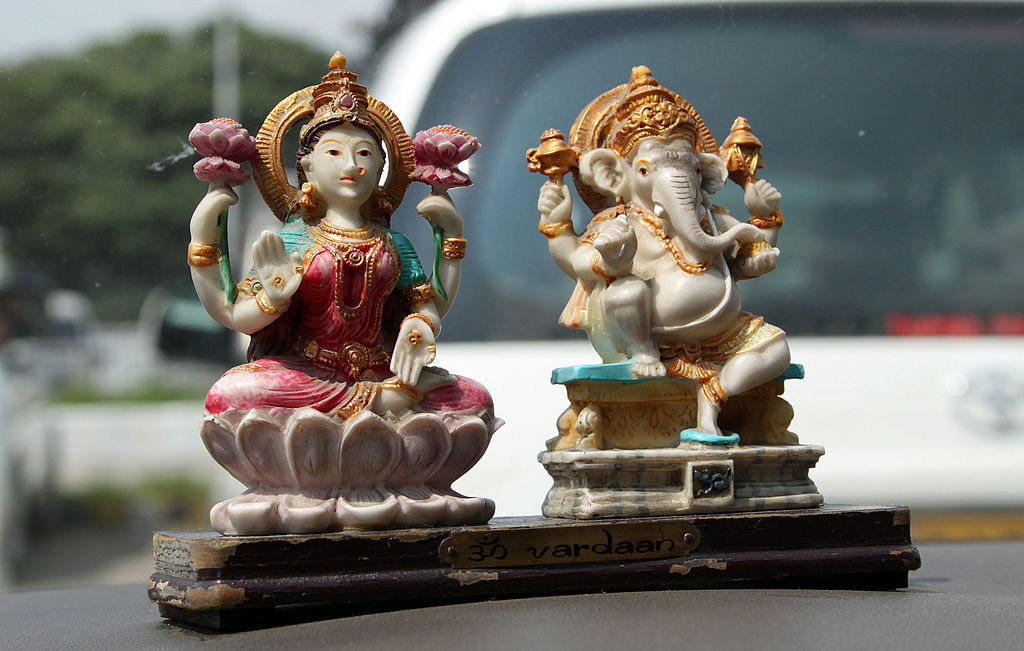
On the main day of Diwali, known as Lakshmi Puja, families gather to perform rituals and prayers dedicated to Goddess Lakshmi and Lord Ganesha. Lakshmi symbolizes wealth, prosperity, and abundance, while Ganesha, the elephant-headed god, is the remover of obstacles and the harbinger of good luck. The puja involves offering the deities flowers, sweets, and incense and reciting prayers for blessings. By seeking the favor of Lakshmi and Ganesha, people hope to attract both material wealth and the clarity to use it wisely.
Exchanging gifts and sweets
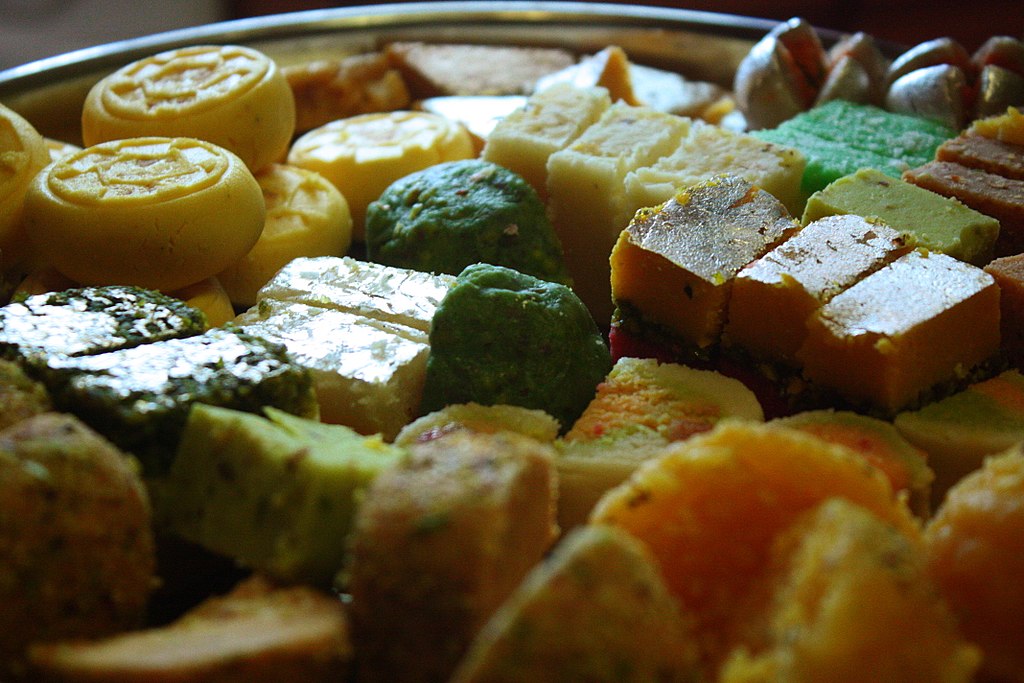
Diwali is a time of sharing and generosity, a sentiment expressed through the exchange of gifts and sweets among family, friends, and neighbors. Sweets, such as ladoos, barfis, and jalebis, are often homemade or bought specially for the occasion and are exchanged as symbols of goodwill, love, and unity. Gifts may also include traditional items like new clothes, jewelry, and household goods. The act of giving during Diwali emphasizes the importance of community bonds and the joy that comes from spreading happiness.
Fireworks and sparklers
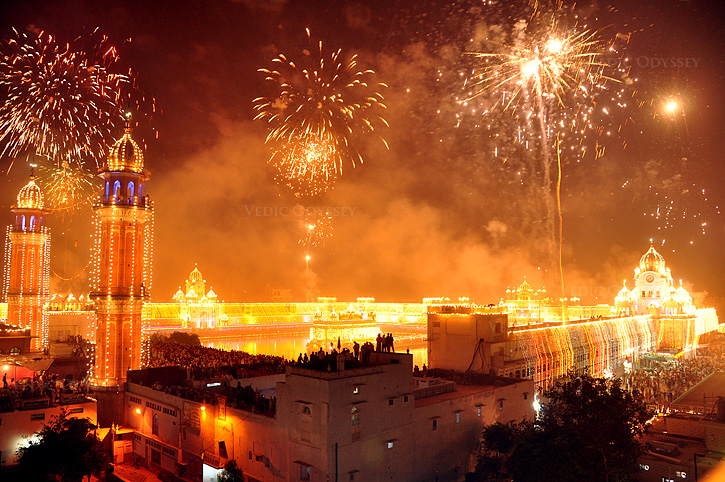
The custom of setting off fireworks and sparklers during Diwali is perhaps one of the most widely recognized aspects of the celebration. Fireworks illuminate the night sky and add a sense of festivity and excitement. Beyond their entertainment value, fireworks and the accompanying sounds are believed to drive away evil spirits and ward off negative influences. The lights and sounds serve as reminders of the cosmic battle between good and evil, celebrating the ultimate victory of righteousness.
Cleaning and decorating homes
A major part of Diwali preparations involves cleaning and decorating homes, a tradition rooted in the belief that Goddess Lakshmi favors clean and welcoming spaces. Families spend days cleaning, painting, and adorning their homes with fresh flowers, diyas, and decorative items. This practice symbolizes purity, renewal, and a fresh start, both physically and spiritually. It is believed that a well-kept home attracts positive energy, while decorations represent prosperity and the beauty of life.
New clothes and festive meals
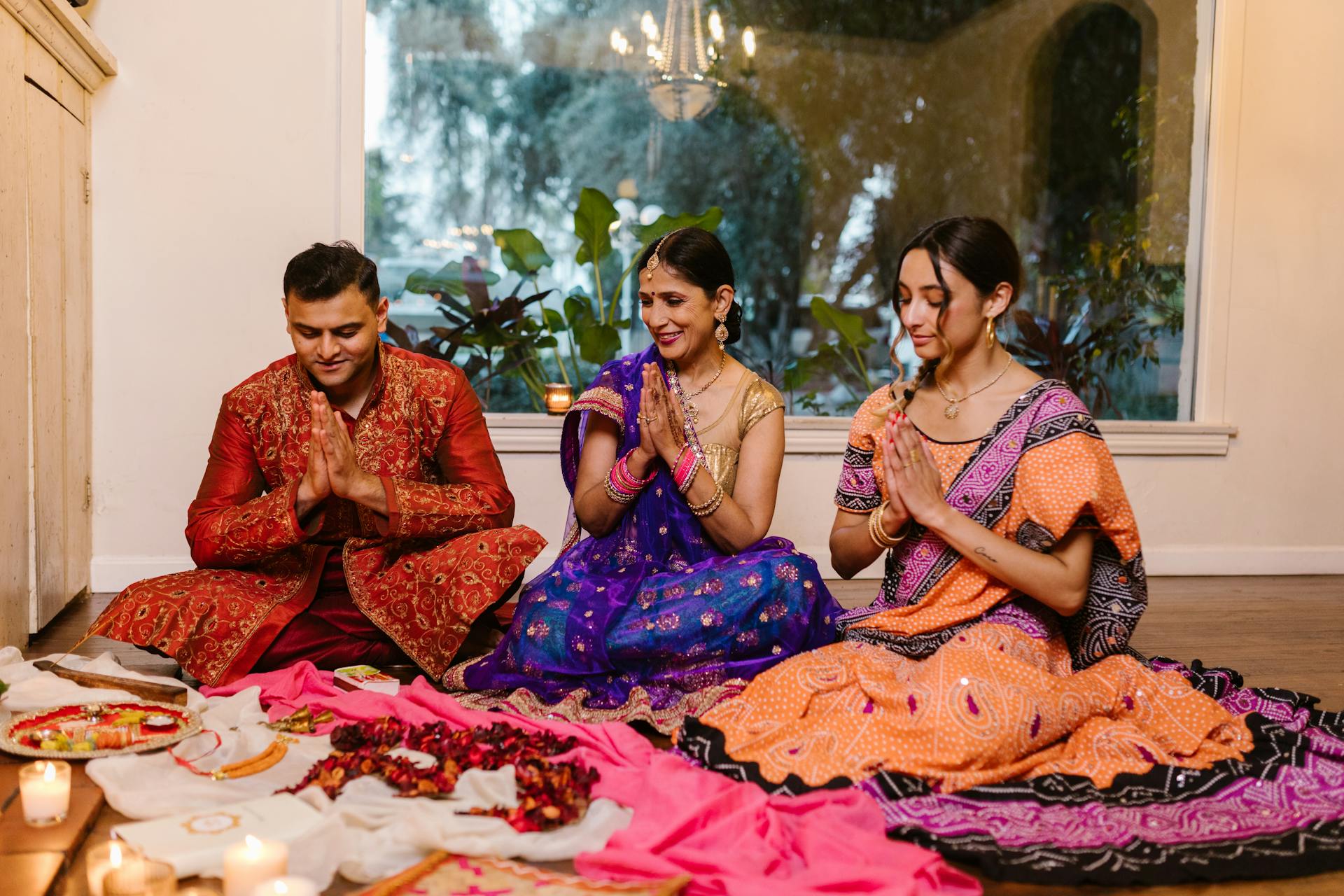
Wearing new clothes and preparing elaborate meals are central aspects of Diwali. Families often dress in traditional attire, symbolizing new beginnings and the shedding of past burdens. The meals prepared during Diwali are lavish and varied, featuring traditional dishes and sweets that reflect regional culinary styles. Sharing a meal with family and friends strengthens bonds, bringing people closer in unity, love, and gratitude.
The broader symbolism of Diwali
While Diwali’s customs reflect specific cultural practices, they collectively embody universal themes such as renewal, gratitude, and the triumph of good over evil. Each lamp lit on Diwali night is a metaphor for knowledge and enlightenment, a reminder that even in times of darkness, there is hope. The festival encourages individuals to reflect on their actions, renew their commitments to family and society, and seek the betterment of self and others.
Moreover, Diwali’s emphasis on togetherness and generosity reminds us of the value of community and the importance of lifting each other. Through its rich traditions, Diwali not only celebrates ancient legends but also reinforces values like compassion, integrity, and resilience. In a modern context, Diwali inspires people of all backgrounds to pause, connect, and appreciate the light within and around them, making it a truly timeless festival.