Published with permission from LuxuryWeb.com
The time most people buy sparkling wines is typically right before the winter holidays. It’s a way to celebrate the end of a challenging year or toast to the beginning of a new one filled with high hopes and expectations. To guide holiday shoppers, we publish our annual review of sparkling wines every November, highlighting selections that our “usual suspects” group of tasters enjoyed.
This year, we explored sparkling wines made in both the “Classic Method,” which is the same labor-intensive process used to make Champagne, and the “Charmat-Martinotti” method, used to produce Prosecco. We sampled both white and rosé versions from a wide range of regions around the world that now produce excellent sparkling wines.
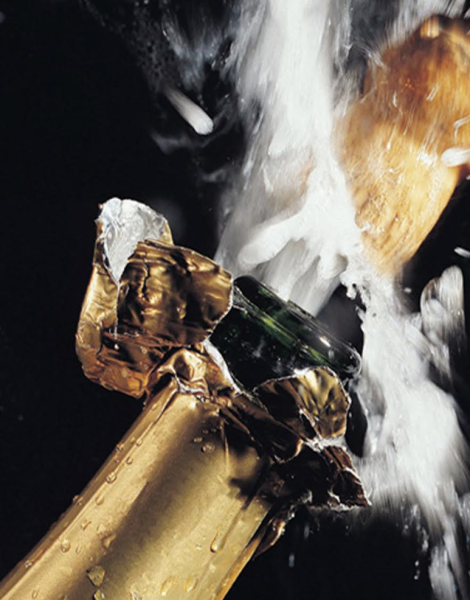
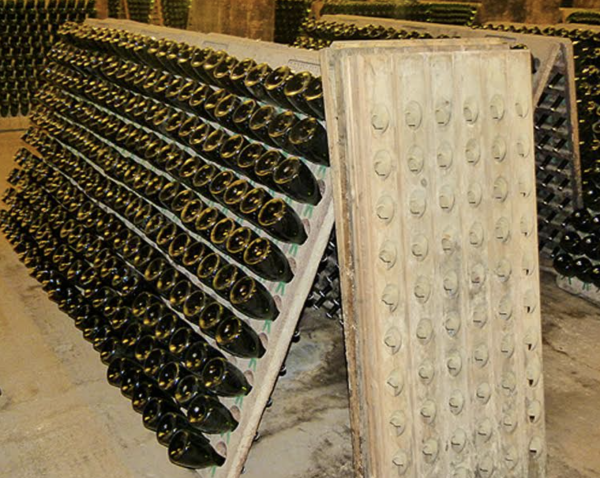
The Classic Method, or Méthode Champenoise, is highly labor-intensive, which increases the final price of the wine. Each bottle undergoes secondary fermentation to produce bubbles, and the aging process involves the winemaker and assistants turning each bottle by hand while it rests on special racks.
After aging, the temporary cork is removed, the fermentation debris is disgorged, and the final cork is applied — all done manually.
Success
You are now signed up for our newsletter
Success
Check your email to complete sign up
RELATED: Soaring Olive Oil Prices: What’s Driving the Surge and How It’s Impacting Consumers
The fermentation process
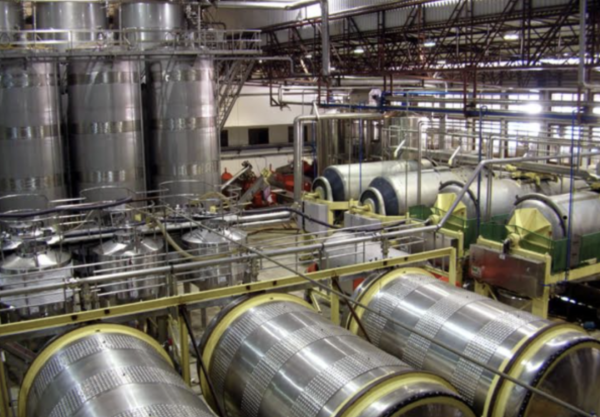
By contrast, the Charmat method can be mostly mechanized. The wine ferments in stainless steel vats, and the bottling process is streamlined, reducing production costs and, in turn, the final price. Importantly, one method isn’t necessarily better than the other. As far as we’re concerned, excellent, good, and poor wines exist in both methods.
Ultimately, though, it’s a matter of personal taste. The quality of any sparkling wine depends on vineyard soil, weather conditions during growth and harvest, the agronomist’s expertise, and the winemaker’s palate.
Generally, wines made with the Classic Method are drier, more structured, and complex, while Charmat wines are often less dry, sometimes demi-sec, and simpler. But remember, it all comes down to what you prefer—don’t let anyone tell you otherwise!
Our tasting lineup included sparkling wines from France, Italy, Germany, and Greece. We tried Albert Bichot’s Brut Réserve Crémant de Bourgogne and Ferrari’s Trento Brut Méthode Champenoise Rosé, both made using the Classic Method. While these wines can’t be called Champagne because they’re not from the Champagne region of France, they rival any true Champagne in quality.
From dry to fruity
We also enjoyed Aphrodise Rosé, a Greek sparkling wine made from Xinomavro grapes using the Charmat method. The Xinomavro grape is known for producing some of Greece’s finest red wines, particularly in Northern and Central Greece.
In addition, we sampled Loosen Brothers’ Dr. L Sparkling Riesling Sekt and Markus Molitor Brut from Germany’s Mosel area, both made using the Charmat method. Interestingly, the Bernkasteler region of Germany is one of the largest producers of sparkling wines!
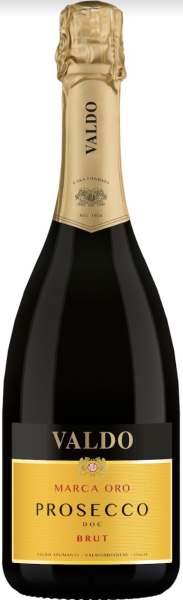
From Italy, we tried FIOL Prosecco, Valdo Marca Oro Prosecco, and Valdo Aquarius Extra Dry, Blanc de Blancs. The tasting took place in our friend Norma’s Manhattan apartment, where she graciously hosted us with a sumptuous meal — because, as we know from experience, never drink on an empty stomach! With 10 tasters participating, the wines and Norma’s hospitality were a hit.
RELATED: How Climate Change Is Unexpectedly Benefiting the Wine Industry
The results? Both Classic Method wines scored well: Bichot received 92 points, and Ferrari scored 93. The Charmat wines held their own, too, with scores of 89 points and above. The German Sekts each earned 91 points, and the Aphrodise Rosé scored 90. The Proseccos also impressed, with FIOL Prosecco standing out at 94 points, while the Valdo bottles scored 90 and 91 points each. The Valdo Aquarius bottle even received praise for its stunning design.
In the end, our group found all these sparkling wines delightful, and we hope you enjoy your bottles just as much as we did!
Visit LuxuryWeb.com to see the original article, and more.