In recent years, China’s rapid advancements in drone technology have revolutionized logistics in industries like food delivery, e-commerce, and ride-sharing services. But while these innovations bring about unmatched efficiency, they also pose rising threats to traditional roles that could now find themselves on the chopping block.
As drones become increasingly more dominant across industries, concerns over how this will impact future jobs and livelihoods are now rising sharply.
RELATED: East Coast Port Strikes Trigger a Supply Chain Crisis: 5 Key Takeaways
The disruption of delivery services
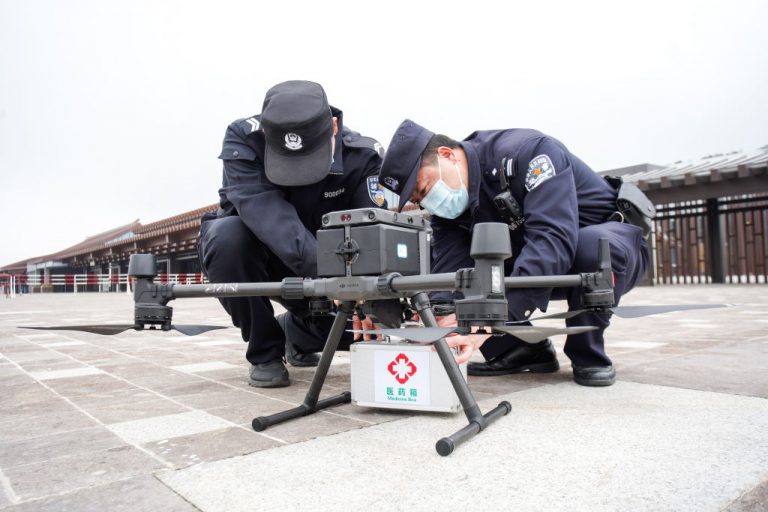
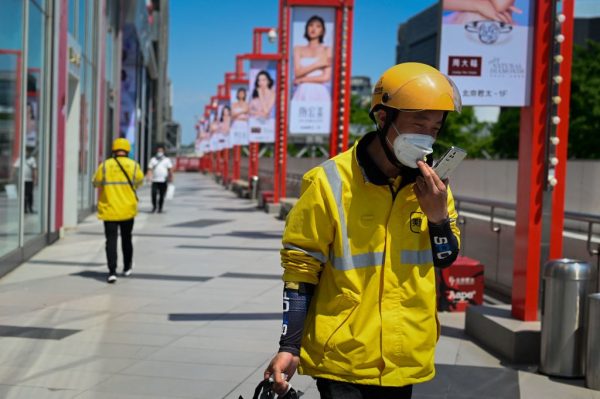
Drone food delivery has already gained traction in China, with companies like Meituan and Ele.me leading the charge. Since incorporating these cutting-edge devices, drones have redefined “fast food” by reducing delivery times to an average of just six minutes per order. They also minimize the risk of human error to ensure consistent and timely deliveries.
“With autonomous flight systems, delivery errors and delays are almost non-existent,” said a spokesperson from Meituan.
Success
You are now signed up for our newsletter
Success
Check your email to complete sign up
The company began experimenting with drone deliveries in 2017 and now operates across seven business districts in major cities like Shenzhen and Shanghai. By August 2023, Meituan drones had completed over 184,000 orders.
Similarly, drones have transformed the logistics industry. In the picturesque Yangcheng Lake, for example, SF Express drones carry fresh crabs directly from the lake to packaging centers in just five minutes — a task that traditionally took couriers an hour and a half. This efficiency not only enhances freshness but also reduces labor costs, signaling a clear shift in the logistics landscape.
RELATED: The Great Corporate Shift: 4 Reasons Why US Companies Are Pulling Out of China
Autonomous vehicles: replacing couriers and drivers
Beyond drones, autonomous vehicles are also redefining logistics in transportation. Companies like JD Logistics and SF Express have introduced driverless (also known as autonomous) delivery vehicles that outperform humans in speed and cost-efficiency. JD’s automated warehouses, equipped with 5G-enabled robots, process over 600 orders per hour — up to five times faster than manual operations.
Startups like Ninebot Intelligent Logistics have also begun deploying thousands of driverless delivery vehicles across nearly 100 cities in China.
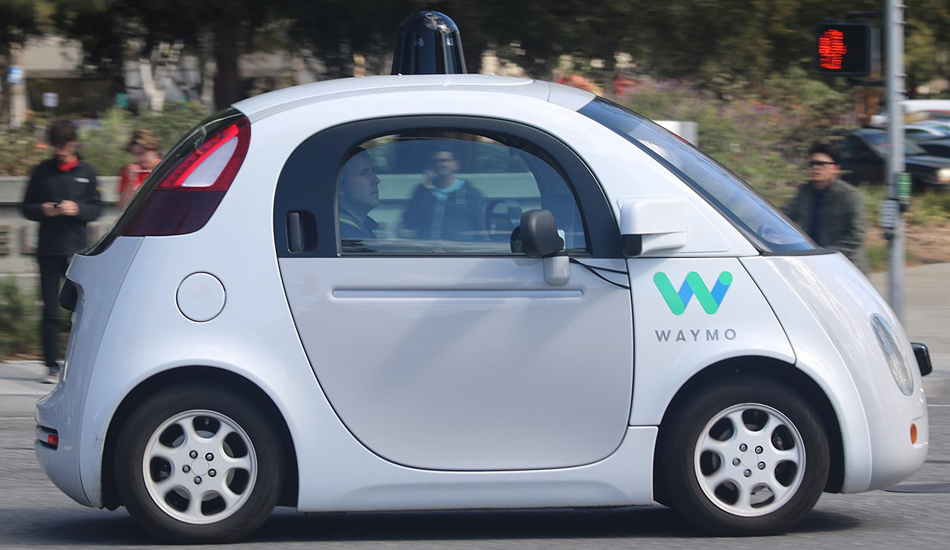
Now, the ride-hailing industry is also feeling the impact. Projects like Baidu’s “Apollo Go” have rolled out driverless taxis in cities like Wuhan, completing over five million orders with fares significantly lower than traditional rides. “A six-kilometer trip costs just four yuan, compared to 18 yuan for a regular taxi,” reported state-run paper Hubei Daily.
RELATED: By 2035, EV Charging Stations Will Use as Much Power as a Small Town
But passengers have, for the most part, praised the service for its affordability and convenience. “Why own a car when a 10-kilometer trip costs less than 4 yuan?” said one user on social media, while another commented, “It’s not just cheaper, it’s also safer and more efficient without the risk of reckless driving or detours.”
The human cost of automation
While these advancements undoubtedly increase speed and efficiency, they also come at a cost, experts note. The rise of automation threatens to displace millions of workers, said Professor Zhang Lu at Temple University in Pennsylvania.
“Expanding driverless technologies in a saturated ride-hailing market will undoubtedly exacerbate unemployment, worsening an already challenging job market,” said Lu, adding that the sentiment was echoed across affected industries, especially among delivery and taxi drivers.
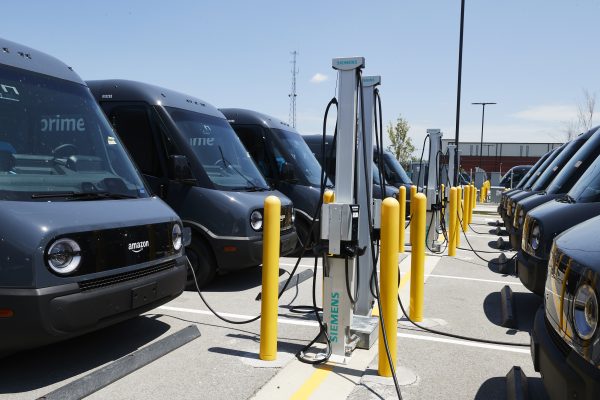
Many drivers — already struggling to make ends meet in an overly-saturated job market — have protested against the proliferation of autonomous vehicles. “Technology monopolizes resources and steals jobs from the working class,” said one taxi driver as he lamented how drones are “forcing many of us out of the industry.”
RELATED: 300 Million Jobs Threatened by Artificial Intelligence, Goldman Sachs Says
Labor unions and drivers are now urging government intervention to regulate the deployment of autonomous vehicles and provide tax relief for traditional operators. They have also called for limits on the number of driverless cars allowed on roads during trial phases, and for fairer policies offering alternatives or protections for those impacted.
Balancing progress and livelihoods
Despite the challenges, proponents argue that automation creates opportunities for new job roles, such as designers and maintenance engineers specializing in autonomous systems, which represent emerging fields.
But on the flip side, adapting to these changes requires workers to upskill — a daunting task for many. “In this rapidly evolving era, people must continuously upgrade their skills to avoid being left behind,” a New Life Experience Officer report suggested.
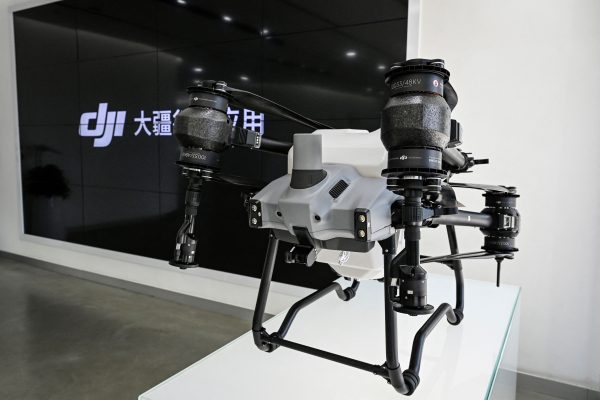
The broader implications of automation also extend beyond individual industries. In 2021, Ninebot co-founder Pan Yuchang highlighted the efficiency gains of autonomous vehicles.
“Short-haul logistics account for 60 percent of delivery costs, largely due to driver wages. Automation addresses this bottleneck as China’s workforce ages,” said Pan, adding that while such innovations reduce costs for businesses, they also “widen the gap” between tech advancements and new jobs.
A controversial outlook
The automation wave has even reached unexpected heights, literally. Local governments in China have begun monetizing airspace rights to support drone operations. In November, a county in Shandong Province sold a 30-year concession for “low-altitude economy” rights for nearly 1 billion yuan, sparking widespread criticism among workers and netizens.

As the Chinese governments prepares to enter what it calls a “low-altitude economy era,” experts predict drones will dominate various sectors, from tourism to agriculture. Yet, the societal costs of this transformation remain uncertain. The McKinsey Global Institute estimates that AI could replace over half of all jobs globally by 2060, with drivers and couriers among the first to be impacted.
RELATED: Desperate Times: China’s Youth Take to Social Media to Lament Skyrocketing Unemployment
If true, this would create a seismic shift in the global labor market, leaving millions of workers already struggling to secure employment scrambling to adapt. Critics also warn that without proactive measures, such as retraining programs and policies to mitigate job losses, the transition would only worsen the economic woes faced by everyday Chinese workers.
“Whether it’s land, water, or now airspace, these resources belong to the people, not the authorities selling them,” said a Wenxue City commentary, adding that such moves only aim to prioritize profit over the public good. “Technology should improve lives, not destroy them,” noted another user.