Uyghur activists in the U.S. are hailing the inclusion of several vital laws targeting the repression of their people in Communist China.
Passed by the U.S. Congress on Dec. 18 and signed by President Joe Biden on Dec. 22, the 2025 National Defense Authorization Act (NDAA) — 1,813 pages long — allowed the defense spending of $895 billion for the new year. More significantly, the bill also features other bills; one of which received praise from an Uyghur activist group.
The bill is the Uyghur Human Rights Policy Reauthorization Act of 2024, which aims to prolong the Uyghur Human Rights Policy Act, which would encourage sanctions against Chinese Communist Party (CCP) officials claimed to be responsible for the repression of Uyghurs in the Xinjiang Uyghur Autonomous Region (XUAR).
The 2024 act was co-sponsored by Republican Senator Marco Rubio of Florida, and Democratic Senator Jeff Merkley of Oregon.
The 2025 defense bill intensifies the crackdown on forced labor in China, prohibiting the U.S. military from using taxpayer funds to purchase any solar energy products manufactured in Xinjiang. This expands upon the 2021 Uyghur Forced Labor Prevention Act, which already banned the import of such goods into the United States.
Success
You are now signed up for our newsletter
Success
Check your email to complete sign up
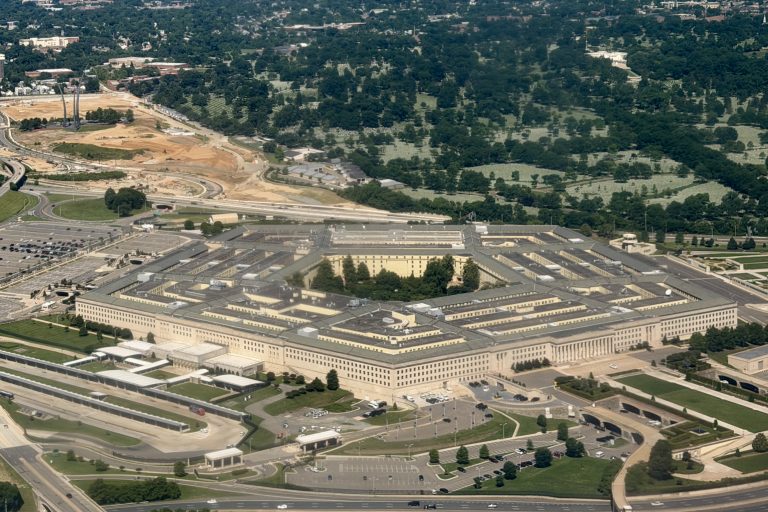
Furthermore, the bill mandates that the Pentagon determine whether it is providing seafood caught using Chinese forced labor, along with the implementation of strict measures to prevent such occurrences.
The new legislation is set to remain in effect until 2030, ensuring that the U.S. can slap sanctions on officials should they be found complict in the CCP’s genocidal policies againsts the Uyghur population.
Omer Kanat, executive director of the Uyghur Human Rights Project, said the bill was “a gift of hope for Uyghurs,” adding that the Uyghur people would have the support of Congress’s leaders to end the repression. He also shared his gratitude to both Republican and Democratic lawmakers for their united efforts against Beijing’s repression.
“Congressional leaders stand with the Uyghur people to dial up the pressure to end the atrocities in our homeland,” Kanat said in a statement. “We thank the Republicans and Democrats who came together in the House and the Senate… to ensure that sanctions continue.”
READ MORE:
- New Year Crackdown: Authorities in Shanghai Ban Mass Gatherings Amid Heightened Tensions
- Cyber Onslaught: Taiwan Hit With Nearly 1 Million Cyberattacks From China Per Month
- California Declares a State of Emergency After More Than 300 Dairy Herds Test Positive for Bird Flu
Call for action
As Donald Trump is about to assume the U.S. presidency, leaders in the Uyghur American community are hopeful that they can better spread the word of the Uyghurs’ plight in China. Previous measures started by the first Trump administration against China are encouraged by activists to be implemented again.
Nury Turkel, senior fellow at the Hudson Institute and former chairman of the U.S. Commission on International Religious Freedom, highlighted the broad bipartisan backing for Uyghur rights, emphasizing that the issues have strong support in both the legislative and executive branches.
“[Uyghur rights] concerns extend beyond typical human rights issues. They have profound national security implications tied to America’s long-term economic and strategic security,” Turkel told Voice of America (VOA).
“I am optimistic that the incoming administration will take concrete steps to address these urgent concerns affecting Uyghurs, as it had previously,” he added.