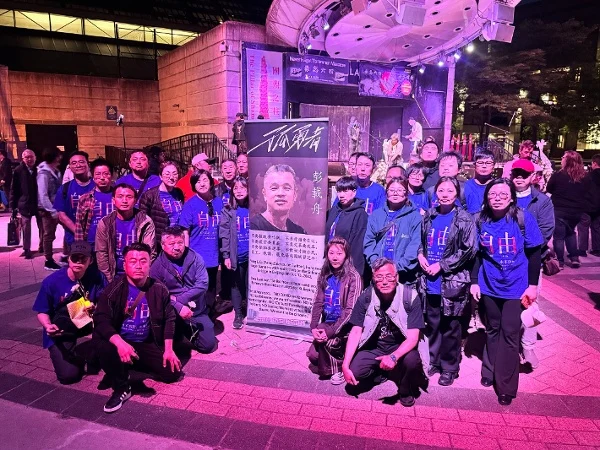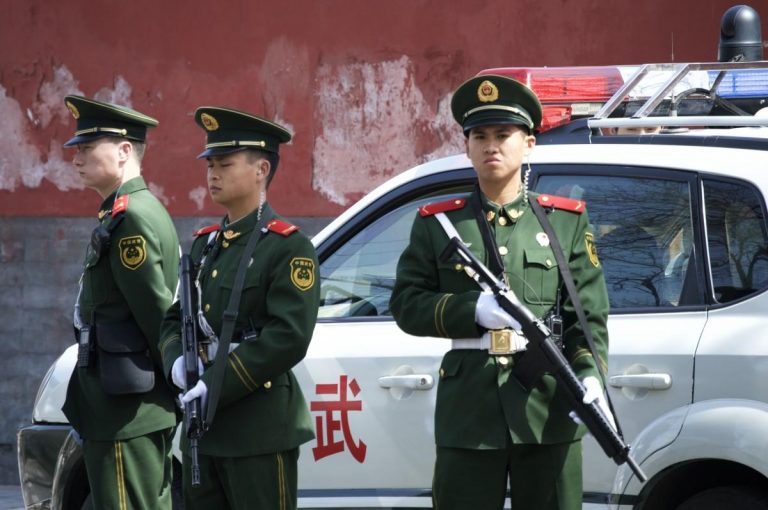
As the world prepares to usher in the new year with vibrant family gatherings and celebrations, China has decided on a very different approach.
Authorities in Shanghai — along with several other major cities — have banned New Year’s Eve gatherings and events, citing the need “maintain public order” and prevent potential unrest. The decision underscores the Chinese Communist Party’s (CCP) growing anxiety over public dissent and its tendency to see threats even where they do not exist — a situation described by the Chinese idiom “seeing enemies behind every blade of grass” (草木皆兵).
The crackdown comes just weeks before the Chinese New Year celebrations, which are set to begin on Jan. 29, 2025 — a sharp departure from the traditionally lively and family-oriented festivities that mark the holiday, especially in Asia.

No festivities, no crowds
In Shanghai, buzzling areas such as the Bund, North Bund, and Lujiazui that are usually crawling with visitors will not host light shows, countdowns, or other celebratory activities. Instead, the government has issued notices discouraging gatherings and promoting a subdued New Year.
Similar restrictions have been announced in cities like Nanjing, Guangzhou, and Changsha, where authorities have prohibited activities such as fireworks displays, the sale and release of balloons, and even the use of drones or sky lanterns without prior approval.

Success
You are now signed up for our newsletter
Success
Check your email to complete sign up
RELATED: Hundreds of Homeowners Protest Unfinished Developments in China Amid Police Crackdown
Diving into specifics, a directive for Nanjing’s bustling Xinjiekou and Baijiahu commercial districts explicitly stated that no New Year’s Eve countdowns would be organized, and that pedestrians were “forbidden” from gathering or walking on motorways. In Guangzhou, iconic locations such as the Canton Tower and Beijing Road pedestrian street will also remain silent and under heavy police presence. Local authorities are poised to enforce strict security measures, including temporary traffic controls, added the directive.
“Visitors are advised not to carry flammable items such as hydrogen balloons, and all unapproved drones or flying objects are prohibited,” said another public announcement in Guangzhou.
A somber new year
The wave of restrictions follows a broader directive from the CCP’s central leadership. A recent notice published by state-run outlet Xinhua News noted eight “key priorities” for the New Year period, including resolving social conflicts, enhancing emergency preparedness, and ensuring the smooth operation of all administrative functions. The document also called for “strengthening conflict resolution to ensure overall stability” and urged for more vigilance against unforeseen events, protests, or social unrest.

Observers have noted the government’s heightened sensitivity, with one netizen writing on social media, “The economic environment is worsening, and life in cities like Nanjing has already been stifling for over a year,” they wrote, adding, “It’s as if the government is desperately pushing people to revolt!”
RELATED: Chinese Crew Suspected of Sabotaging Undersea Baltic Telecom Cables
A nation on edge
The heavy-handed approach has sparked widespread criticism online. Many citizens view the clampdown as indicative of a regime increasingly out of touch with its citizens’ needs. “The CCP is schizophrenic — on one hand, they call for economic recovery, but on the other, they’re terrified of people gathering,” read one comment that had garnered a bunch of likes. “How much longer can this go on for?”
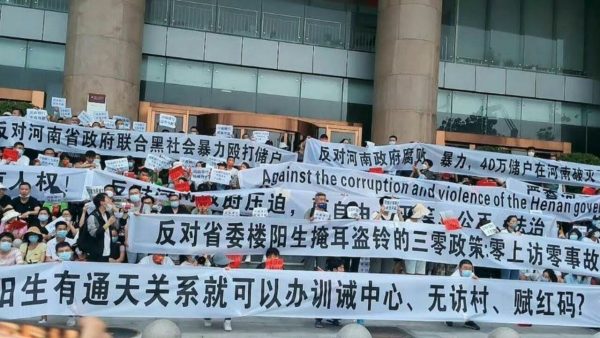
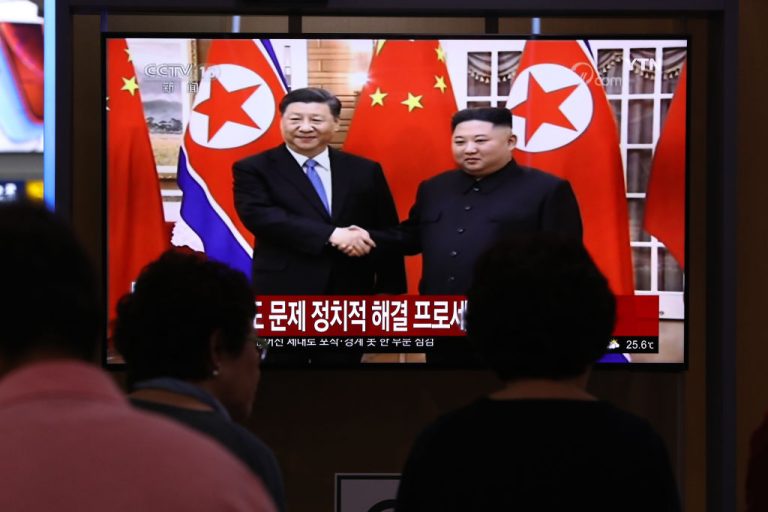
Others drew parallels to authoritarian regimes, with one user lamenting, “This is the accelerated North ‘Korea-fication’ of China. Constant lockdowns, now curfews — how far are we from the CCP’s downfall?”
“They fear even a simple celebration like New Year’s Eve could spark unrest,” added another netizen. “This shows just how fragile their grip on power has become.”
RELATED: The Silent Crisis: Pension Woes Mount in China Amid Sharp Decline in Elderly Care Facilities
‘China remains dark’
The restrictions mark the second consecutive year that the CCP has opted to cancel large-scale New Year’s Eve events. The decision reflects growing fears of unrest, especially among younger generations that are increasingly critical of the CCP’s over-reaching governance.
While speaking to Radio Free Asia (RFA), activist Jiang Yu said, “The CCP is terrified of crowds. More young people are waking up to the government’s incompetence,” he said, adding, “Political upheaval may only need one final push — a last straw to break the camel’s back.”
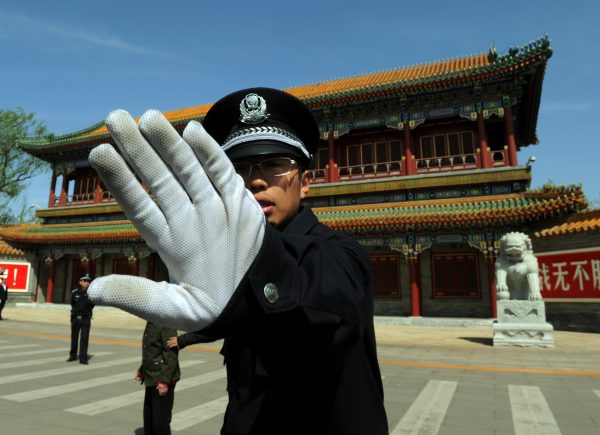
RELATED: CCP Shuts Down ‘Chaotic’ Online Commentary on China’s Poor Economic Predicament
The restrictions also stand in stark contrast to the rest of the world, where cities are preparing grand fireworks displays and light or drone shows. For many in China, the muted celebrations symbolize a deeper malaise. “The rest of the world will light up the night; China will remain dark,” said one comment that summarized the public’s sentiment.
As the clock ticks closer to 2025, China finds itself in a precarious position. The CCP’s increasingly repressive measures reflect a regime both hyper-vigilant and insecure. While the government may have succeeded in preventing gatherings this New Year, the underlying tensions continue to simmer, leaving many to wonder if the situation will escalate further in the coming months.
“This is a government that fears its people more than anything else. It’s a vicious cycle — one that only democracy can break,” said another commenter.