

By Babak Baniasadi, Vision Times contributor
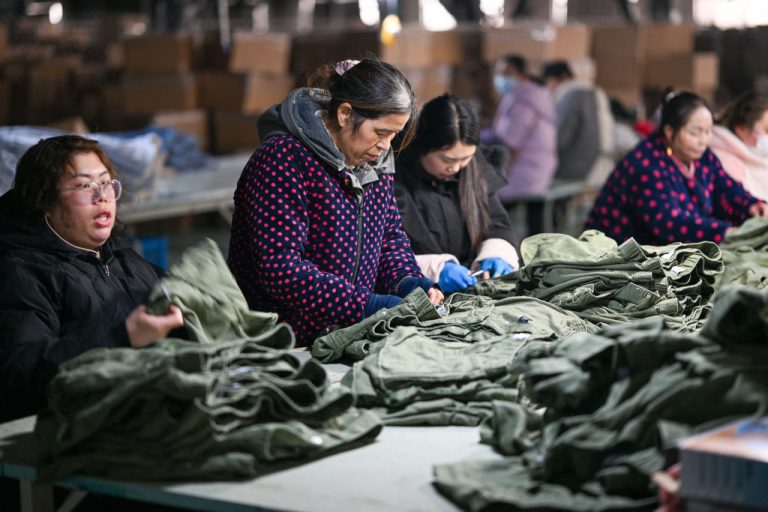
A thriving planet means clean rivers, healthy soil, and wildlife that isn’t gasping for survival. Sustainable fashion can help, but knowing what truly makes a difference can be overwhelming. Here’s one clear step: Stop buying clothes made in China.
Since its inception, the Chinese Communist Party (CCP) hasn’t just neglected the environment — it has been actively destroying it, and the consequences reach far beyond China’s borders. By choosing clothes from countries with stronger environmental standards — like the U.S., Europe, or India — or by embracing thrift shopping, you can break that cycle. This isn’t about preaching, it’s about making a choice that genuinely matters and hits home for so many.
RELATED: Dressing the Masses: How Fashion Has Been Used as a Tool of Control
No accident
China’s environmental crisis isn’t the result of carelessness — it’s a direct consequence of policy. As dictator Mao Zedong once declared, “Man must conquer nature,” and that ideology has driven the country’s environmental destruction ever since. The “Great Leap Forward” stripped forests bare and poisoned farmland with industrial runoff in a reckless pursuit of steel production.
Success
You are now signed up for our newsletter
Success
Check your email to complete sign up
In 2006, a CCP-run chemical plant dumped 100 tons of benzene into the Songhua River, poisoning water supplies for millions and sending toxic waste downstream to Russia. The CCP initially dismissed it as a “minor” incident—just one example of their long history of downplaying environmental disasters to save face.
Today, China is the world’s largest contributor to ocean plastic, dumping millions of tons into the sea each year, according to a 2021 UN Environment Programme report. This waste washes up on U.S. shores from California to the Gulf of Mexico. Soil contamination is another crisis: a 2014 government survey admitted that 19 percent of China’s farmland was tainted with heavy metals. By 2021, they claimed it had improved to 16-18 percent, but experts remain skeptical, given the CCP’s track record of manipulating data to appear more favorable.
And it’s not just the environment that’s taking the toll. Wildlife suffers, too. The Baiji Dolphin, once abundant in the Yangtze River, was declared extinct in 2006 — the first dolphin species wiped out entirely by human activity. Unregulated industrial pollution sealed its fate.
RELATED: Timeless Elegance: The Enduring Fashion Influence of Jackie, Diana, and Melania
Meanwhile, China’s Belt and Road Initiative spreads environmental destruction worldwide, funding coal plants and factories across Asia that worsen global air quality. A 2021 Clean Clothes Campaign report exposed Chinese textile plants dumping toxic dyes into the Pearl River, turning it into a wasteland. A U.S. official in 2020 called China’s environmental record “abysmal,” pointing out its impact on global ecosystems. This isn’t negligence — it’s a deliberate choice to prioritize power over planetary health.
How China’s environmental crisis affects the US
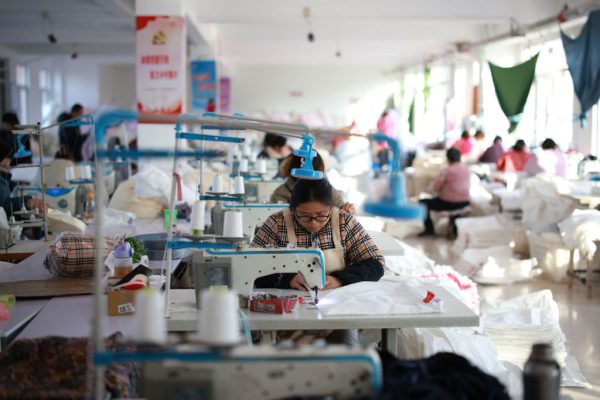
Fashion is a major polluter, responsible for 10 percent of global carbon emissions, according to the UN. China dominates textile manufacturing, producing about 40 percent of the world’s fabrics, per World Trade Organization data. But their reliance on coal-powered factories sends pollution across the Pacific. A 2017 NOAA study found that coal ash from Chinese factories contributes to smog spikes in U.S. states like Oregon and Washington.
Plastic microfibers from fast fashion — such as Shein’s disposable 10-wear clothing, cited in a 2021 Stand.Earth report — contaminate American beaches, poisoning marine life and, ultimately, our food supply.
The environmental damage isn’t limited to air and water. The 2006 Songhua River benzene spill sent chemical traces across the ocean, eventually reaching Alaskan waters. China’s soil contamination also affects U.S. consumers through imported grains, exposing Americans to toxins hidden in food products. Worse, the same pollution that drove the Baiji Dolphin to extinction disrupts aquatic food chains that help regulate regional climate patterns. This has ripple effects, even contributing to the extreme weather events now battering the American Midwest.
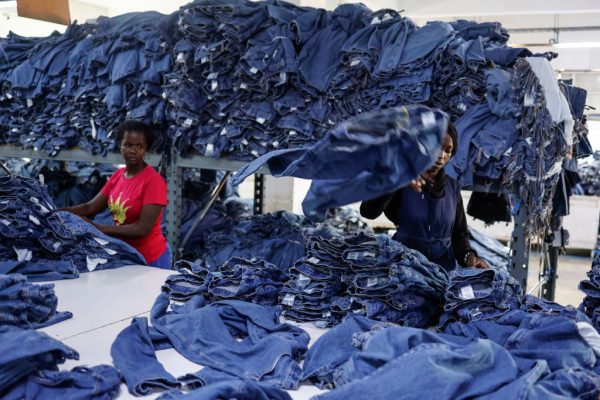
Every Chinese-made shirt fuels this system, leaving Americans to deal with the fallout — higher healthcare costs due to pollution, dying fisheries, and eroding coastlines. While the CCP bypasses environmental regulations to maximize profit, it’s U.S. consumers who end up paying the price.
RELATED: The Absurdity of Modern Fashion: Why It’s Time to Reclaim Real Beauty & Tradition
Smarter ways to shop
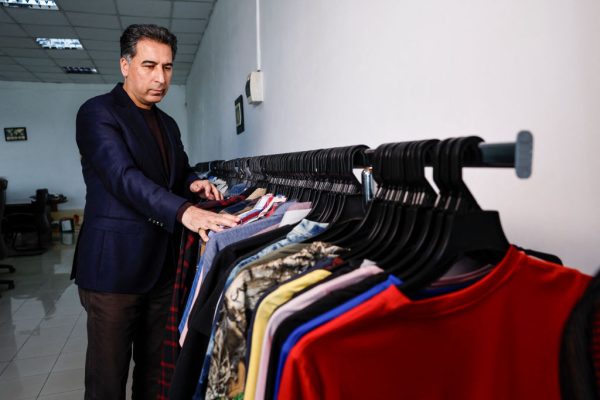
There’s a way out. Supporting brands that prioritize sustainability helps break the cycle. Patagonia, for example, sources local wool and recycled fibers under strict U.S. environmental guidelines. Sweden’s Filippa K crafts long-lasting apparel with sustainable cotton, audited under EU regulations. Portugal’s Tintex Textiles uses eco-friendly dyeing methods, while Spain’s Ecoalf transforms ocean plastic into high-quality outerwear.
India has also made significant strides. A 2023 report from India’s Ministry of Textiles revealed that the country reduced water consumption in key textile hubs by 20 percent — a stark contrast to China’s environmental destruction. While no system is perfect, these nations enforce transparency and accountability, unlike China’s opaque manufacturing practices.
Ethical employment is another consideration. The U.S. textile industry supports over 500,000 workers, according to the National Council of Textile Organizations. India’s massive textile sector offers fairer labor conditions than China’s exploitative factories while maintaining environmental safeguards. Choosing these alternatives means supporting cleaner production and responsible labor practices.
Simple steps that make a difference
Sustainable fashion doesn’t require a big budget. Thrifting is a powerful tool — secondhand shopping saved an estimated 1.6 million tons of emissions in 2022 alone, according to ThredUp. Buying secondhand not only reduces waste but also bypasses the need for new clothing manufactured under environmentally destructive conditions.
Repairing clothes is another simple yet effective strategy. Fixing a tear means one less piece of clothing feeding into China’s pollution-heavy industry. Consider the Huangpu River disaster in 2014 — factories dumped so much toxic dye into the water that it turned bright orange. The CCP downplayed the disaster, as they often do, but the damage was real. Every avoided purchase weakens their throwaway fast-fashion model.
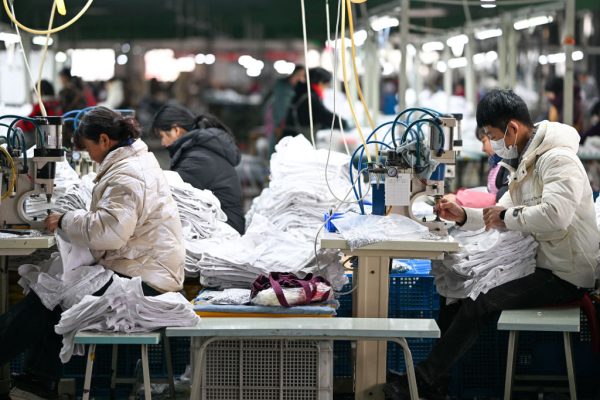
Checking labels and avoiding “Made in China” whenever possible also sends a powerful market signal. Many alternatives — such as clothes from Vietnam, Bangladesh, or Mexico — are similarly priced but come with far less environmental harm. Certifications like Global Organic Textile Standard and Fair Trade ensure basic environmental compliance, offering more transparency than China’s manufacturing sector ever has.
Social media is another tool for change. Highlighting sustainable brands, showcasing thrifted finds, and normalizing mending clothes help shift cultural attitudes. Ethical fashion influencers are already pushing major brands to clean up their supply chains, proving that collective consumer action makes a difference.
A choice that impacts everyone
Shopping smart isn’t about guilt — it’s about making informed choices that benefit our lives and futures. The CCP runs the world’s largest pollution machine, contaminating rivers, air, and food supplies that reach American shores. Their reported farmland pollution figures in 2021 were likely understated, yet even those numbers hint at the toxic products making their way into U.S. grocery stores. Their unchecked coal emissions? They end up in your lungs.
Every U.S.-made jacket, Swedish-crafted shirt, or Indian-woven scarf is a step away from environmental catastrophe. Thrifting, repairing, and choosing ethically made clothes aren’t just personal choices — they collectively push back against a system designed for unchecked destruction.
If you care about the planet and want to take action, this is a simple yet powerful move. The CCP’s environmental practices are a roadblock to sustainability, but conscious fashion choices provide an alternative path. Shop local, embrace secondhand, and repair what you own. These actions are accessible, effective, and protect the world we all share — one purchase at a time.







