On April 8, U.S. stocks rebounded following a steep multi-day decline, as foreign nations moved quickly to open negotiations with President Trump over his aggressive “reciprocal” tariff strategy.
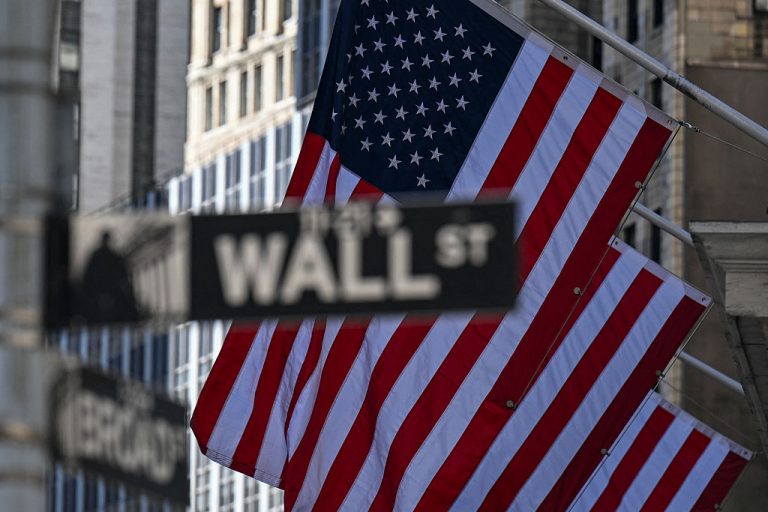
The Dow Jones Industrial Average soared 1,238 points or roughly 3.2 percent after shedding more than 3,500 points since last Wednesday as investor panic took over after Trump’s “Liberation Day” tariff strategy was announced.
The S&P 500 gained 3.3 percent while the Nasdaq 100 futures jumped 3.6 percent following news that a number of countries are clamoring to negotiate with the Trump administration regarding tariffs.
It’s been a volatile week after Trump unveiled his plan in a Rose Garden ceremony at the White House, where he unveiled his most aggressive tariff strategy yet, including a minimum 10 percent baseline tax on all goods from all countries coming into the United States.
Much harsher rates are scheduled to take effect on Wednesday.
Success
You are now signed up for our newsletter
Success
Check your email to complete sign up
Economists fear that tariffs could push inflation up as producers saddle consumers with the added cost while JPMorgan and Goldman Sachs raised their odds of the country entering a recession from 40 percent to 60 percent.
Markets recoiled after the Trump administration insisted that the tariffs would not be revoked anytime soon, and that it would leave the door open for countries to negotiate.
RELATED:
- Nations, Markets Brace as Trump Announces ‘Liberation Day’ US Global Tariffs
- Japan an ‘Indispensable Partner in Deterring Communist Chinese Military Aggression’: US Defense Secretary Hegseth
Countries clamor to negotiate
According to a post by Trump on his social media platform, Truth Social, one of the first countries to reach out to negotiate was Japan, led by Prime Minister Shigeru Ishiba.
Japan, which is staring down a 24 percent tariff on all exports to the U.S., was immediately assigned a trade representative to “open negotiations” with Ishiba, according to comments made by Treasury Secretary Scott Bessent.
“Japan remains among America’s closest allies, and I look forward to our upcoming productive engagement regarding tariffs, non-tariff trade barriers, currency issues, and government subsidies,” Bessent posted to X.
Indonesia, which is slated to be slapped with a 32 percent tariff, was also eager to begin negotiations ahead of the tariffs taking effect on Wednesday.
The country is sending a high-level delegation to the U.S. next week, seeking to make a deal and has already made a few concessions, including promising to buy more from the U.S. and lowering their own import taxes.
Indonesia says it also plans to lower tariffs on steel, mining products, and health equipment from the United States and will eliminate tariffs for other countries on products including electronics, mobile phones, and laptops, Indonesia’s Finance Minister, Sri Mulyani Indrawati said according to the New York Post.
Indonesia has hinted that they would be interested in becoming a major source of imports into the United States, replacing communist countries such as China and Vietnam.