By Li Muzi and Janet Huang, Vision Times
In a fresh attempt to reshape China’s global image, the Chinese Communist Party (CCP) is ramping up efforts to enlist high-profile foreign influencers as part of its external propaganda strategy. Following the viral visit of American streamer IShowSpeed earlier this year, China is now preparing to host two of the world’s most-followed social media personalities: MrBeast from the U.S. and Khaby Lame from Italy.
According to “Sing Tao Daily,” citing “China Newsweek,” MrBeast — whose YouTube channel ranks among the most-subscribed globally — is scheduled to visit China in the fourth quarter of 2025 to film a large-scale entertainment program. Meanwhile, Khaby Lame, famous for his silent comedy and massive TikTok following, is slated to livestream on Chinese platforms in July before embarking on a promotional tour across the country.
From livestreams to loyalty
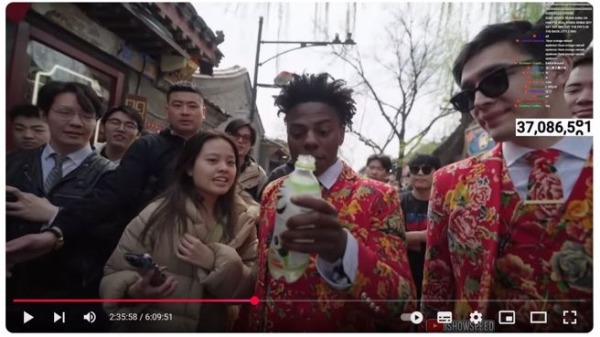
The initiative follows a high-profile visit by IShowSpeed, dubbed “Hyperthyroid Brother” by Chinese netizens for his energetic on-screen presence. Over 17 days, the American influencer toured eight Chinese cities, hosted eight livestreams, and drew an average of 8.2 million viewers per stream. Related video content has since garnered more than 2 billion views.
Analysts say this media strategy reflects a shift away from traditional state messaging toward leveraging the authenticity and massive reach of Western content creators. “Rather than telling China’s story through official channels, Beijing is now outsourcing the message,” “Sing Tao” noted.
Success
You are now signed up for our newsletter
Success
Check your email to complete sign up
“By inviting influential foreign voices — especially Key Opinion Leaders (KOLs) from Europe and North America — to experience and portray China firsthand, the government aims to reach overseas youth through more relatable and persuasive narratives.”
Tapping MrBeast and Khaby Lame
MrBeast, known for his elaborate, high-budget videos and philanthropic challenges, commands a global audience of 600 million. Khaby Lame, a Senegalese-born Italian star with 259 million followers, became a sensation through his deadpan reaction videos — marked by expressive shrugs and comedic simplicity.
Beyond courting mega-influencers, Chinese authorities have also launched an initiative targeting mid-tier content creators. As part of the “China–Global Youth Influencer Exchange Program,” the government is covering the full cost of a 10-day trip for young American influencers with at least 300,000 followers. These creators will visit cities like Beijing, Suzhou, Shanghai, Shenzhen, and Handan.
The itinerary includes tours of China’s booming e-commerce hubs and visits to companies such as Xiaohongshu (RED) and BYD. Participants will also engage in cultural activities like tai chi lessons and livestreams from the Great Wall. The content — co-produced by Chinese and American influencers — is then promoted through official state media channels.
The mid-tier influencer pipeline
According to “China Youth Daily” and other state-run outlets, the campaign aims to shape international public opinion by allowing foreign creators to “experience the real China” and share positive impressions with their audiences.
This is not China’s first attempt to influence young Americans through curated experiences. A March 2025 report by “Voice of America” revealed that students from Duke University, Columbia University, and the University of Michigan had participated in a weeklong “China Exchange Camp” organized by the Jiangsu provincial government. The trip was entirely subsidized, with each student receiving $2,000 to cover round-trip airfare.
These well-funded efforts reflect a propaganda playbook that now favors foreign influencers over official spokespeople in shaping global perceptions — especially among younger overseas audiences.
‘China exchange camp’
Kyle Abrahm, a Duke University student who joined the “China Exchange Camp,” said the trip’s purpose quickly became clear. “After receiving the itinerary and other travel details,” he told “Voice of America,” “it was obvious this was more about propaganda than our development.”
Abrahm described tightly curated experiences and carefully scripted appearances. “The Chinese guides constantly made comparisons with the United States, often to highlight China in a favorable light,” he said.
Another Duke student, Matthew Rodriguez, echoed that concern. “China is a one-party state. It’s effectively a one-party society,” he said. “Everything we saw on this trip was carefully designed to serve the interests of the Chinese Communist Party.”
RELATED: US State Secretary Rubio to China’s Wang Yi: Trump-Xi Meeting to Occur Under ‘the right atmosphere’
As more American students prepare to visit China under similar government-backed initiatives, critics are urging universities to be more transparent. Schools, they say, have a responsibility to inform students that “you’re going there to help the Chinese Communist Party improve its image.”
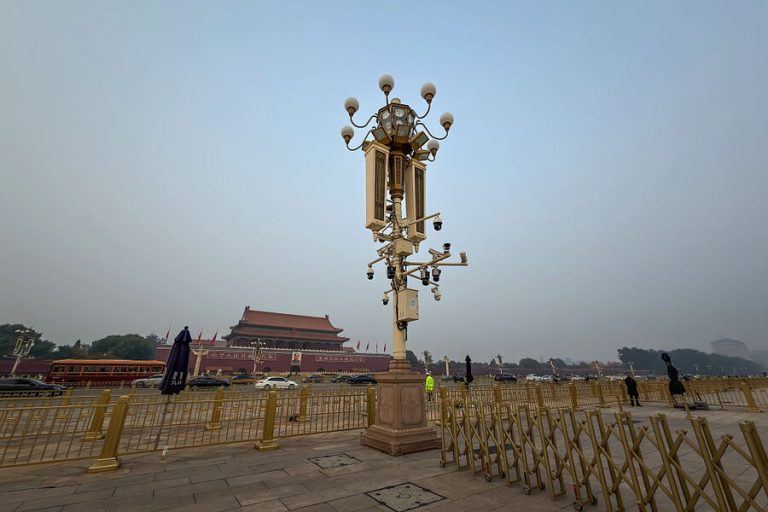
Meanwhile, online users have been quick to scrutinize the influencer tours, including IShowSpeed’s. Netizens pointed out glaring omissions in his itinerary. “No visit to Xinjiang, Tibet, detention centers, ‘relief shelters,’ Inner Mongolia, or the chained woman in Jiangsu. No meetings with 709 human rights lawyers, no trips to Hegang, under-bridge dwellers, or dawn labor markets. He didn’t see the 996 office culture, 997 factory shifts, secondhand iPhones in Huaqiangbei, roadside barbecues, prefab food deliveries, or the somber atmosphere of Tiananmen Square…”
The campaign reflects the Party’s growing recognition of influencer culture as a potent tool for soft power — and underscores Beijing’s ambition to rebrand itself on the global stage amid mounting scrutiny and skepticism.