By Babak Baniasadi, Vision Times contributor
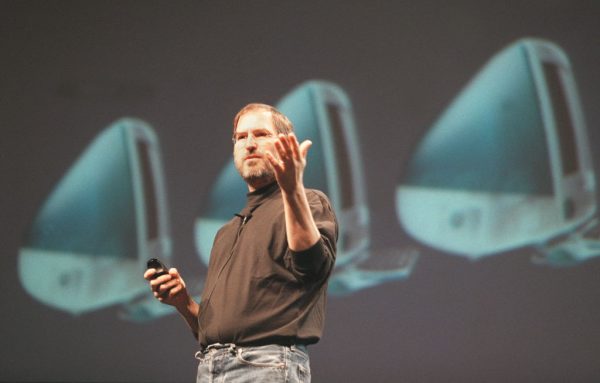
In 1998, Steve Jobs walked onto the Apple stage dressed in a black turtleneck, blue jeans, and sneakers. Many times, he skipped even wearing a belt. The crowd buzzed with excitement at the product launch. Jobs didn’t look like the typical CEO in a stiff suit and tie like the executives over at Microsoft.
His outfit signaled something different — he was a thinker, a builder, someone too focused on reshaping the world to follow fashion etiquette.
This “Einstein look” wasn’t just a personal preference — it was a quiet rebellion against corporate conformity. Jobs’ clothes told the world he cared more about ideas than boardroom impressions. That moment planted a seed, one that would go on to change how people — especially the wealthy — project status, from Silicon Valley boardrooms to streetwear racks.
RELATED: When Fashion Loses Its Thread: From Woke Aesthetics to Enduring Beauty
The rise of ‘quiet luxury’
Success
You are now signed up for our newsletter
Success
Check your email to complete sign up
Jobs’ approach caught on. It wasn’t just about looking casual — it was about looking effortlessly expensive. By the 2010s, tech billionaires like Mark Zuckerberg took the idea further. Zuckerberg wore plain gray t-shirts and hoodies, but they were far from ordinary. His custom Brunello Cucinelli tees reportedly cost $300 to $400 each.
This was “quiet luxury” — wealth expressed through high-end simplicity, not flashy logos. No gold chains or blingy designer prints screaming for attention. Instead, the new power move was subtle, high-quality basics that whispered exclusivity. The aesthetic suited the tech world: Intellectual, innovative, and above outdated status symbols.
RELATED: Faith Without Force: Why Religious Dress Should Remain a Matter of Choice
And people took notice. Even those who couldn’t afford $400 shirts tried to emulate the look. The message was clear: you didn’t need a suit or loud branding to look important—minimalism had power. Fashion houses took note. Soon, expensive basics filled shelves, with a plain white tee costing hundreds while similar versions sold at regular stores for $10. Supposedly, the higher cost came from better fabrics and fit, but often it was just about exclusivity.
The new “cool” was effortlessness—looking simple but signaling wealth. Jobs’ anti-suit uniform had sparked a full-blown fashion revolution, leaving traditional luxury brands scrambling to adapt.
The Gen Z twist
Then came Gen Z, and the rules shifted again. Born between 1997 and 2012, this generation doesn’t care much for traditional luxury. Even though they notice $400 t-shirts and designer brands, they aren’t buying into the hype. Financial anxiety looms large — Gen Z feels more economic pressure than any previous generation.
Social media plays a massive role in how they express themselves. On TikTok and Instagram, trends move fast, and Gen Z chases styles that are cheap, expressive, and often unique.
RELATED: Style, Status, and Strain: How Fashion Profits From Black Culture — and What It Costs
Research shows that younger buyers are more likely to flock to resale platforms like Depop and Poshmark, where second-hand finds and dupes — affordable lookalikes of luxury items — reign supreme. The resale market is expected to balloon to $40 billion by 2027, fueled largely by Gen Z’s bargain hunting.
And this shift is shaking up the industry. Luxury brands are feeling the impact. Chanel, for example, took legal action in 2023 against reseller “What Goes Around Comes Around,” in a fight to maintain brand exclusivity.
Meanwhile, conglomerates like Kering, which owns Gucci, reported slowing sales in 2022 — especially in markets like China, where younger buyers weren’t interested in shelling out for traditional luxury goods. At the same time, fast fashion giants like Shein soared, pulling in $32.5 billion in 2024. A staggering 62 percent of Gen Z shopped monthly for cheap, trendy outfits — most made with synthetic materials and toxic dyes or parebens.
RELATED: ‘Never Make a Deal With the Devil’: How the CCP’s Trade War Is Costing American Consumers
They mix $10 dupes with thrifted designer gems, rejecting the idea that luxury must be new or ultra-pricey. Some brands are learning to adapt. Miu Miu saw a 58 percent sales spike in 2023 by embracing social media trends and using livestreams to target and sell directly to Gen Z.
Louis Vuitton and Burberry are also jumping on TikTok and other social media platforms in efforts to engage younger shoppers. But others struggle to keep pace. Brands still clinging to big logos and high prices are finding themselves out of sync. Gen Z’s new values — affordability, self-expression, and individuality — are rewriting luxury’s playbook.
A new playing field
That one moment in 1998, when Steve Jobs walked out in a turtleneck and jeans, triggered a fashion evolution. His anti-corporate look inspired quiet luxury — where understated basics signaled immense wealth. But Gen Z flipped the script again. They rejected the hefty price tags, chasing second-hand steals and stylish dupes instead.
RELATED: Timeless Elegance: The Enduring Fashion Influence of Jackie, Diana, and Melania
“For Gen Z, it’s not about flashy wealth or exclusivity, it’s about emotional honesty, self-acceptance and depth. We’re drawn to things that feel soulful, not status-y,” says founder of eponymous fragrance brand Oscar Emil.
Luxury labels that couldn’t pivot — like Kering — are feeling the pressure, while resale platforms and fast fashion empires thrive. One man’s outfit ignited a revolution, and now a generation’s shopping habits are remaking the industry. If high-end fashion wants to survive, it must meet Gen Z where they are: online, authentic, and affordable. Loud logos are fading — and perhaps so are boardroom suits.
It begs the question: Are we inching closer to the fashion future imagined in sci-fi films and ’70s sitcoms — where everyone wears the same jumpsuit and boots, and only color distinguishes your role?