On July 20, a coordinated cyber-attack against Gan Jing World, a New York-based video-sharing platform known for upholding free speech, took place, the outlet says. The digital onslaught disrupted commemorative content for the 26th anniversary of the Chinese Communist Party’s (CCP) brutal persecution of Falun Gong, marking yet another troubling instance of Beijing’s transnational repression campaign reaching beyond China’s borders.
From 9 a.m. to 3 p.m. EST, a barrage of hate-filled comments poured into the platform’s streaming services, says Gan Jing World. These messages — many of which were posted by fake accounts suspected of having links to the CCP — were part of a deliberate effort to derail viewership and suppress content honoring Falun Gong’s peaceful resistance against state persecution.
Suspicious accounts tied to the CCP
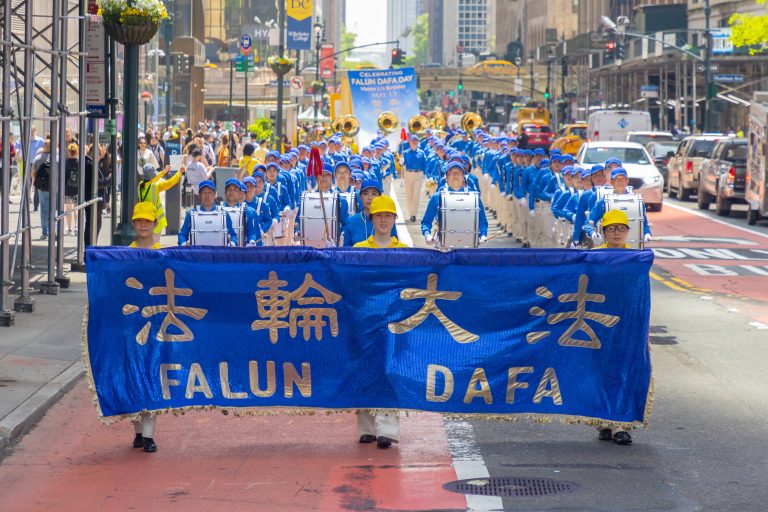
The attacks specifically targeted Gan Jing World’s special feature titled: “July 20: A Film Tribute to Falun Gong Resisting Persecution and Defending Freedom”, which included the Oscar-nominated documentary “Letter From Masanjia.” In addition, livestreams of Falun Gong practitioners’ rallies and parades — held to mark the anniversary of the CCP’s persecution against the practice — were also targeted.

Falun Gong, also known as Falun Dafa, is a spiritual discipline rooted in the principles of truthfulness, compassion, and tolerance. It also incorporates meditation exercises and moral teachings to elevate the moral standing of practitioners. Despite being peaceful in nature, the CCP launched a large-scale suppression of the group in 1999 after seeing its popularity, which was estimated at 70 to 100 million practitioners, as a threat to its authoritarian control. The persecution has continued unabated for over two decades.
RELATED: Falun Gong Commemorates 26th Anniversary of Persecution; Political Leaders Voice Support
Success
You are now signed up for our newsletter
Success
Check your email to complete sign up
Gan Jing World swiftly removed the abusive comments and has since collected data on the coordinated activity. “The platform has collected information on the fake accounts and email addresses associated with the hate content and will submit it to law enforcement for further action,” the company said in a statement released on July 22.

A threat on American soil
The timing and scale of the attack suggest a calculated attempt by Beijing to drown out dissent and manipulate international perception. The accounts behind the hateful comments were traced to have been mass-created between July 7 and July 14 — just days ahead of the persecution’s anniversary.
Though the comments were written in Traditional Chinese, a closer technical analysis exposed that the accounts were actually configured in Simplified Chinese — commonly used in mainland China — and funneled through Taiwanese IPs using VPNs. The usernames also mimicked identities from Taiwan, Southeast Asia, or Western countries in what appears to be an effort to obfuscate their true origin.

This strategy of disguising propaganda under the cloak of foreign identities aligns with known CCP disinformation efforts, such as the so-called “Spamouflage” campaigns, which use bot networks and fabricated personas to spread false narratives and attack dissenting voices abroad.
RELATED: Congressional Candidates for Virginia Address China’s Transnational Repression in the US
‘Silencing free expression’
Now, Gan Jing World is sounding the alarm, calling the incident “part of the CCP’s broader campaign to silence free expression beyond China’s borders — and to take it seriously.” The platform urged both the American public and policymakers to recognize the event as a direct extension of Beijing’s authoritarian control tactics that now span the digital realm.
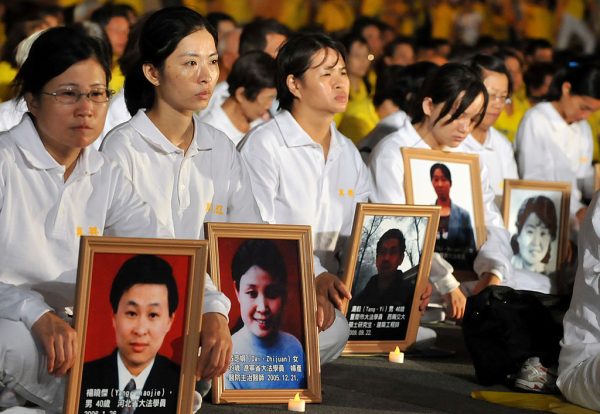
“This is not the first time Gan Jing World has been targeted; a similar attack occurred on July 20, 2023,” the platform stated, noting that the date itself has long been a sensitive one for the CCP. July 20, 1999, is when the Chinese regime launched a full-scale crackdown against Falun Gong. Since then, thousands of adherents have been arrested, tortured, or disappeared in China.
The annual commemorations on July 20 are solemn yet powerful reminders of these atrocities, and Gan Jing World has emerged as a safe space for practitioners and advocates to share testimonies, films, and messages under hashtags such as #720 and #July20Rally. But this year’s cyber-attack sought to silence those voices once again.
The stakes for digital freedom, human rights
What makes the attack particularly egregious is its clear violation of U.S. sovereignty and digital freedom. Though the aggression was executed through online platforms, its impact is no less real than physical interference. Targeting a U.S.-based company and its users for hosting content critical of a foreign regime raises serious questions about the limits of China’s reach — and the global community’s response.

Gan Jing World was founded in 2022 with a mission to promote “Technology for Humanity.” Since its inception, it has aimed to provide an alternative to surveillance-heavy platforms by focusing on privacy, truth, and respect for traditional values. This latest incident underscores just how threatening such principles are to authoritarian regimes that rely on information control.
The platform has vowed to continue “safeguarding user privacy and freedom of speech with technology innovations,” and is working with legal and cyber-security experts to fortify its defenses against future attacks.
A growing pattern of ‘transnational repression’
While social media manipulation by foreign governments is not new, the targeting of content related to Falun Gong remains especially persistent and vicious. The CCP has long gone to great lengths to erase any mention of the practice, both within China and overseas.
Shen Yun Performing Arts, which is also based in New York, has frequently been the target of smear campaigns, cyber-attacks, and diplomatic pressure as well. This indicates an “ongoing playbook of transnational repression” by the CCP, notes Gan Jing World.

RELATED: Communist China Ramps Up Efforts to Intimidate Shen Yun With Sabotage, Unhinged Threats of Violence
The July 20 cyber-attack serves as a chilling reminder that transnational repression doesn’t always arrive in the form of threats or spies — it can come through a flood of toxic digital noise designed to smother the truth. As Gan Jing World continues to stand its ground, its leaders hope that awareness of such attacks will galvanize stronger international protections for platforms promoting human rights and truth.
“The CCP chose July 20 to disrupt Gan Jing World,” the platform states, “a platform hosting voices exposing the ongoing persecution of Falun Gong — a campaign condemned globally for 26 years by human rights organizations — yet the regime persists in covering up the truth.”