Shanghai’s once-booming housing market is facing a severe downturn as both luxury and suburban properties see steep price declines, leaving homeowners trapped with heavy mortgages and mounting regret. Stories from residents and bloggers paint a sobering picture of financial hardship and collapsing confidence in one of China’s key real estate sectors.
Homeowners drowning in debt
For many, the dream of owning a Shanghai apartment has turned into a nightmare. “The thing I regret most in my life is buying this apartment at the very beginning of the pandemic. Back then, I spent over a million yuan on it,” said one homeowner. “Now, no one wants it even for 500,000 yuan. I still have a 600,000-yuan mortgage, paying 5,000 yuan a month for the next 14 years. Buying this house has been the biggest mistake of my life.”

RELATED: China’s Real Estate Enters Death Spiral: Economic Miracle Comes to a Permanent End
Others echoed the pain of sinking into negative equity. “There’s no way back. Look at this — my house has been seized. I have no home to return to,” said another homeowner, adding, “I’ve defaulted on my mortgage for over a year. Not only have I lost the down payment and the mortgage payments I’ve made over the years, but I also owe the bank more than 200,000 yuan.”
Market freeze
Even at property signing ceremonies, emotions run high. At one scene, a buyer backed out at the last minute, telling a desperate seller: “Miss, the market is just like this right now. You say you finally managed to sell your house, right? But with this situation, I really can’t sign the papers now.”
Success
You are now signed up for our newsletter
Success
Check your email to complete sign up
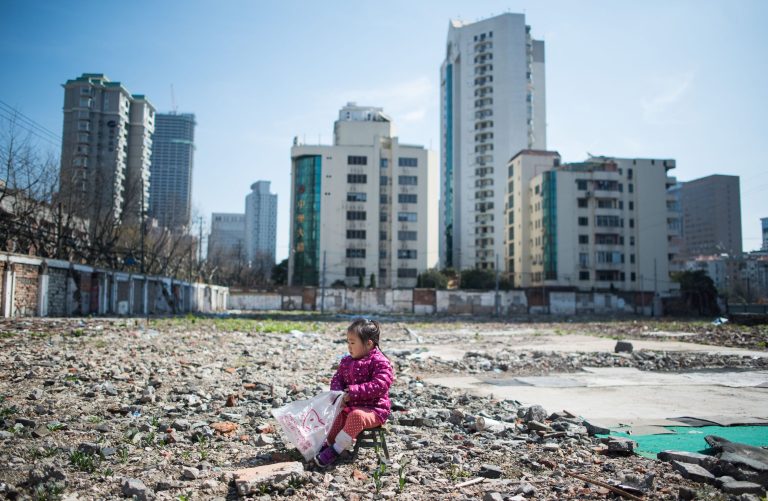
Bargain hunters are hesitant, while sellers slash prices further. In some suburban districts, units once valued at over 2 million yuan now sit unsold at less than half that price.
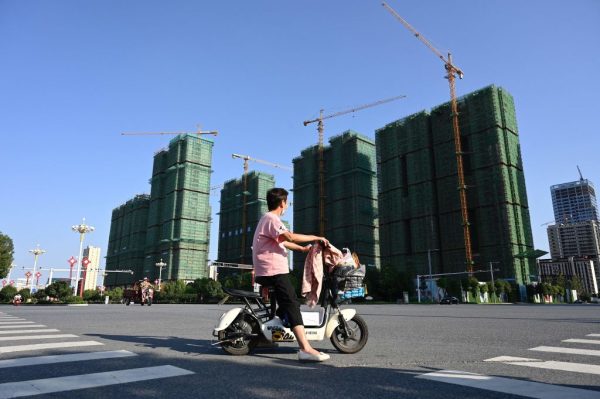
One blogger, who bought at the peak in 2021, shared on social media, “I bought it for 1.74 million. I checked my repayment records. I still owe the bank 1.01 million yuan. That means over the past three years I’ve only paid 30,000 yuan of principal. If I sell the apartment now, I’d still have to pay the bank another 70,000–80,000 yuan. Hmm… it’s really heartbreaking.”
Slashing prices
High-end properties, once symbols of wealth, are also taking a hit. A Western-style mansion on the Bund — featured in popular TV dramas — was auctioned at a starting price of 96.66 million yuan, slashed by more than 53 million yuan from its original listing. Still, there were no buyers willing to budge.
Finance blogger “Tang Ping Shu” noted, “Shanghai’s second-hand luxury market is unbelievably cold. Even at 40 percent off, nobody is interested. Prices drop again and again, and eventually the losses fall squarely on the owners.”
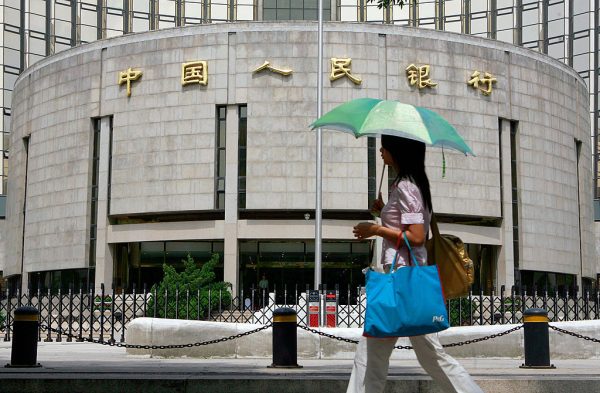
Other luxury projects in prime districts, including Nanjing West Road and Huangpu Bay, have also seen price collapses of up to 50 percent. Even celebrity-owned homes, such as Wang Sicong’s duplex at the opulent CapitaMall Maoming Mansion, have failed to attract strong offers despite repeated markdowns.
An economic slump?
Behind these numbers are ordinary families facing enormous financial strain. One longtime Shanghai resident explained why he bought at the housing peak in 2023: “For outsiders like us, buying a house basically empties six wallets,” he said, adding, “We bought our current home at the peak of the market. I don’t know how much longer we can hold on. It’s like trying to walk on a slippery watermelon rind and seeing where it takes us.”

Another young buyer described the daily reality plaguing all sellers: “Right now, I earn a monthly salary of 6,000 yuan, but I’m carrying an 8,000-yuan mortgage. Every morning when I open my eyes, I’m reminded that I owe the bank 266 yuan for that day alone — that’s how much my debt grows each day.”
RELATED: Asia’s Wealthiest Woman Loses $12 Billion in China’s Real Estate Crisis
But experts are noting that the housing slump is not limited to individual cases. Even state-backed developers are reporting sharp declines. Poly Group, a major “central enterprise real estate leader,” reported a 25 percent year-on-year drop in signed housing area in August, with contract values falling nearly 19 percent.
Financial analysts warn that if leading firms cannot attract buyers, smaller developers will face even greater challenges. As one commentator put it: “The housing market has entered a deep freeze. Everyone knows the real situation in the market.”