In recent years, an increasing number of Taiwanese performers have gone to mainland China seeking a larger audience and higher pay.
Yet scandals involving casting-couch exploitation, mysterious deaths, and industry collusion have repeatedly surfaced on the mainland.
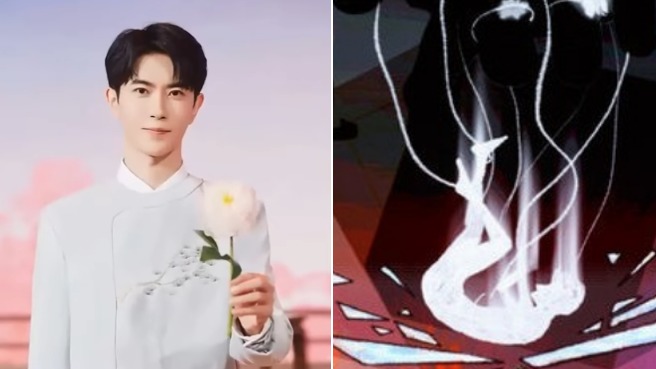
After Yu Menglong’s death, many fans began to worry whether their favorite Taiwanese stars could face similar dangers.
Tang Hao, host of Crossroads of the World, offered his perspective:
“Taiwanese entertainers are safer not because the environment is clean, but because they are not yet treated as insiders.”
Success
You are now signed up for our newsletter
Success
Check your email to complete sign up
According to Tang, senior Chinese Communist Party (CCP) elites generally do not view Taiwanese as their own people.
When engaging in illicit or exploitative acts, they are more likely to avoid involving Taiwanese entertainers — both to prevent leaks and because performers from democratic Taiwan are less likely to yield to authority or participate in Party culture.
Tang explained: “If a Taiwanese entertainer were mistreated and the news spread, the entire world would know. That would undermine the CCP’s so-called ‘peaceful united-front’ campaign toward Taiwan.”
He noted that any public scandal involving Taiwanese performers could derail Beijing’s long-term propaganda narrative about “cross-strait harmony.”
Tang further observed that within China, when someone refuses to comply, authorities often retaliate through their families — using police, business pressure, or criminal networks.
But most Taiwanese entertainers’ relatives live in Taiwan, beyond the CCP’s direct reach.
“If Beijing tried to threaten or punish families across the strait,” Tang said, “it could trigger legal action in Taiwan and even international attention.”
Tang believes Taiwan’s democratic system, press freedom, and physical separation from the mainland together form an “invisible shield” that protects Taiwanese artists who work in China.
He urged them to stay vigilant: “While pursuing fame or business opportunities on the mainland, remember — your freedom is your protection. Guard it carefully.”
Tang concluded with a sobering reminder. “If Taiwan were ever to fall under CCP control — if Taiwanese people also became ‘their own’ — then every performer could face the same fate as Yu Menglong.”