Just days before a scheduled meeting with Chinese leader Xi Jinping in South Korea, U.S. President Donald Trump on Thursday abruptly ordered a new investigation into whether Beijing has honored the 2020 U.S.–China “Phase One Trade Agreement.”
The surprise move, announced Oct. 24 by the Office of the U.S. Trade Representative (USTR), signals a sharp escalation in Trump’s second-term effort to pressure China on trade and could inflame tensions ahead of the so-called Trump–Xi Summit on Oct. 30 during the APEC forum in Seoul.
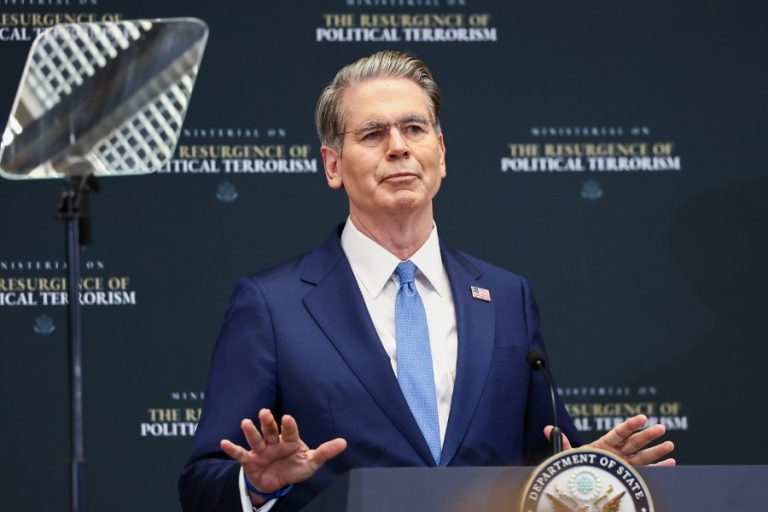
U.S. Trade Representative Jamieson Greer said in a press statement that his office has launched a formal Section 301 investigation under the 1974 Trade Act to determine whether China fully implemented its Phase One commitments.
The probe will examine whether Beijing’s actions—or lack thereof—have burdened or restricted U.S. commerce and will consider potential remedies if violations are confirmed.
“President Trump stood up for American workers during his first term and negotiated the Phase One Agreement to create a fair and reciprocal trading relationship with China,” Greer said. “The launch of this investigation demonstrates this administration’s determination to hold Beijing accountable, protect U.S. farmers, ranchers, workers, and innovators, and ensure trade reciprocity in the interest of the American people.”
Success
You are now signed up for our newsletter
Success
Check your email to complete sign up
Section 301 authorizes the federal government to impose tariffs or other measures in response to a foreign nation’s “unfair trade practices.”
According to individuals familiar with White House planning, the decision to reopen scrutiny of the Phase One deal was timed to show that the Trump administration “will not tolerate breaches of agreements” made with the United States.
Analysts warn the move is likely to anger Beijing, which has blamed pandemic-era disruptions for missing some purchase and reform targets under the 2020 pact.
Trump officials, meanwhile, have accused the Chinese Communist Party of failing to fulfill key obligations and criticized the Biden administration for failing to enforce them.
Trump’s Asia tour and uncertain summit outcome
Trump departed Washington on Oct. 24 for Kuala Lumpur to attend the Association of Southeast Asian Nations (ASEAN) summit — his first trip to Asia since beginning his second term and the longest overseas tour of his presidency. He is expected to meet with regional leaders throughout the week.
Several ASEAN heads of state have urged Trump to lower tariffs and conclude bilateral agreements by year’s end, but the president has shown greater interest in brokering peace between Thailand and Cambodia.
Treasury Secretary Scott Bessent will attend the ASEAN senior officials’ meeting and hold trade talks with Chinese Vice Premier He Lifeng. Before those talks, Beijing introduced a rare-earth export licensing system, while Washington floated possible software export restrictions and the new Section 301 investigation. Whether both sides show flexibility could determine if the Trump–Xi meeting proceeds as planned.
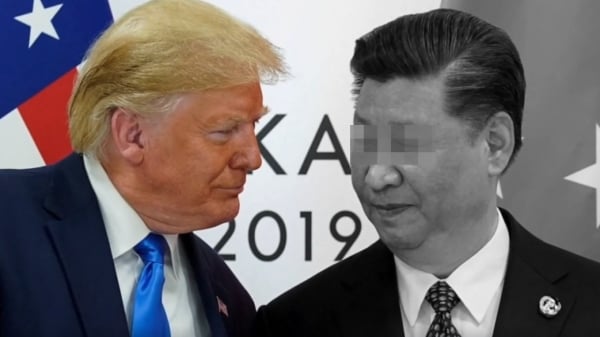
The White House has confirmed that Trump and Xi intend to meet on Oct. 30 on the sidelines of the Asia-Pacific Economic Cooperation (APEC) summit in South Korea, though Beijing has yet to respond publicly. If held, it would be the first encounter between the two leaders since their 2019 meeting in Japan.
Allies in the spotlight
During his stops in Japan and South Korea, Trump will meet with Japanese Prime Minister Sanae Takaichi and South Korean President Lee Jae-myung. Both countries have pledged massive investment packages — $550 billion from Tokyo and $350 billion from Seoul — in exchange for a 15 percent tariff reduction on U.S. auto imports, though differences remain over implementation details.
According to the White House schedule, Trump will depart South Korea on October 30, while the APEC Leaders’ Meeting runs from October 31 to November 1.
The launch of a new Section 301 probe on the eve of a summit with Xi appears designed to remind Beijing that the Trump administration is prepared to combine negotiation with enforcement.
Whether the strategy forces China to the table or provokes retaliation will shape the outcome of next week’s talks — and possibly the future of U.S.–China trade relations.