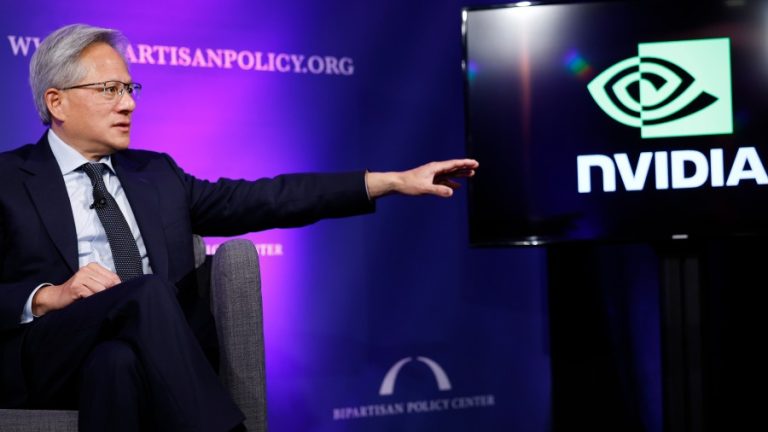
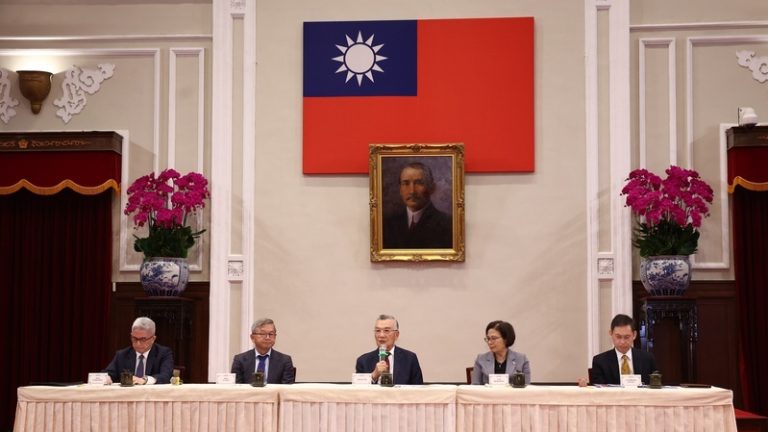
When asked by reporters on Nov. 6, a spokesperson for the U.S. Department of State said that the United States insists that all APEC economies — including Taiwan — should participate fully and equally in all activities, in accordance with the organization’s existing rules, conventions, and practices. The spokesperson also emphasized that the U.S. will continue to support Taiwan’s meaningful participation in international affairs and oppose any unilateral actions that seek to alter the status quo.
The Republican caucus of the U.S. House Foreign Affairs Committee also issued a statement, noting that while China had previously pledged to ensure Taiwan’s equal participation, it has since raised barriers for Taiwan’s involvement in the preparations for the 2026 APEC summit. This, the committee said, highlights Beijing’s coercive and untrustworthy nature.
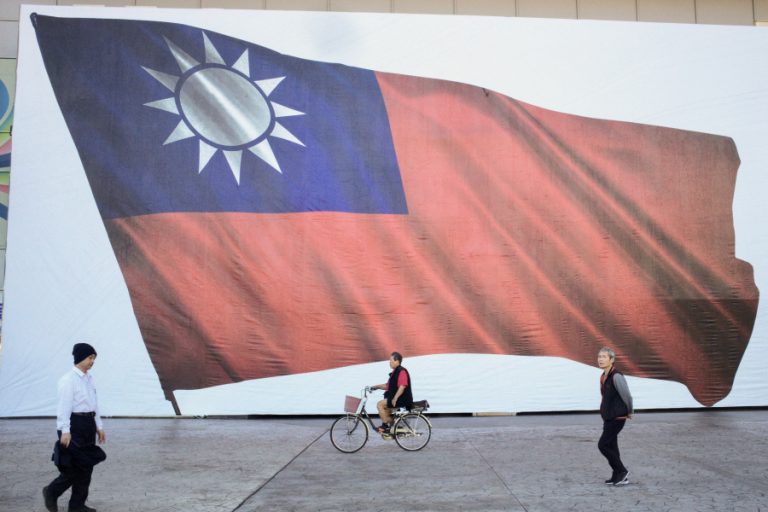
In response, Taiwan’s Foreign Minister Lin Chia-lung stated that Taiwan is a full member of APEC and enjoys the same rights as all other economies. If China attempts to restrict Taiwan’s participation under the pretext of the “one-China principle,” Lin said, it would not only violate APEC norms but also contradict the promises Beijing made during last year’s summit in Lima. Taiwan’s Ministry of Foreign Affairs expressed sincere gratitude to both the U.S. executive and legislative branches for their steadfast support.
Taiwan seen as the ‘cork’ of Indo-Pacific security
The possibility of a Chinese invasion of Taiwan has become one of the focal points of U.S.-China security competition. Beyond the economic dimension, U.S. strategic circles are also focused on Taiwan’s military and geopolitical importance.
On Nov. 6, the Cato Institute in Washington, D.C., held a panel discussion titled “The Military Balance in the Indo-Pacific, With and Without Taiwan.” Speakers included Evan B. Montgomery, vice president of the Center for Strategic and Budgetary Assessments (CSBA), and Jonathan D. Caverley, senior visiting fellow at the International Institute for Strategic Studies (IISS).
Success
You are now signed up for our newsletter
Success
Check your email to complete sign up
When asked about Taiwan’s military value, Montgomery said Taiwan is often described as an “unsinkable aircraft carrier” or a “cork.” He noted that the “cork” analogy remains relevant — Taiwan is a key link in the first island chain, capable of preventing the People’s Liberation Army (PLA) from freely entering the Western Pacific, and serves as a buffer zone between China and Japan’s southwestern islands.
Montgomery pointed out that if Taiwan were to fall under China’s control, it could also pose a threat to Japan. Located at the heart of the first island chain, Taiwan holds the strategic significance of an “unsinkable aircraft carrier” or “cork,” underscoring its irreplaceable role in the Indo-Pacific security framework.
Maintaining Taiwan’s autonomy and defense capabilities, therefore, is crucial for the United States and its allies.
This view aligns with the core logic of America’s Indo-Pacific strategy — using a network of allies and partners to contain China’s outward expansion. Taiwan sits at the central node of this strategic arc.
Analysts note that the United States’ dual emphasis on Taiwan’s economic and security importance reflects a consistent policy direction within Washington’s Indo-Pacific strategy: supporting Taiwan’s fair treatment in international institutions while recognizing it as a key force for maintaining regional balance.
Taiwanese scholars added that such support not only enhances Taiwan’s international visibility but also raises its strategic value in geopolitical competition. However, as U.S.-China rivalry intensifies, Taiwan may face increasing diplomatic and security pressure. How Taiwan manages to balance international support with regional stability will be a crucial challenge in the years ahead.