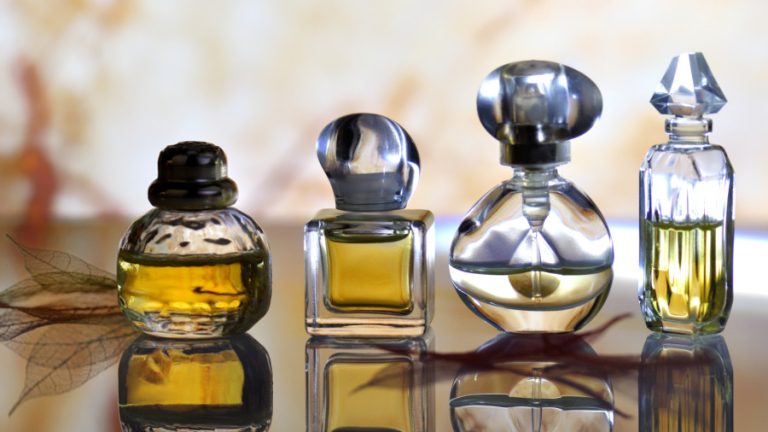
Do you scroll through your phone while eating, pour hot soup into plastic containers, reheat leftovers in the microwave, or enjoy perfume and fragrant body wash?
These seemingly harmless habits could be quietly putting your kidneys under “plasticizer stress.”
Taiwanese nephrologist Dr. Hung Yung-Hsiang recently warned on social media that plasticizers — chemicals used to make plastics soft and flexible — carry hidden health risks. The most common type, phthalates, are endocrine disruptors that interfere with the body’s hormonal system. They’re not only found in plastic products but can also contaminate food, air, and household dust, entering the body through ingestion, inhalation, or skin contact.
Chronic low-level exposure has been linked to metabolic disorders, hormonal imbalance, reproductive problems, and even breast and endometrial cancers. In recent years, mounting evidence has shown strong associations between phthalate exposure and impaired kidney function, including proteinuria and reduced glomerular filtration rates.
Research from Taipei Medical University and Taiwan’s National Health Research Institutes found that plasticizer levels among Taiwanese residents are about two to seven times higher than in Western populations — likely due to more frequent contact with plastic materials. Another 2022 study led by Zhongyuan Wang showed that people with higher concentrations of phthalate metabolites in their urine tended to have lower kidney function and higher protein levels. Likewise, Pınar Erkekoglu and colleagues reported that phthalates can trigger inflammation and cellular aging, eventually leading to kidney-tissue fibrosis and hardening.
We’re eating plasticizers every day — Doctor warns of 10 hidden daily ‘landmines’
Success
You are now signed up for our newsletter
Success
Check your email to complete sign up
These findings serve as a warning: the dangers of plasticizers aren’t just environmental — they’re closely tied to our personal health.
Dr. Hung compiled a list of ten everyday “plasticizer traps” that most people overlook. How many of these sound familiar?
1. Using your phone while eating
Many inexpensive phone cases and screen protectors — especially soft “hydrogel” types — may contain plasticizers. When a phone heats up after long use, these chemicals are more likely to leach out. If you touch your phone while eating, residues on your fingers can easily end up in your food.
Tip: Wash your hands before meals and avoid using your phone while eating. Choose accessories labeled phthalate-free or certified under EU RoHS or SGS standards.
2. Misusing microwave containers and plastic wrap
High temperatures cause plasticizers to leach into food — especially oily or acidic dishes that absorb them more easily. Plastic containers, melamine ware, and any items with metal rims are unsuitable for microwave heating.
Tip: Use heat-resistant glass or ceramic containers instead. Let hot food cool slightly before covering it with plastic wrap. For store-bought microwave meals, transfer the contents to a safe container before reheating.
3. Frequently drinking hot or acidic takeout beverages
Plastic cups, sealing films, and straws can release plasticizers when used with hot or acidic drinks.
Tip: Cut back on bubble tea and other hot beverages served in plastic cups. Bring a stainless-steel or glass thermos, and avoid leaving drinks in plastic containers for long periods.
4. Putting hot soup or takeout food in plastic bags
Pouring boiling soup directly into plastic bags allows plasticizers to leach — a common practice in parts of Asia, especially Taiwan.
Tip: Use stainless-steel, glass, or ceramic containers for hot food and minimize reliance on plastic bags for takeout.
5. Filling cold-water bottles with hot water or tea
Most sports or cold-water bottles are designed only for cold liquids. Using them for hot or acidic drinks speeds up plasticizer release.
Tip: Use separate bottles for hot and cold beverages. For hot drinks, choose heat-resistant glass or stainless steel, and replace worn plastic bottles regularly.
6. Frequently eating takeout fried foods
Plasticizers are lipophilic — they dissolve easily in oils. High-temperature frying combined with cheap plastic packaging can result in greater leaching. Studies show that oily foods stored in plastic containers release significantly more plasticizers than soups in similar packaging.
Tip: Reduce consumption of high-fat takeout foods, avoid wrapping fried items in plastic wrap, and use ceramic or glass containers whenever possible.
7. Playing with stress balls, jelly putty, or slime
Many stress-relief toys are made from PVC or gel materials that may contain plasticizers or synthetic fragrances of low quality.
Tip: Choose certified products, limit prolonged contact, wash hands afterward, and keep them away from your mouth and nose.
8. Using strongly scented bath and body products
Plasticizers are sometimes added as fixatives in perfumes, shampoos, body washes, and deodorants to make scents last longer — but they can also be absorbed through the skin.
Tip: Select fragrance-free products or those with simple ingredient lists. Kidney patients, pregnant women, and children should be especially cautious.
9. Biting pen caps or erasers
Many people habitually bite pen caps or erasers made of PVC that contain plasticizers to maintain flexibility.
Tip: Avoid biting plastic stationery, particularly soft or scented varieties.
10. Eating on plastic mats
During picnics or children’s mealtimes, plastic mats can transfer plasticizers through food contact.
Tip: Use mats labeled phthalate-free or made from natural materials, avoid eating directly on them, and wash hands afterward.
Three kidney-protecting habits to reduce plasticizer exposure
The danger of plasticizers doesn’t lie in acute poisoning but in slow, long-term accumulation.
Dr. Hung Yung-Hsiang reminds readers that small lifestyle changes can make a big difference in protecting kidney health:
- Wash your hands frequently:
A study from Kaohsiung Medical University in Taiwan found that proper handwashing with soap can remove up to 95 percent of plasticizer residues.
- Drink plenty of water and sweat regularly:
Consuming about 3–4 percent of your body weight in water each day and engaging in moderate exercise help the body metabolize and flush out toxins.
- Eat more fruits and vegetables:
A colorful variety of produce supplies phytochemicals and antioxidants that help counteract inflammation and oxidative stress caused by plasticizers.
Dr. Hung emphasizes that avoiding these ten daily “plasticizer traps” is a long-term strategy for kidney protection.
Plasticizers act like silent pollutants — they don’t cause illness immediately but gradually erode health over time.
Simple choices — skipping one hot drink in a plastic cup, avoiding one bowl of soup in a plastic bag, or washing your hands one extra time — can all serve as small investments in kidney health.
(Excerpted with permission from Dr. Hung Yung-Hsiang’s Facebook page.)