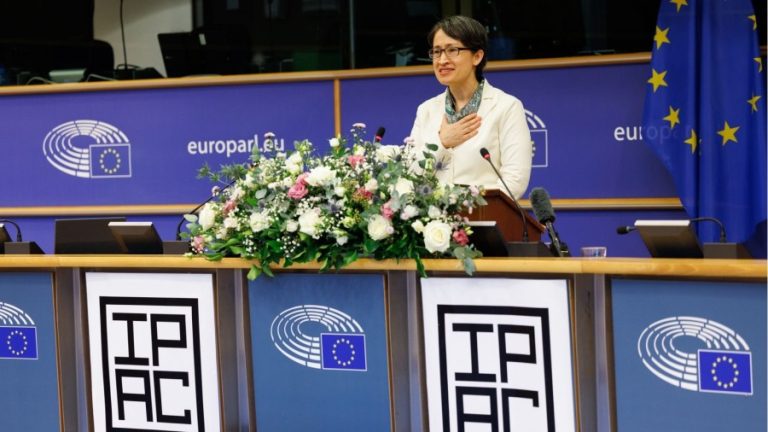
The Inter-Parliamentary Alliance on China (IPAC) Brussels Summit 2025 convened at the European Parliament from Nov. 7 to 10, 2025, marking the fifth annual summit of IPAC. The summit focused on coordinating democratic nations’ responses to challenges posed by China to global security, democracy, human rights, and prosperity—including human rights violations, environmental crises, and geopolitical coercion. Taiwan participated for the first time as a full member state, with Vice President Hsiao Bi-khim delivering a speech emphasizing Taiwan’s pivotal role in global supply chains and its democratic resilience. Earlier this year, Hsiao also systematically outlined Taiwan’s global strategic positioning and resolve for self-defense in an exclusive interview with the prominent U.S. podcast “The Sean Ryan Show.”
Hsiao’s fluent English becomes Taiwan’s soft power
Hsiao Bi-khim’s English proficiency is exceptional. Born in Japan to a Taiwanese father and American mother, she grew up in Tainan and New Jersey before pursuing higher education at Oberlin College and Columbia University. This cross-cultural background enables her to navigate international forums with ease. At the IPAC Brussels Annual Conference, she opened her speech with a pure American accent: Thank you, IPAC, for inviting me to the European Parliament. This holds profound significance for us and for the people of Taiwan.” Her speech, marked by rigorous logic and genuine emotion, spanned historical reflections to future visions, earning thunderous applause.
Similarly, during her interview on The Sean Ryan Show (which garnered over a million views), Hsiao responded fluently in English to host Sean Ryan’s incisive questions: Taiwan produces 60 percent of the world’s chips and 95 percent of high-end chips.“ She precisely described Taiwan’s semiconductor supply chain using the term ”ecosystem,“ emphasizing that ”reliability“ and ‘trust’ are Taiwan’s core competitive advantages. When the host remarked, ”This is the most delicate situation in the world,“ Josephine Hsiao calmly countered: ”We seek to maintain the status quo, but we will never yield to coercion.” ” This English expression not only demonstrated her diplomatic expertise but also conveyed the professionalism and composure of Taiwan’s leadership.
As the first Taiwanese representative to attend a U.S. presidential inauguration, Hsiao Mei-chin once stated: “Democracy is our common language; freedom is our shared goal.” Her English proficiency has become a symbol of Taiwan’s “soft power,” helping the island gain international sympathy and support amid diplomatic isolation by the Chinese Communist Party.
Taiwan’s global standing: An indispensable ‘technological heart’ and beacon of democracy
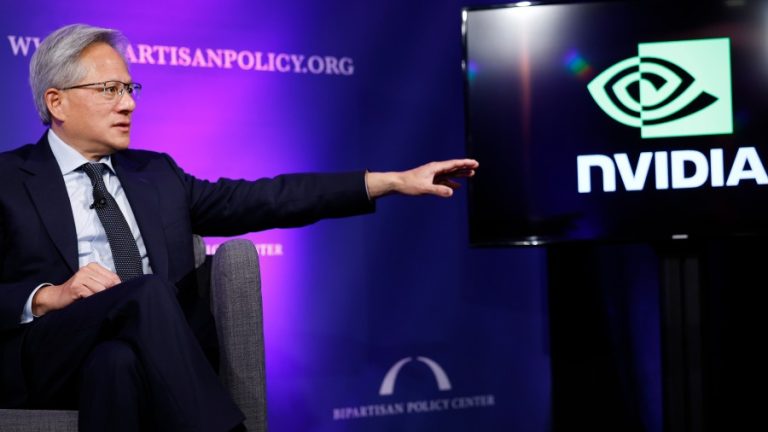
Hsiao repeatedly emphasizes Taiwan’s “indispensable” role in global supply chains. In interviews, she elaborates: Taiwan produces 60 percent of the world’s semiconductors and 95 percent of advanced chips—the very chips powering smartphones, automobiles, AI data centers, and even defense systems. “Chips drive everything from smartwatches to cars… enabling AI. As early as the 1980s, Dutch company Philips invested in TSMC. Today, TSMC is reciprocating by investing in Europe and the United States, pledging a $165 billion greenfield investment in the U.S.—the largest foreign investment project in American history.
Success
You are now signed up for our newsletter
Success
Check your email to complete sign up
In her IPAC summit address, she emphasized: “Economic security is national security.” Taiwan is diversifying supply chains with partners across pharmaceutical ingredients, biomedicine, energy tech, AI, and next-generation telecommunications. Despite exclusion from international organizations, Taiwan contributes to humanitarian aid, disaster relief, and Sustainable Development Goals (SDGs). “Taiwan’s presence strengthens global efforts.” Recognized by the G7 and others, Taiwan is “essential to global stability and prosperity.”
The Taiwan Strait is vital to the global economic lifeline: 20-50 percent of maritime trade passes through this region, including $2.5 trillion worth of goods. Disruption would shock the world like the Suez Canal crisis. Hsiao warned: “The Taiwan Strait lies at the heart of the Western Pacific… Any damage would severely impact the global economy.” This elevates the Taiwan issue to a global concern.
Defending against Chinese invasion: Asymmetric defense and societal resilience
Confronting China’s escalating military pressure, Hsiao detailed Taiwan’s self-defense strategy centered on “maintaining peace through strength.” She announced: “Taiwan commits to increasing defense investment to 5 percent of GDP by 2030.” Yet defense extends beyond military might to “societal resilience.”
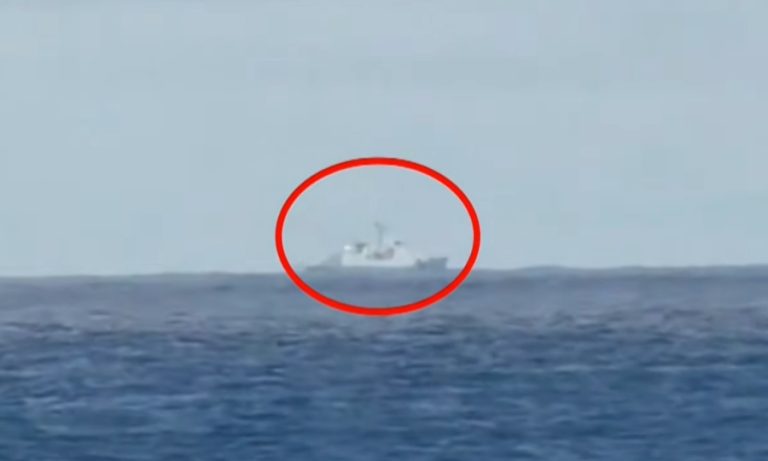
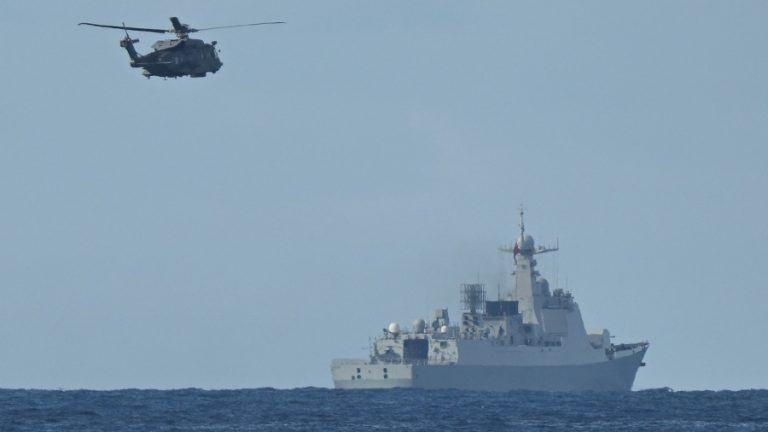
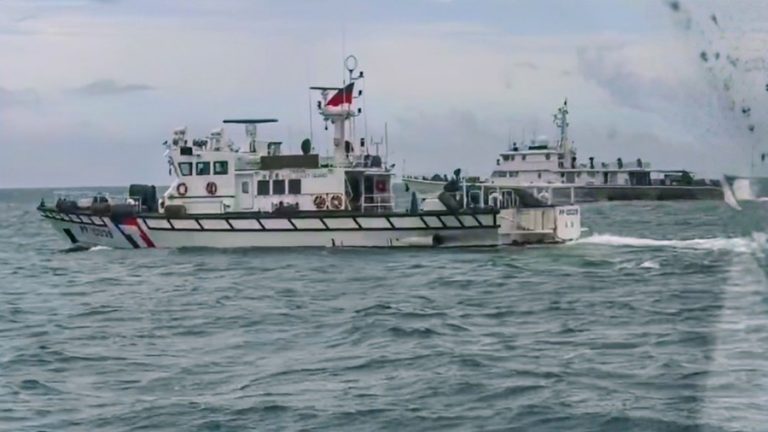
In the interview, she specifically listed multiple challenges Taiwan faces: 70 Chinese naval vessels invading the strait, two aircraft carriers entering the Pacific, daily air incursions into the air defense identification zone, as well as frequent incidents of undersea cables being cut, information warfare, cognitive warfare, and cyberattacks.
Taiwan’s responses include
In military modernization, Taiwan is investing in asymmetric capabilities such as drones, unmanned surface vessels, AI sensor fusion, and robotic systems. Learning from Ukraine’s experience, Taiwan emphasizes “decentralized command and control” and “small-unit autonomy.” “We need to deploy drones and unmanned systems across all fronts.”
She also stated that Taiwan has extended mandatory military service from 4 months to 1 year to ensure “high-quality training” and cultivate societal defense will. Polls show 65 percent of Taiwanese are willing to resist invasion, up from 50 percent in previous years.
For infrastructure resilience, Taiwan is building satellite backup communications, strengthening power grids and smart grids, and stockpiling food, medical supplies, and energy reserves. Training for first aid and evacuation is conducted for natural disasters like earthquakes; new offshore wind turbines serve dual energy and defense purposes.
In countering cognitive warfare, the Chinese Communist Party spreads disinformation via social media, influencers, and “content farms,” promoting narratives that “America is unreliable,” “Taiwan’s military is weak,” and “the government is illegitimate.” Taiwan counters with media literacy education, rapid fact-checking, and NGO collaborations. “We have rapid response mechanisms… educating citizens in critical thinking,” she stated.
Hsiao Mei-chin emphasized that Taiwan does not seek “ship-to-ship” confrontation against China’s 250-fold shipbuilding capacity, relying instead on “smart, innovative” approaches. It partners with the U.S. to acquire modern weaponry and bridges Silicon Valley with defense sectors through innovative firms like Palantir and Anduril.
Hsiao’s core message: Democracy is not alone
The core theme of Hsiao’s speech was that democratic nations “are not alone.” She opened by reflecting on her three-year relationship with IPAC: “I share a unique bond with IPAC—we are united in our commitment to democratic values and peace.”
She called for cooperation in four areas:
- Trade & Technology: Building trusted supply chains, AI dialogue, and talent investment.
- Social Resilience: Sharing expertise in cybersecurity, disaster relief, and combating disinformation.
- Global Inclusion: Supporting Taiwan’s participation in the WHO, ICAO, and opposing China’s distortion of historical documents.
- Taiwan Strait Peace: Upholding the UN Charter and opposing forceful changes to the status quo. She stressed that peace across the Taiwan Strait is vital for global stability.
During the interview, she reiterated: “We seek not merely survival, but the flourishing of democracy.” Quoting Mencius’s maxim “Those who follow the Way gain many supporters,” she asserted that Taiwan attracts backing through its righteousness. Addressing Xi Jinping’s 2027 ‘unification’ deadline, she calmly analyzed: “All our efforts aim to prevent conflict… and increase the cost of aggression.”
Taiwan issue: Global consensus, not Beijing’s ‘internal affairs’
Hsiao Mei-chin repeatedly stressed that the Taiwan issue is a “global moment.” The IPAC annual meeting brought together cross-regional legislators to confront “CCP expansion and coordinated threats,” including military gray zone tactics, cyberattacks, and economic coercion. China’s militarization of artificial islands and expansion in the South China Sea threaten not only Taiwan but also Japan, the Philippines, Australia, and even the Middle East.
Additionally, former President Tsai Ing-wen delivered a keynote address at the Berlin Freedom Conference in Germany on November 10. She urged democratic nations to unite against authoritarianism, emphasizing resilience as crucial for democracy’s survival, and noted Taiwan’s semiconductor industry is strengthening defenses against authoritarian challenges. This speech, part of Berlin Freedom Week, highlights Taiwan’s ongoing efforts to deepen diplomatic engagement with Europe, further solidifying international recognition of Taiwan’s democratic values.
Global responses to Taiwan have been positive. The United States continues to provide defensive weapons support under the Taiwan Relations Act, helping Taiwan enhance its self-defense capabilities. Japan and the Philippines are strengthening their own defense systems through joint military exercises and intelligence sharing to deter potential conflicts. European nations view Taiwan as one of the primary sources of foreign direct investment (FDI) and actively promote bilateral economic cooperation, such as technology transfers and investment projects in the semiconductor sector. The G7 joint statement and transnational support from IPAC further demonstrate that “a stronger Taiwan means a more stable Indo-Pacific region,” as Taiwan’s resilience directly impacts regional peace and global trade flows. The international community has reached a broad consensus: should Taiwan unfortunately fall, the global semiconductor chip supply would face severe disruption, potentially paralyzing the entire trade system. This would trigger a chain reaction of disasters—economic recession, soaring inflation, and technological stagnation—amounting to “humanity’s hell.” Both developed and developing nations would suffer immeasurable long-term losses.
By Meng Hao