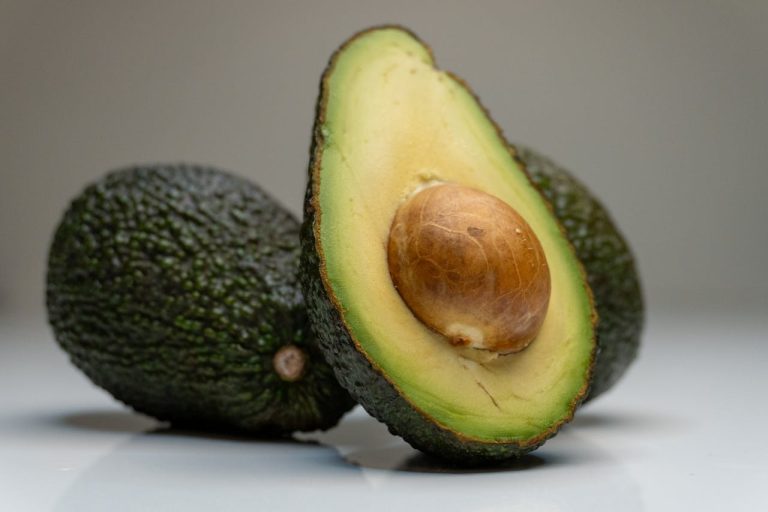
The delicious and nutritious avocado is adored around the world. In 2023, global production exceeded 10 million metric tons; and with health-consciousness on the rise, avocado consumption shows no signs of slowing down. Unfortunately, conventional uses of this creamy, green fruit create a shocking amount of waste. Discarded avocado pits, peels, and pulp remaining from oil extraction account for about 30 percent of avocado production in volume.
Fortunately, our increased health-consciousness extends to our planet, and eco-friendly solutions are being explored and even implemented to reduce avocado waste. As it turns out, the skins and seeds also have valuable properties that, with a little innovation, can be turned into profitable products.
Bioplastics

As we all know, plastics are an environmental disaster. They emit toxins, take forever to decompose, and pollute both our bodies and our planet; yet we depend on them for practically everything. As some scientists scramble for solutions in clean-up, others explore potential plastic alternatives and “bioplastics” made from renewable biomass — such as avocado pits!
As early as 2012, the Mexican company Biofase started extracting biopolymers from avocado seeds to produce biodegradable cutlery and straws. Bioplastic products made from avocado pits are similar to petroleum-based plastics in appearance and function, but they take far less time to break down.
Another company, Avocado Green Mattress, creates a natural latex foam from avocado pits to make comfortable and sustainable mattresses. The company’s booming success reflects a growing demand for eco-friendly products.
Success
You are now signed up for our newsletter
Success
Check your email to complete sign up
What about films like plastic wrap? Srinivas Janaswamy, an associate professor at South Dakota State University has studied this subject in depth. According to his research, avocado peels can be made into strong — and even translucent — films that could revolutionize plastic packaging.
Biofuels

While fossil fuels are a waning resource with significant ecological impact, “biofuels” — created from contemporary, renewable, organic materials — offer a cleaner, very-sustainable source of energy.
Using a fermentation process that involves anaerobic digestion, avocado waste can be converted into biogas, producing an estimated 1.5 million megajoules of energy per ton of processed waste.
Olivado, a pioneering company in Kenya, uses its waste from manufacturing avocado oil to produce biogas, providing energy for its carbon-neutral factory operations.
Natural cosmetics

While avocado oil — produced from the green flesh of avocados — has gained popularity as a natural emollient, the peels and pits contain valuable compounds as well. Besides offering anti-bacterial and anti-fungal properties, avocado pits contain powerful antioxidants. They also provide important vitamins and minerals for skin health (zinc and vitamin E, in particular).
Ground avocado pits not only act as a natural exfoliator, they can also help prevent wrinkles, maintain hydration, boost natural defence, counteract free radicals and improve resilience in your skin.
Some cosmetic companies are incorporating avocado pits and peels into their natural beauty products, but they might still be hard to find. If you want to get a jump on the rejuvenating benefits of avocado pit, try this all-natural, DIY face mask made from whipped egg white and freshly ground avocado pit.
Feed for livestock

If one wanted to keep avocado waste within agriculture, the natural solution would be to use it as animal feed or compost. Farmers have been using other food waste as livestock feed for centuries, but maybe they didn’t realize how nutritious the seeds and skins of avocados could be.
Rich in fiber and essential nutrients, supplementing feed with avocado pits can enhance livestock feed to improve animal health for a lower cost than grains. One study found that goats and sheep that were fed a diet that included 20 percent avocado pits for 21 days showed somewhat improved digestive function.
Please note: Before feeding any new substance to your animals, be sure to check their tolerance for it. Avocado can be toxic to chickens, for instance.
Economic outlook
The Chilean Avocado Exporters Association has already reduced Chilean avocado waste by over 100,000 tons annually by making animal feed from pits and peels, with participating farmers enjoying significant cost savings and improved profits.
Considering the rapidly growing markets for bioplastics (expected to reach $28.9 billion by 2026), biofuels (projected to reach $185.2 billion by 2027) and natural cosmetics (expected to reach $54.5 billion by 2027), innovative avocado waste initiatives stand to play a significant role in the shaping of a more sustainable and less toxic future.