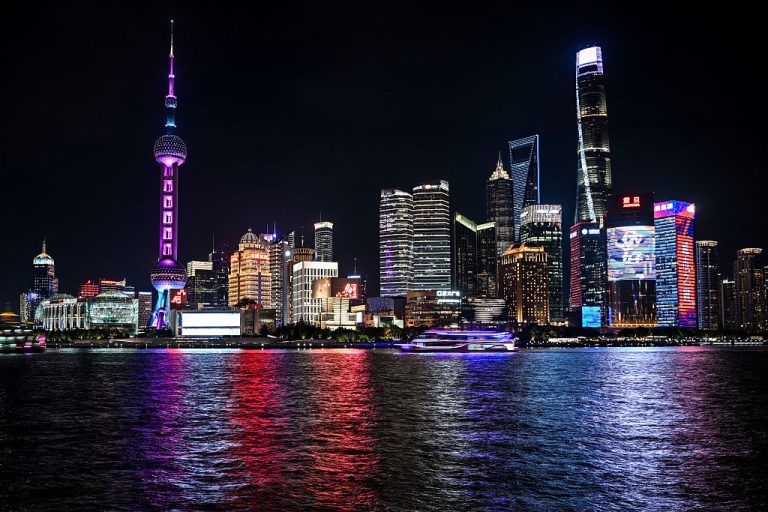
Shanghai is experiencing an economic downturn that many residents describe as the most severe in decades. Accounts shared online depict a city where confidence has evaporated, incomes are shrinking, and survival—rather than ambition—now dominates daily life.
Residents say the shift has been unmistakable.
In previous years, workers routinely complained about long hours and low pay, and would talk about switching jobs for a better salary.
This year, those conversations have stopped.
“People rarely gather after work now,” one man said. “Everyone is focused on how to earn just a little more money.”
Success
You are now signed up for our newsletter
Success
Check your email to complete sign up
He added that many no longer fear being laid off.
Instead, they quietly hope for it—because a dismissal might come with an “N+1” severance payout.
Buying an apartment, once a moment that drew envy from friends, now brings mixed, uneasy feelings.
“Someone buying a home doesn’t inspire jealousy anymore,” he said. “You just wonder how they’ll manage it.”
Office towers that once symbolized Shanghai’s economic energy now sit partly vacant.
Landlords have dropped rents repeatedly, often with no success.
Small business owners describe an equally bleak landscape.
One said rain instantly wiped out all foot traffic.
A customer told him that vegetable sellers in the local market were earning only half of last year’s income.
He visited a favorite restaurant at lunchtime.
“I walked around inside and found not a single person eating,” he said. “In Shanghai—empty at noon.”
READ MORE: Cancelled by the CCP, Japan’s Ayumi Hamaski Performs in Empty Shanghai Stadium
Shanghai’s data tells the same story
Population data tells the same story.
Shanghai’s migrant population has been falling for years, dropping below 10 million for the first time.
Deaths now outnumber births.
The “Eastern Pearl,” once a magnet for opportunity, is entering a period of demographic decline—just as economic pressure intensifies.
A Didi driver said he used to be overwhelmed with ride orders.
Now, passengers have thinned out, yet traffic jams persist—something he interprets as a sign that Shanghai’s real population decline may be sharper than official statistics suggest.
Some residents point to the abandoned Aegean Sea Shopping Center as a symbol of the downturn.
Once promoted as one of Asia’s largest malls, it has been open for less than ten years, yet now sits nearly empty.
Store owners in smaller districts report the same collapse. Entire blocks of shops have closed.
A restaurant owner described her worst day on record: “From 10 a.m. to after 8 p.m.—less than 600 yuan. Almost no dine-in customers. Takeout orders trickled in as if they were gasping for air.”
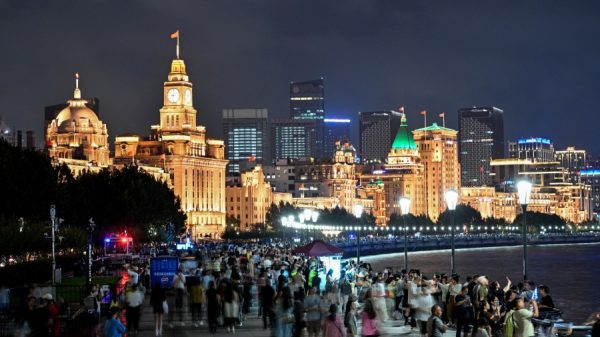
Crowds have thinned
Residents say the logic is simple: when people earn less, they spend less. Even in prime commercial districts, crowds have thinned, and most who do walk around are simply browsing.
Eighty to ninety percent of them buy nothing.
Even Shanghai Railway Station—once overflowing during peak hours—now feels hollow.
Labor data reinforces these fears.
From January to July, unemployment insurance payouts rose 36.6 percent year-on-year.
In just the first half of 2025, the city paid out 94.2 billion yuan—the highest in five years.
Families struggle with mortgages and car loans. Some households have both spouses unemployed at the same time.
The most vulnerable group is workers aged 35 to 45—many with limited training and no support network.
“This society has gone crazy,” one resident said. “Fresh graduates can’t find work. People with experience can’t find work. Married or not—no one can find work. And if you’re middle-aged and laid off? Forget it.”
The emotional toll is rising. One resident said he cannot sleep and wanders the streets during the day “like a ghost. ”His salary has fallen to a few thousand yuan, while his mortgage remains enormous. “It feels like my entire life is over,” he said.
Others echoed his despair. They describe wages that barely arrive, bills that keep rising, layoffs that come without warning, and the fear of not being able to afford basic necessities.
“For the first time,” one resident said, “I understand what people mean when they say their salary hasn’t come and they don’t know how to eat.”