By Gao Yun
A new round of U.S. scrutiny measures for H-1B visa applicants officially took effect on Monday, Dec. 15. According to the latest regulations from the U.S. Department of State, all H-1B high-skilled worker visa applicants and their H-4 accompanying family members will now be subject to expanded social media screening, facing stricter reviews of their online activities.
Social media screening significantly expanded
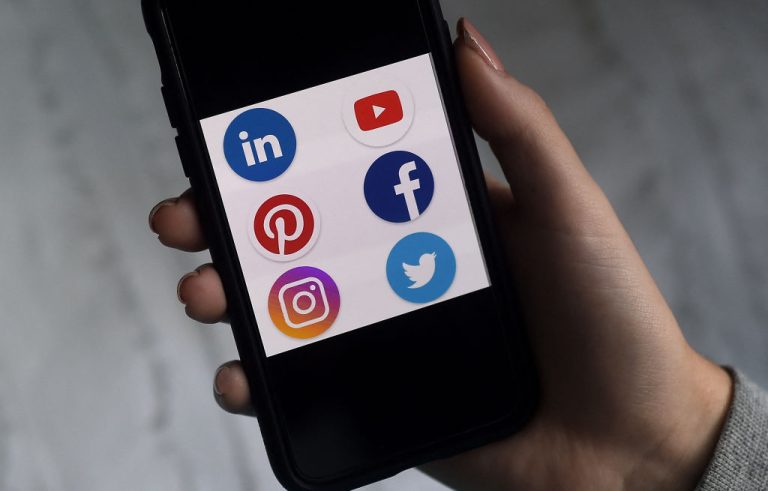
The U.S. Department of State stated that this policy adjustment adds an additional layer of oversight on top of the existing visa review process. When determining eligibility, consular officers will examine applicants’ posts, social connections, and related information on publicly accessible social media accounts.
Under the new rule, all applicants must submit the usernames of all current and previous social media accounts they have used in the past five years and ensure that these accounts are publicly accessible for review.
This change extends the social media screening system that previously applied to international students and exchange visitors. Previously, F, M, and J nonimmigrant visa applicants were already subject to similar social media reviews. With H-1B and H-4 visas now formally included in the same framework, the U.S. has further standardized its visa review criteria.
Success
You are now signed up for our newsletter
Success
Check your email to complete sign up
The H-1B visa has long been considered one of the main pathways for highly skilled foreign talent to enter the U.S., while F, M, and J visas involve over 1.5 million international students and visiting scholars annually. Therefore, the new rule will have a tangible impact on a significant portion of the workforce in the U.S. technology, medical, and academic sectors.
The H-1B is one of the few U.S. nonimmigrant visas that allows “dual intent,” meaning applicants can legally apply for permanent residency while holding a temporary visa.
However, it is important to note that during the visa interview, applicants should focus entirely on their current, clear purpose—employment itself—rather than future immigration plans.

Policy background: tighter immigration oversight
The U.S. government describes this adjustment as part of efforts to strengthen national security, emphasizing the use of “all available information” to identify individuals deemed ineligible for entry or who may pose a potential security risk to the United States.
The rollout of this policy coincides with a period of overall tightening in U.S. immigration policy that began during the Trump administration.
Recent policy changes include higher-intensity scrutiny of visa holders, increased visa revocations, and new enforcement actions targeting employers accused of displacing U.S. domestic workers.
At the federal level, this directive aligns with broader policy trends. The U.S. Citizenship and Immigration Services (USCIS) has begun collecting social media identifiers from all visa and citizenship applicants. Meanwhile, a new Department of Homeland Security policy considers anti-Semitic content a negative factor in visa or immigration adjudications.
Additionally, updates to administrative systems have promoted cross-agency data sharing and collaboration, such as the Department of Labor’s “Project Firewall,” aimed at strengthening compliance and review processes.

Divergent official and expert opinions
The U.S. Department of State emphasized: “Every visa adjudication is a national security decision. The United States must remain vigilant in the visa issuance process to ensure that those applying to enter the U.S. do not intend to harm the American people or national interests, and that all applicants can credibly demonstrate that they meet the eligibility requirements for the visa, including that their planned activities comply with the terms of entry. A U.S. visa is a privilege, not a right.”
However, the policy has sparked controversy. Critics argue that increased scrutiny of social media and online speech could create a chilling effect on free expression, lengthen administrative processing times, and raise barriers for U.S. companies and universities seeking key talent.
Stuart Anderson, Executive Director of the National Foundation for American Policy, told Newsweek that the H-1B visa is vital to the U.S.: “H-1B visas are often the only pathway for the U.S. to employ highly skilled foreign talent long-term, and in key science and technology fields at American universities, roughly 70 percent of full-time graduate students are international.”
Supporters argue that, amid heightened immigration enforcement and national security review, the measure helps safeguard U.S. security and national interests.
The U.S. Department of State reminds visa applicants—especially H-1B and H-4 applicants—to prepare for longer processing times and to ensure that their online activity aligns with the information provided in their visa applications.
U.S. employers hiring H-1B visa employees are also advised to assess potential impacts in advance, including delays in employee return due to extended processing, and to ensure that their employment practices comply with evolving immigration and labor regulations.