Costco is widely known for its generous return policy, a key selling point that has helped the retailer attract consumers. With only a few exceptions, Costco generally allows customers to return purchased items and receive a full refund. This policy gives shoppers added confidence when buying new electronics or household appliances, knowing they have up to 90 days to return products if they do not meet expectations—thereby avoiding the risk of being stuck with unwanted items.
However, the convenience of easy returns also raises a practical question: what ultimately happens to the large volume of goods returned to Costco?
According to a report by SlashGear, opened items such as electronics are typically not placed back on store shelves, while perishable or opened food products cannot be resold at all. Even so, Costco does not treat these returns as a total loss.
The report notes that Costco has agreements with its suppliers to manage returned merchandise through alternative channels, including resale as “open-box” items or redistribution through donations.

Food returns: opened items mostly destroyed, unopened goods may be donated
According to the report, when it comes to food returns, items brought back by customers are highly likely to be discarded. This is largely due to U.S. Food and Drug Administration (FDA) regulations, which prohibit the resale of returned food products that have been opened.
Success
You are now signed up for our newsletter
Success
Check your email to complete sign up
However, if the packaging remains unopened, such items may still be redirected to donation channels. The report notes that charitable organizations such as World Vision have established partnerships with Costco to receive returned goods, as well as products that suppliers would otherwise require to be returned or destroyed, and distribute them for charitable purposes instead.
World Vision stated that since 2014, it has received as many as 480,000 pallets of donated food for humanitarian and public welfare use.
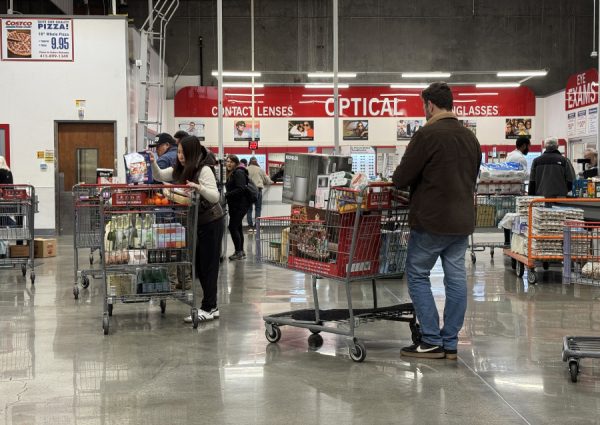
Non-food returns: mostly routed to clearance and resale channels
For non-food items, the report notes that these goods typically flow to wholesalers or clearance outlets. Companies like BStock, a liquidation and auction firm, operate by acquiring returned merchandise, excess inventory, and damaged goods from retailers such as Costco, Target, and Amazon, and then reselling them to consumers at significant discounts—usually in bulk “pallet” lots.
The report emphasizes that whether returned items are ultimately destroyed, donated, or resold, they are rarely simply wasted. This is seen as part of Costco’s “closed-loop handling system” behind its return policy, which many consumers view as an additional reason why shopping at Costco is worthwhile.