By Cai Siyun
In recent weeks, a growing number of Chinese social media users have reported unexplained odors and nighttime drone activity in multiple regions of the country.
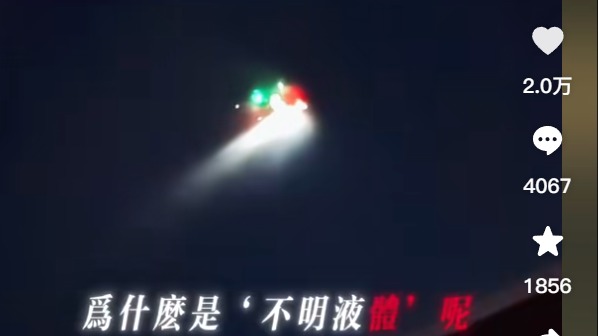
According to these accounts, drones were seen flying late at night while releasing unknown substances. Many users described a persistent burnt or chemical-like smell in the air during these incidents.
Some reported developing flu-like symptoms shortly afterward, including sore throats, coughing, body aches, and prolonged colds. Several users said their symptoms lasted more than ten days.
Reports of odors and drone activity across multiple regions
Since late November, similar accounts have appeared from more than a dozen provinces.
Success
You are now signed up for our newsletter
Success
Check your email to complete sign up
On Dec. 2, users reported that a strong and unusual odor spread through dormitory areas at the Yunman Lake campus of Guizhou Medical University. According to online posts, university officials initially suspected a gas leak and evacuated thousands of students, opening the auditorium and library as temporary shelters.
Videos shared on Douyin showed students leaving dormitory buildings late at night, many wearing winter clothing and checking their phones as they moved across campus.
University security later told students that the smell did not originate from a gas leak and appeared to come from outside the campus. Public security, fire, and civil affairs departments were reportedly involved, but no official findings or explanations were released.
In Zhejiang, one Douyin user wrote that despite having a weak sense of smell, he repeatedly noticed a strange odor, particularly at night.
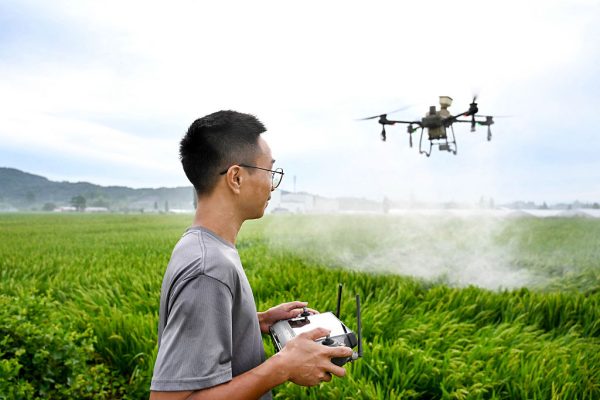
In Sichuan, a user said they observed drones spraying substances after dark, noting that routine pest-control operations are typically conducted during daytime hours.
In Guangxi, another user reported a burnt smell persisting for several days. After ruling out electrical issues at home, the user said they developed a severe cold the following day, with symptoms lasting more than ten days.
Users in Shenzhen described smelling strong burnt odors in public areas, including shopping districts. Some reported runny noses and general discomfort after returning home.
In Beijing, one netizen said they saw a dense, solid-like substance stretching tens of meters in the air near a ring road at night, accompanied by a sharp odor.
Online speculation and public concern
As these reports circulated, comment sections filled with speculation about the source of the odors and the purpose of the drone activity.
Some users suggested the drones were dispersing influenza A or other harmful substances. Others questioned whether the activity might be related to disinfection, epidemic prevention efforts, or environmental monitoring.
Several users said they contacted local government hotlines seeking clarification but reported receiving no response.
In online discussions, some users linked the reported odors and drone activity to influenza outbreaks that followed in their areas. Others expressed concern about potential risks to children and elderly residents.
Commentary on possible explanations
On Dec. 10, independent media commentator Tang Hao addressed the issue on his program. He said there had been no official explanation regarding whether drones were spraying any substances and emphasized that no evidence supports claims of virus dispersal or deliberate poisoning.
Tang outlined two possible explanations that have circulated publicly. One is that authorities may be conducting large-scale disinfection or epidemic prevention measures in response to influenza A outbreaks reported in multiple provinces.
He noted that influenza A has affected many regions, with particularly severe outbreaks reported in major cities. However, he questioned why such measures, if intended for public health protection, would be carried out secretly at night without public notice.
The second explanation raised by some netizens involves deliberate poisoning or the dispersal of harmful substances. Tang stressed that this theory remains speculative and is not supported by evidence.
He emphasized that his discussion reflected public speculation and analytical hypotheses rather than confirmed conclusions.
Use of drones for environmental monitoring
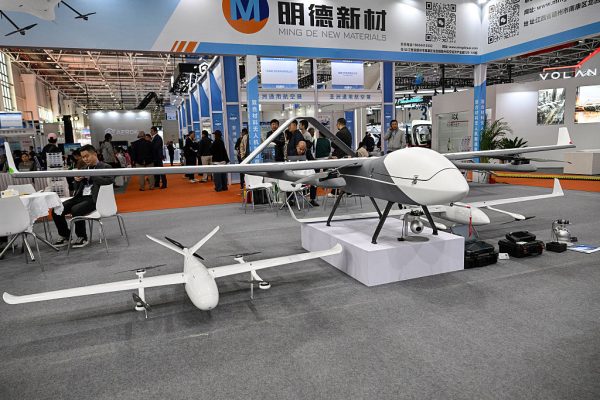
Separately, some netizens pointed out that drones have been used in recent years for environmental enforcement, particularly during winter months.
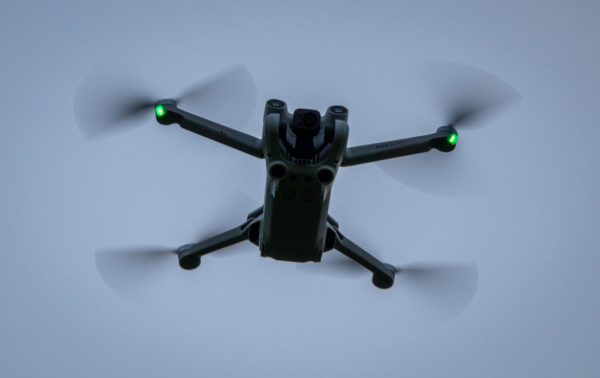
Videos posted online from parts of Gansu and Ningxia show multi-rotor drones hovering over residential areas. According to users, the drones were equipped with cameras and infrared thermal imaging devices capable of detecting smoke and heat sources from coal or wood burning.
Some users said local authorities used drones alongside ground personnel to conduct inspections, calling residents out of their homes and demanding access for checks.
As of now, Chinese authorities have not issued a public statement addressing reports of unexplained odors or nighttime drone activity described by social media users.
The claims circulating online remain unverified, and no independent confirmation has emerged regarding the nature or purpose of the reported drone operations.