By Yang Tianzi
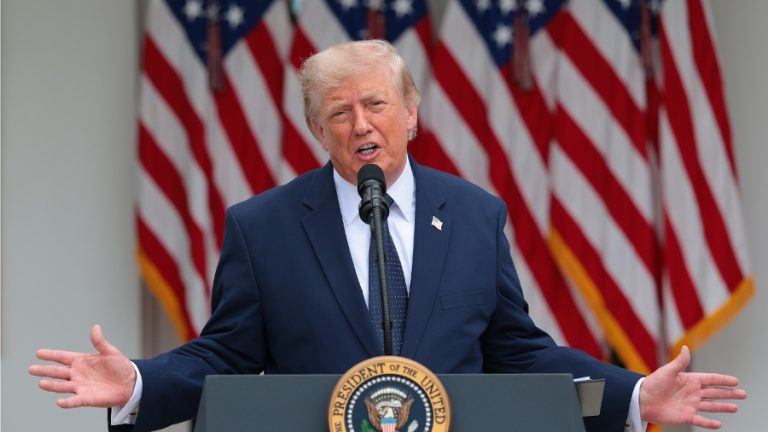
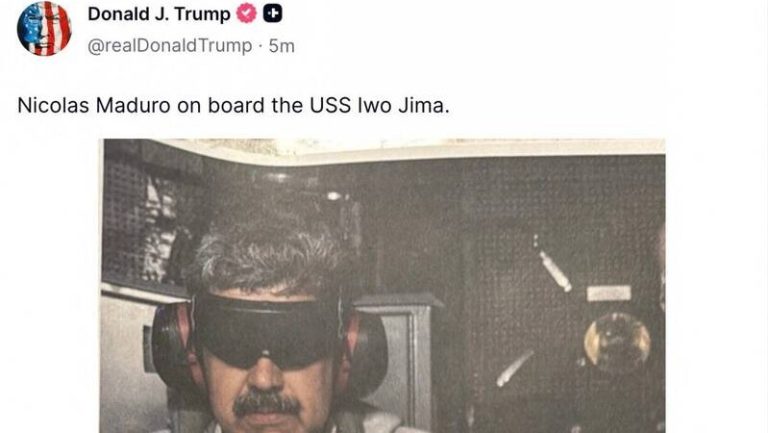
In the early hours of Jan. 3, 2026, U.S. President Donald Trump posted a set of images on social media that sent shockwaves through global politics. The photos showed American troops escorting Venezuelan President Nicolás Maduro into custody, bound for the United States to stand trial.
Behind those images lay a covert military operation that had been in preparation for more than six months.
According to an exclusive report published by The Wall Street Journal on Jan. 3, U.S. intelligence agencies and the military had spent half a year planning a mission code-named Operation Absolute Resolve, a high-risk operation that culminated in the capture of Maduro and his wife and their transfer to New York within a matter of hours.
The operation, executed in less than five hours, fundamentally altered Venezuela’s political landscape.
Success
You are now signed up for our newsletter
Success
Check your email to complete sign up
Deep intelligence penetration
The success of the mission was built on what U.S. officials later described as an unprecedented level of intelligence penetration.
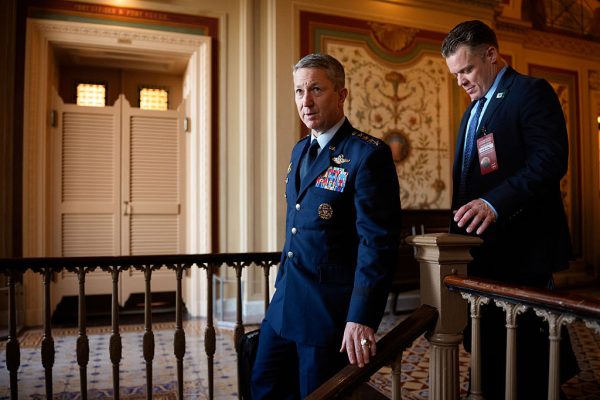
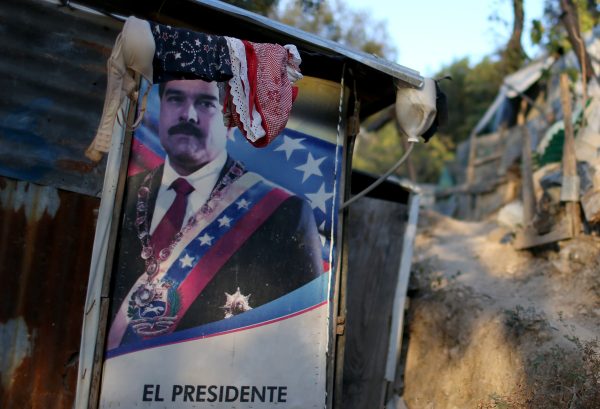
General Dan Caine, chairman of the Joint Chiefs of Staff, revealed that U.S. intelligence had developed an extraordinarily detailed understanding of Maduro’s daily life. Monitoring went far beyond tracking official movements and known residences. Intelligence officers mapped Maduro’s eating habits, clothing preferences, sleeping patterns, and even the routines of his pets.
More critically, U.S. agencies succeeded in placing multiple informants inside Maduro’s inner circle. These sources operated within security, logistics, and personal service roles, providing a steady stream of real-time intelligence.
“We didn’t just know where he was,” one U.S. official familiar with the operation said. “We knew how he lived there, how he moved, and what was behind every door in that building.”
Training for a perfect replica
While intelligence collection intensified, the U.S. military launched an equally intensive preparation effort.
Elite special operations forces, including units from Delta Force, constructed a full-scale replica of Maduro’s hideout at a classified training facility. The duplicate building mirrored the original in layout and interior details, based on information provided by informants.
Inside the replica, special forces conducted hundreds of simulated raids. Every movement was timed down to the second. Teams rehearsed entry routes, room-clearing sequences, and contingencies for varying levels of resistance. Each drill was refined repeatedly to minimize uncertainty during the real operation.
Debate inside Washington
Knowledge of the plan was tightly restricted to a small group of senior officials.
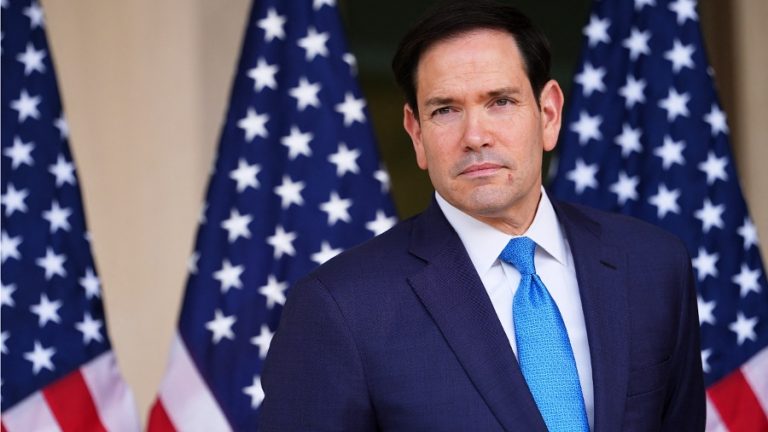
Those involved in regular discussions included Secretary of State Marco Rubio, Secretary of War Pete Hegseth, CIA Director John Ratcliffe, and Homeland Security adviser Stephen Miller.
The plan sparked intense debate within the U.S. government. Opponents raised three major concerns.
First was military risk. Senior officers repeatedly warned Trump that any failure during a complex cross-border operation could lead to catastrophic consequences.
Second was political risk. Some advisers feared that even if framed as part of a counter-narcotics effort, the operation could alienate isolationist-leaning supporters.
Third were legal and diplomatic risks. The direct capture of a sitting foreign head of state was expected to trigger strong international backlash.
After months of deliberation, Trump concluded that Maduro, already indicted in the United States, had to face trial. He believed his supporters would ultimately back the decision.
To preserve surprise, Trump ordered strict secrecy. Only a handful of core advisers were informed.
Military buildup and strategic deception
Beginning in August, U.S. forces quietly assembled off Venezuela’s coast.
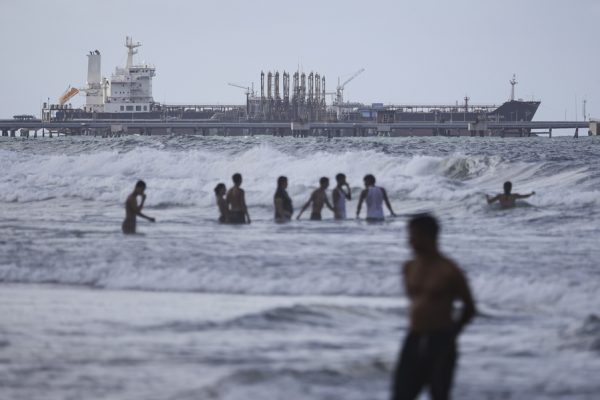
Warships, aircraft, and approximately 15,000 troops were positioned in the region. Bomber flights and military maneuvers served both as psychological pressure on the Maduro government and as cover for operational readiness.
At the same time, Trump’s advisers released deliberately mixed signals. At moments they hinted at plans to remove Maduro; at others they publicly denied any intention of regime change. The ambiguity maintained pressure while masking preparations for a sudden strike.
By late December, all military elements were in place. Yet Trump continued to wait, hoping Maduro might relinquish power under diplomatic pressure.
Several attempts were made to launch the operation during major holidays, including Christmas and New Year’s Day, when security was expected to be lower. Severe weather over the Caribbean repeatedly forced bombers, fighters, and refueling aircraft to turn back before entering Venezuelan airspace.
Ultimately, Trump delegated final launch authority to the Pentagon, allowing commanders to choose the moment based on weather, enemy alert levels, and troop readiness.
22:46 — The operation begins
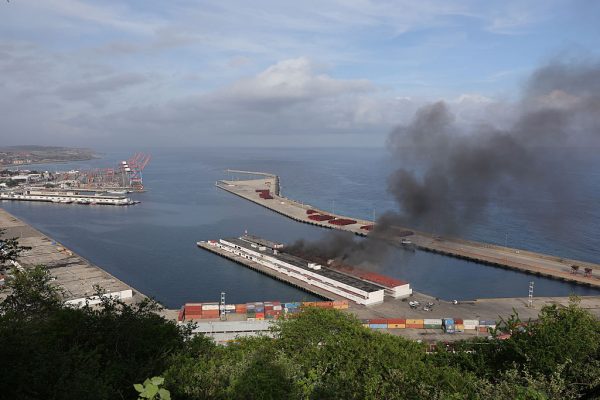
At 10:46 p.m. on Jan. 2, 2026, Operation Absolute Resolve was activated.
From a secure facility at Mar-a-Lago in Florida, Trump sent a brief message to U.S. commanders via encrypted communications: “Good luck. Godspeed.”
A massive air operation unfolded across the Western Hemisphere. Approximately 150 aircraft from 20 locations took off simultaneously, including fighters, bombers, electronic-warfare platforms, and transport aircraft. Their destination converged on a single point: Caracas.
Inside a temporary command center at Mar-a-Lago, Trump and his advisers watched the operation unfold on large screens. White House staff also monitored social media in real time, scanning for any mention of Venezuela that might signal public awareness of the mission.
The assault
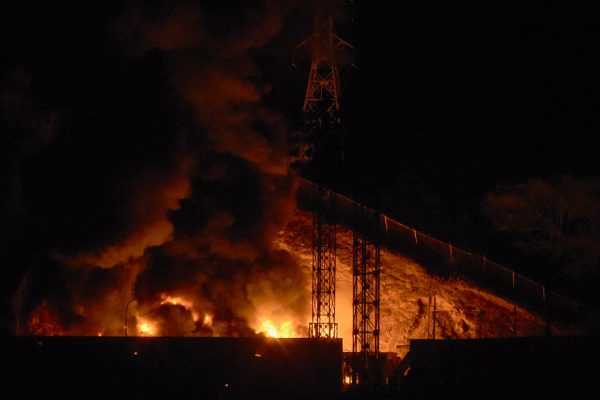
Under cover of air superiority and electronic interference, U.S. special forces approached the target building.
Thanks to months of rehearsal, the commandos knew the structure as well as—if not better than—Maduro’s own guards. The defensive system collapsed quickly under overwhelming technological and tactical superiority.
Special forces breached the perimeter, neutralized key positions, and reached the bedroom on schedule.
When the team kicked open the bedroom door—a door they had breached countless times in training—Maduro’s fate was sealed.
The man who had dominated Venezuelan politics for nearly 13 years stood in a gray tracksuit, facing rifles in the darkness. He surrendered without resistance.
Aftermath and global impact
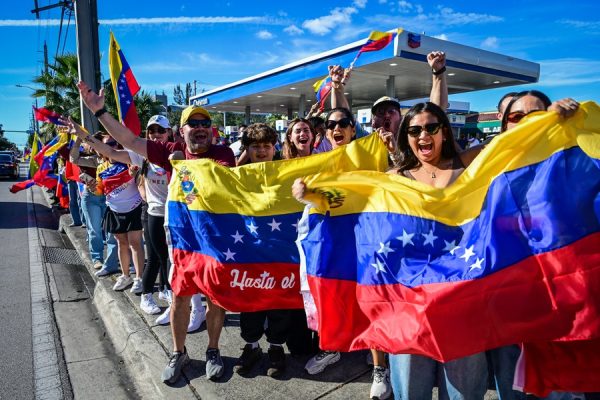
By sunrise in Caracas, Maduro’s rule had come to an abrupt end.
He and his wife were handcuffed, blindfolded, and escorted by heavily armed U.S. troops out of what had long been considered an impregnable stronghold. They were transferred to a U.S. naval vessel waiting in international waters and flown to New York.
There, Maduro is expected to face longstanding U.S. charges related to narcotics trafficking and terrorism.
While the operation succeeded militarily, it left profound political uncertainties. Venezuela now faces a power vacuum. Washington may find itself compelled to assume some form of supervisory role during a volatile transition.
Unanswered questions remain: Who will govern Venezuela next? How will the political transition unfold? And how will the international community respond to an unprecedented act—the capture of a sitting foreign president by U.S. military force and his transfer to stand trial on American soil?
Operation Absolute Resolve has carved an extraordinary chapter into modern international history. Whether it remains a singular case or establishes a new precedent will shape the future of global politics for years to come.