By Gao Yun
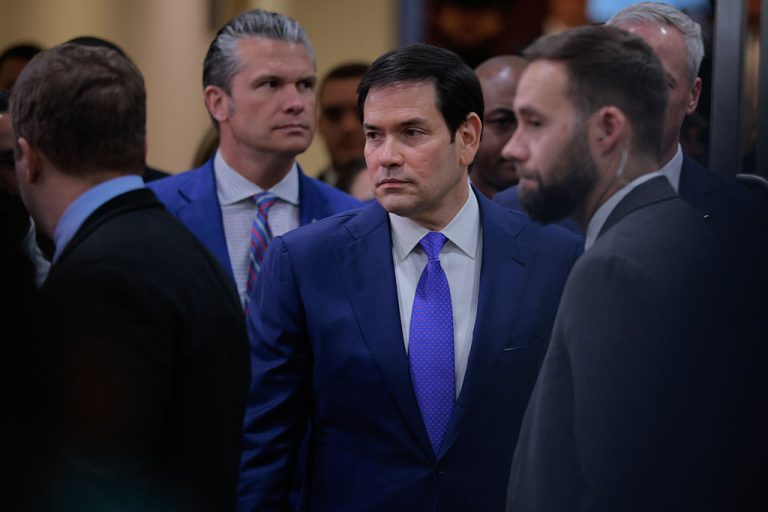
U.S. Secretary of State Marco Rubio said on Jan. 7 that the United States has developed a “three‑phase” plan for Venezuela, which includes stabilizing the situation, promoting economic recovery, and ultimately achieving a political transition. The plan was initiated after U.S. forces captured Venezuelan leader Nicolás Maduro last Saturday.
According to Reuters, Rubio explained that the first phase will focus on stabilizing the current situation in Venezuela; the second phase will promote economic recovery and ensure that U.S. and Western oil companies can enter the Venezuelan market on fair terms; the third phase is to oversee the country’s transition to a new government once conditions are ripe.
Rubio noted that a clear operational mechanism has been established, enabling the U.S. to exert substantive influence over the actions and decisions of Venezuela’s interim authorities.
He said: “Ultimately, a process is now in place that gives us enormous control and leverage over what these interim authorities are doing and what they are able to do.”
Success
You are now signed up for our newsletter
Success
Check your email to complete sign up
On Wednesday, Rubio and U.S. War Secretary Pete Hegseth separately gave classified briefings on the Trump administration’s overall plan for Venezuela to all senators and all members of the House of Representatives.
Between the two briefings, Rubio told the media that the arrangement is essentially a transitional process, and in the end, Venezuela’s future will still be decided by its people.
Oil arrangement becomes core of recovery phase
In the economic recovery stage, the issue of Venezuelan oil has become a key component of the U.S. plan.
Rubio revealed that the Trump administration is close to implementing an agreement to take between 30 million and 50 million barrels of Venezuelan oil, sell it at market prices, and use the proceeds to support the country’s transition to a new government.
He said: “That money will then be handled in a way controlled by us, ensuring its use benefits the Venezuelan people, not breeding corruption or benefiting the regime, so we have a lot of leverage in moving forward with stabilization.”
U.S. President Trump has also clearly stated that if members of Maduro’s inner circle who take over leadership do not comply with U.S. requirements, the U.S. will consider taking further action. Trump’s related demands have mainly focused on the handling and restoration of Venezuelan oil production.
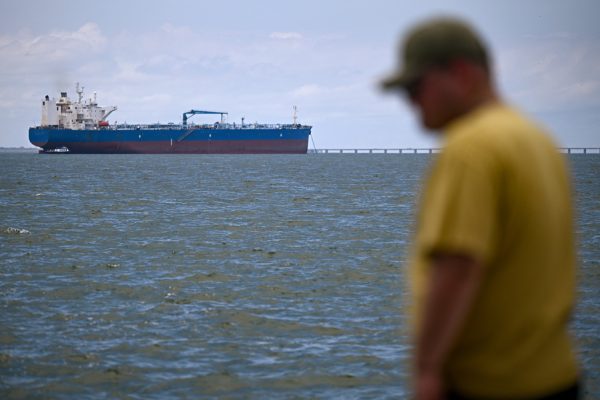
Trump said the U.S. would refine and sell up to 50 million barrels of Venezuelan crude. Meanwhile, U.S. forces continued to seize oil tankers linked to Venezuela on Wednesday.

Energy secretary: US will ‘indefinitely’ control Venezuelan oil sales
According to the New York Post, U.S. Energy Secretary Chris Wright said Wednesday that after Maduro’s capture, the U.S. will “indefinitely” control Venezuelan oil sales.
Wright noted that proceeds from related sales will be deposited into a U.S.-controlled account and said these funds “can flow back” to Venezuela to support its recovery and reconstruction.
At the Goldman Sachs Energy, CleanTech & Utilities Conference held in Aventura, Florida, Wright said the U.S. will change the current blocked state of the oil. He said: “Rather than block the oil as we are now, we will let the oil flow… to U.S. refineries and around the world to improve oil supplies, but these sales will be conducted by the U.S. government.”
Wright said the U.S. will first sell the millions of barrels of Venezuelan crude currently held in storage due to U.S. sanctions and blockade, and then take over the sale of the country’s ongoing oil production in the foreseeable future.