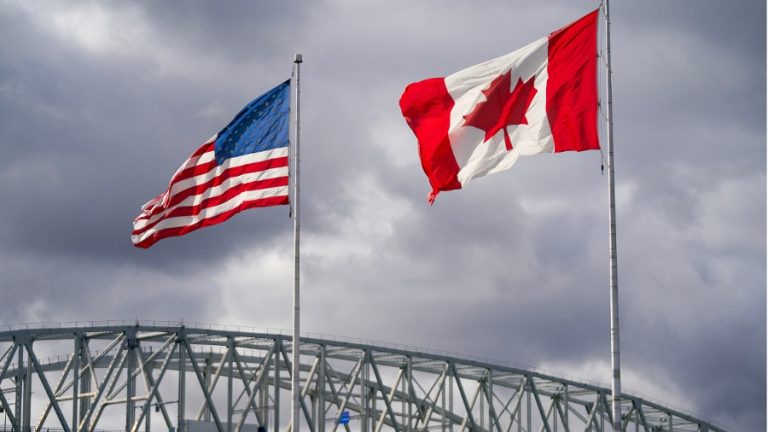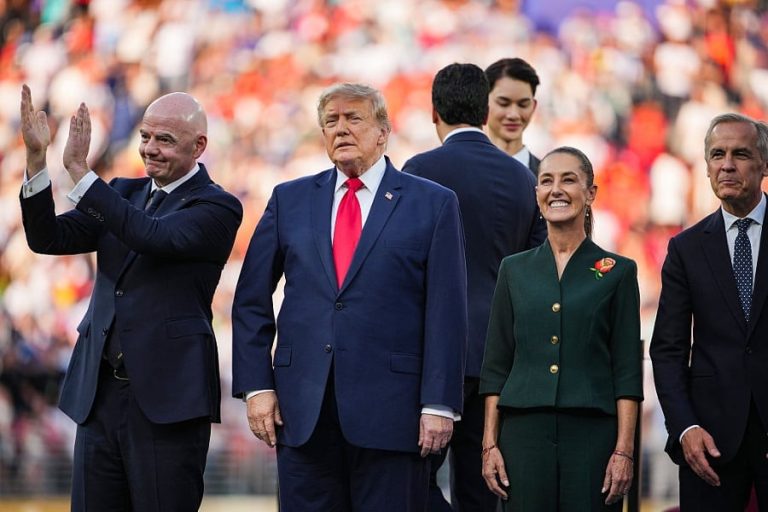
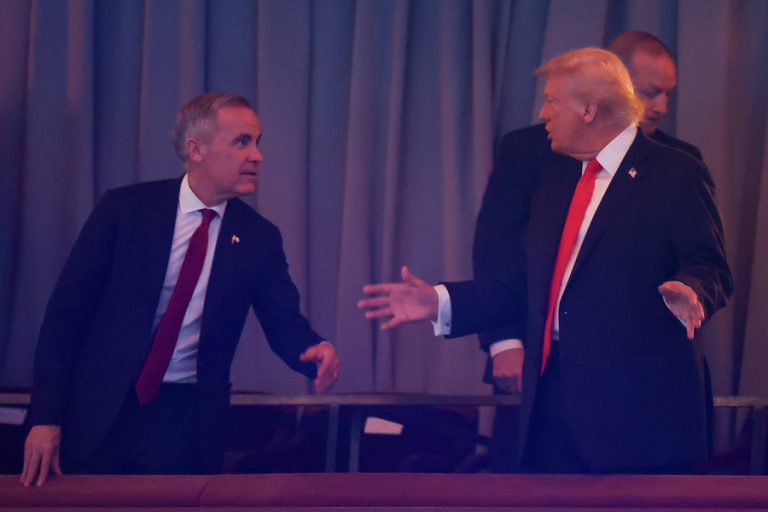
According to the Associated Press, Canadian Prime Minister Mark Carney recently responded to U.S. President Donald Trump’s remarks that “Canada exists because of the United States,” emphasizing that Canada’s development stems from its own values rather than reliance on the U.S. However, some analysts believe Carney’s public comments could unnecessarily heighten tensions amid the currently sensitive Canada–U.S. relationship.
Carney made these remarks after concluding his trip to the World Economic Forum in Davos. In his earlier speech there, he criticized major powers for exerting pressure on smaller countries. While he did not mention Trump by name, his remarks were widely interpreted as a reference to recent U.S. foreign policy.
Emphasizing ‘Canadian independence,’ but wording sparks different interpretations
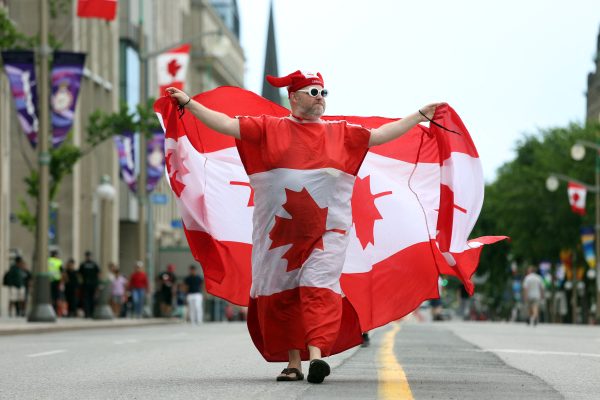
Responding to Trump’s statement that “Canada exists because of the U.S.,” Carney said: “Canada does not exist because of the United States. Canada prospers because we are Canadians.”
He also noted that Canada and the U.S. have deep cooperation in economic, security, and cultural areas, but “we are masters of our own country, and our future will be decided by us alone.”
However, some media outlets pointed out that Carney’s choice to respond publicly to the U.S. president at a delicate moment in bilateral relations objectively amplified existing differences.
Success
You are now signed up for our newsletter
Success
Check your email to complete sign up
The Wall Street Journal commented that while Carney’s statement carries political weight domestically, it “may not help ease Washington’s dissatisfaction” on the diplomatic front.
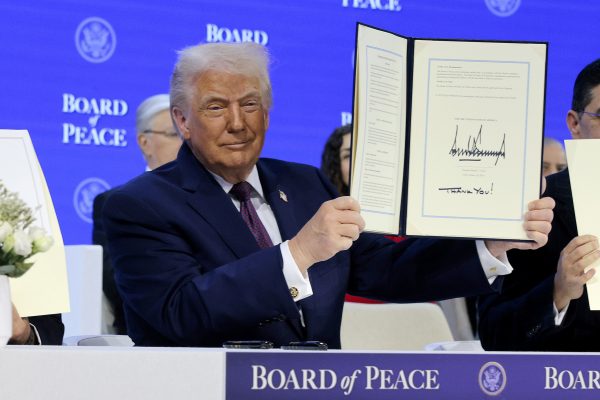
‘Board of Peace’ invitation withdrawn, Canada–US relations stir again
Shortly afterward, Trump announced via social media that he was withdrawing the previous invitation for Carney to join the “Board of Peace” initiative he had launched.
In his statement, Trump described the committee as “one of the most prestigious leadership organizations in history” but said Canada would no longer be invited. NBC reported that no specific reason was given, but the move was widely seen as a direct response to Carney’s remarks.
The Canadian government later stated that while it had in principle agreed to participate, it had not committed to the high costs reported externally. Canadian Finance Minister François-Philippe Champagne also emphasized that Canada had never intended to bear financial obligations for the initiative.
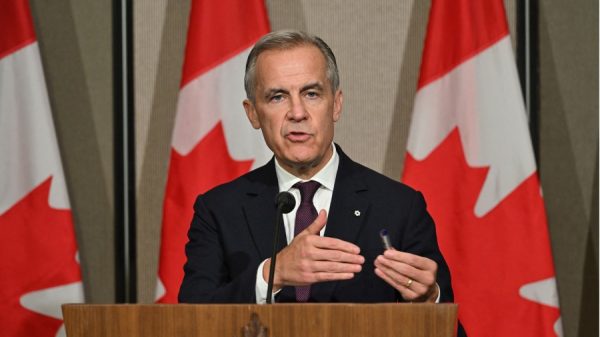
Carney’s stance receives applause but seen as ‘politically charged’
Domestically, Carney’s remarks were supported by some, who viewed them as a defense of national sovereignty. However, others saw his wording as more political expression than pragmatic diplomacy.
California Governor Gavin Newsom publicly praised Carney for “showing courage” but also acknowledged that Canada–U.S. relations are currently facing “complex and delicate tests.”
The Financial Times of the UK noted that Carney’s Davos speech “resembled a declaration of values,” but in practical terms, Canada remains highly dependent on the Canada–U.S. trade system, especially in energy, security, and supply chains.
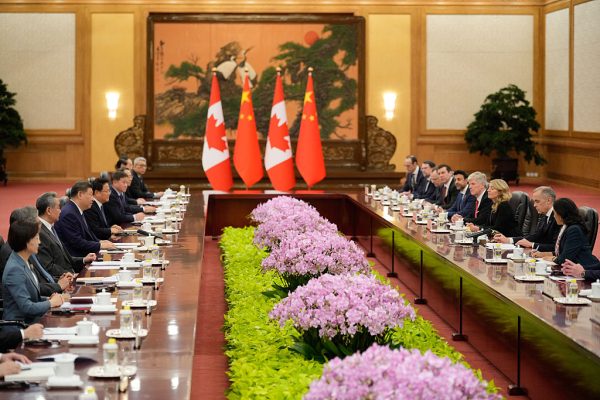
Background: trade, alliances, and practical considerations
At present, Canada has temporarily avoided some tariff impacts due to the USMCA (United States–Mexico–Canada Agreement), but the agreement is entering a review stage, and future negotiations remain uncertain.
Carney recently visited China and promoted Canadian–Chinese cooperation in new energy and electric vehicle sectors. These agreements are seen as helping to introduce more competitively priced EVs to the Canadian market but have also raised caution among some U.S. policymakers.
Against the backdrop of trade, industrial policy, and security pressures on Canada–U.S. relations, Carney simultaneously signaling a tough stance toward the U.S. and openness to China makes his diplomatic approach more controversial and easier for Washington to interpret as “repositioning the alliance.”
Canada’s Globe and Mail commented that in today’s turbulent international landscape and highly interconnected economy, balancing a firm stance with continued cooperation with the U.S. will be a long-term challenge for Carney’s government.