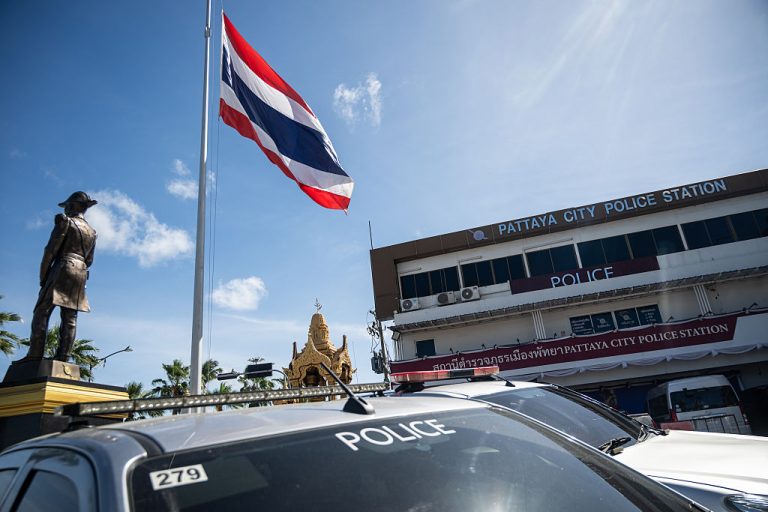
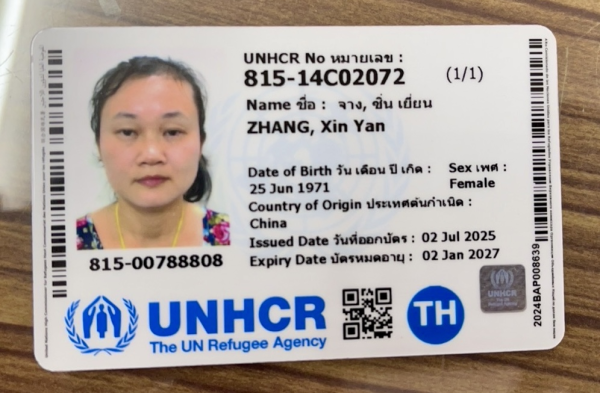
A Chinese refugee recognized by the United Nations (UN) was barred from boarding a Canada-bound flight from Thailand despite being approved for resettlement, prompting urgent calls from human rights advocates and democracy activists who fear she could be forcibly returned to China despite international refugee protections.
According to the Human Rights in China organization (HRIC) and a joint statement issued by activists Elmer Yuen, Ho Leung-mau, and Sheng Xue, Zhang Xinyan was scheduled to fly from Bangkok to Vancouver on July 8 under an “emergency resettlement program” approved by the Canadian government. However, Thai authorities stopped her departure just minutes before boarding, leaving her approved resettlement in limbo.
RELATED: 11 Years After China’s ‘709 Crackdown,’ Exiled Lawyer Reflects on Its Lasting Impact
Zhang was first arrested by Thai authorities in May on immigration-related charges, despite holding refugee status recognized by the UN High Commissioner for Refugees (UNHCR). She is currently being held at Bangkok’s Suan Phlu Immigration Detention Center.
Approved for resettlement before arrest
Activists noted that Zhang had already completed interviews with Canadian officials, including undergoing medical examinations, and submitting biometric information as part of Canada’s refugee resettlement process. However, Thai authorities cited immigration overstay and unauthorized employment violations to prevent her depature. Her planned relocation was immediately suspended.
Success
You are now signed up for our newsletter
Success
Check your email to complete sign up
According to the statement issued by the HRIC, Zhang told supporters by phone that she fears she could be deported to China, where advocates say she would face political persecution. Zhang reportedly fled China years ago after experiencing persecution, arrived in Thailand in 2014, and was granted refugee status by the United Nations High Commissioner for Refugees (UNHCR) in 2016.
A thorn on Beijing’s side
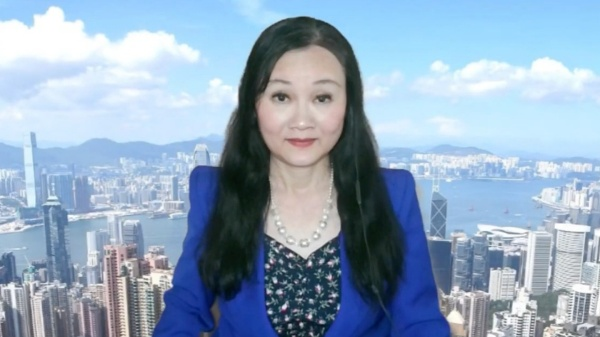
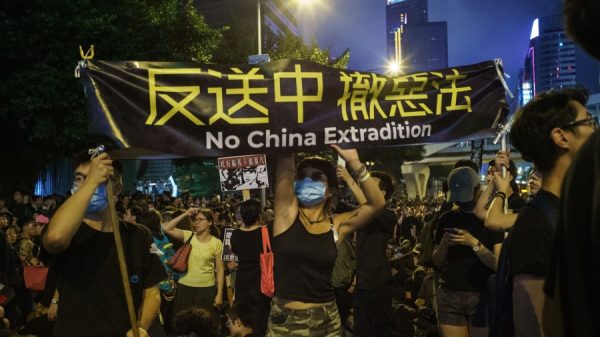
Known as a journalist and pro-democracy activist, Zhang has long spoken out against the Chinese Communist Party (CCP) and supported Hong Kong’s democracy movement. She later became a member of the pro-democracy advocacy organization known as the “Hong Kong Parliament.”
Meanwhile, Hong Kong authorities have accused members of the group of violating the city’s national security laws and placed bounties on several of its overseas members, including Zhang. Activists argue the case reflects Beijing’s broader campaign against dissidents outside its own borders.
Following her detention, the Hong Kong Parliament issued a statement expressing “grave concern and strong protest” against Zhang’s unlawful arrest and detention.
The organization described Zhang as a longtime supporter of Hong Kong’s democracy movement, a veteran journalist, and host of the online program “Xinyan Interviews.” It urged Thai authorities to respect her UN-recognized refugee status and uphold the international principle of “non-refoulement,” which prohibits returning refugees to places where they may face persecution.
The group also called on Thailand to ensure Zhang has access to legal counsel and can communicate freely with the outside world.
Concerns over possible deportation
Canadian democracy advocate Sheng Xue said she had planned to greet Zhang upon her arrival in Vancouver before learning that Thai police had detained her at the airport. “She could very well be deported back to China,” Sheng said, adding, “If that happens, her personal safety would be under serious threat.”
Sheng added that she had submitted Zhang’s refugee sponsorship application to Global Affairs Canada in 2025 and worked with Canadian officials throughout the resettlement process. She also characterized the detention as a challenge to Canada’s refugee protection efforts and urged democratic governments to respond.
Several overseas activists suggested the case may involve pressure from Beijing. Hong Kong Parliament founder Elmer Yuen said he believes Chinese authorities may have sought Zhang’s return to China and said legal efforts are underway to prevent her deportation.
Yuen further alleged that Beijing has expanded its overseas efforts to pursue political dissidents, while veteran journalist Ho Leung-mau warned that Zhang’s case sends “a very dangerous signal” for Chinese dissidents living abroad. Ho called on the U.S. State Department and Secretary of State Marco Rubio to monitor the case, arguing that international attention could help protect Zhang from forced repatriation.
Echoes of previous cases
Supporters say Zhang’s detention recalls earlier cases involving Chinese dissidents detained in Thailand before planned resettlement abroad. One example is that of Chinese activists Dong Guangping and Jiang Yefei, both recognized by the UNHCR, who were deported from Thailand to China in 2015 despite pending resettlement plans to Canada.
Their deportations drew widespread criticism from international human rights organizations, and advocates fear Zhang could face a similar outcome if international pressure is not brought to bear quickly.
RELATED: Over 100 US Lawmakers Urge Trump To Secure Release Of Jimmy Lai Ahead Of China Visit
Zhang’s case comes amid a broader crackdown on dissent in Hong Kong following Beijing’s imposition of the National Security Law (NSL) in 2020. The law criminalizes offenses including secession, subversion, terrorism, and “collusion with foreign forces,” and has been used to prosecute pro-democracy politicians, journalists, activists, and civil society leaders.
Since its enactment, several independent news outlets, including Apple Daily and Stand News, have shut down following police raids and arrests, while press freedom groups say the legislation has contributed to a sharp decline in media freedom and increased self-censorship in the city. Authorities in Hong Kong and Beijing maintain the law has restored stability and targets only acts that endanger national security.
Activists are now urging Thailand to honor its obligations under international refugee protection principles and allow Zhang to continue her approved journey to Canada rather than risk returning her to China, where supporters say she could face renewed persecution for her political activism.