According to CNN, the U.S. Supreme Court agreed last September to hear a case concerning whether President Donald Trump’s massive tariffs on foreign goods are legal. At the time, the White House emphasized that “time is extremely urgent.”
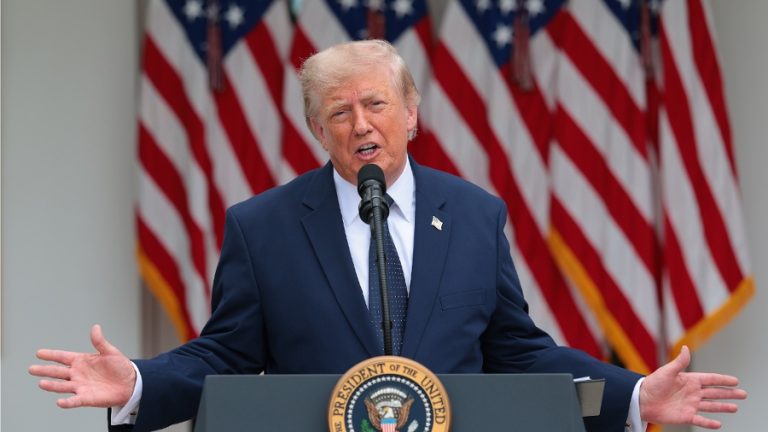
Trump himself described the case on social media as a matter of “LIFE OR DEATH for our Country.” Treasury Secretary Scott Bessent also warned that the U.S. is on the “brink of a cliff,” and that delays in a Supreme Court ruling could exacerbate economic risks.
The Supreme Court subsequently accelerated proceedings, holding oral arguments on Nov. 5. However, although observers widely expected a prompt decision, no ruling has been issued to date.
Tariffs continue to expand while the Court remains silent
While the Court has yet to make a statement, Trump has once again escalated his tariff policy this week—announcing an increase of tariffs on South Korean goods from 15 percent to 25 percent. Earlier, he had also threatened to impose new tariffs on European countries if they did not support his “Greenland plan.”
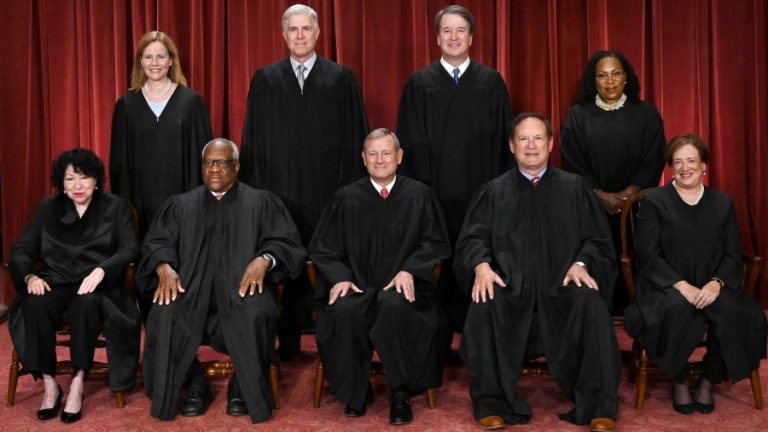
The nine Supreme Court justices are currently on their routine recess, with the next official session scheduled for Feb. 20. While a ruling could theoretically be issued earlier, such a scenario is extremely rare.
Success
You are now signed up for our newsletter
Success
Check your email to complete sign up
Several legal experts advise patience. Oliver Dunford, an attorney with the Pacific Legal Foundation representing multiple U.S. small and medium-sized businesses in a “friend of the court” brief, said:
“We understand everyone is anxious, but by litigation standards, this has already been an extremely fast pace of proceedings.”
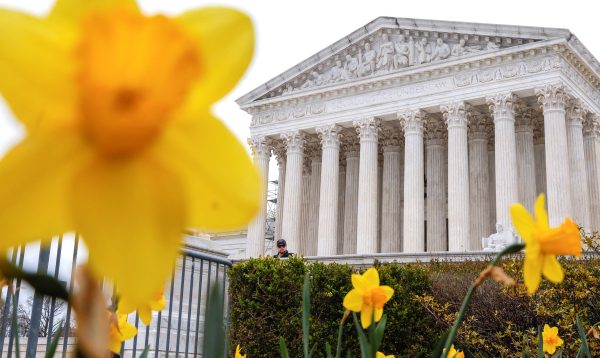
Core dispute: Does the President have unilateral tariff authority?
The legal crux of the case centers on the 1977 International Emergency Economic Powers Act (IEEPA), which authorizes the President to restrict or regulate imports when “national security, foreign policy, or the economy faces an unusual threat.”
The key question: Does this effectively give the President the power to impose tariffs?
During oral arguments, the justices showed clear divisions:
- Supporting Trump: Clarence Thomas, Samuel Alito, Brett Kavanaugh
- Skeptical: Sonia Sotomayor, Elena Kagan, Ketanji Brown Jackson
- Swinging/Undecided: Chief Justice John Roberts, Amy Coney Barrett, Neil Gorsuch
Barrett openly expressed concern during the hearing, noting that she could “find virtually no historical or legal precedent showing that the President can unilaterally impose tariffs under the guise of regulating imports.”
Gorsuch questioned from a constitutional perspective: “If Congress can delegate tariff power to the President, does that mean it could also give up control over foreign trade—or even the power to declare war?”
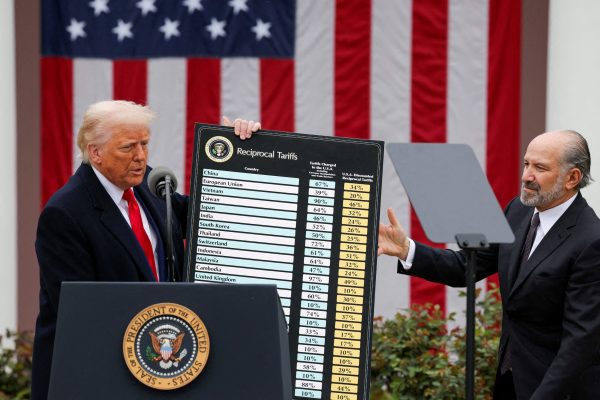
Massive funds and political stakes make the ruling especially sensitive
A key reality is that the Trump administration continues to collect tariffs while the case is pending.
The Treasury Department estimates that by June, related tariff revenue could reach $1 trillion. If the Supreme Court ultimately rules the tariffs illegal, refunding that money would be a massive challenge.
Barrett bluntly asked the plaintiff’s attorney Neal Katyal during oral arguments: “If you win, how do you return this money? It sounds like a mess.”
For this reason, some justices are extremely cautious about issuing a rushed ruling.
When will a ruling be announced? February 20 draws attention
According to North Jersey, while the Supreme Court has reconvened, it is still in deliberation, and it is unclear whether it is actively handling the tariff case.
By convention, a ruling could be announced at the following times: Feb. 20 (Friday) at 10:00 a.m. EST, or any other official “opinion day” in the following weeks.
The Court does not release decisions in advance; the ruling will be read aloud in court.
Analysts note that the case will not only determine whether Trump has broad tariff authority, but may also: redefine the balance of power between the President and Congress, impact global trade patterns, and have significant political ramifications for the 2026 midterm elections.