Some people appear to age more slowly than others, even without an elaborate skincare routine.
Nutrition researchers have long argued that the difference lies not in cosmetics but in daily diet. What people consume consistently shapes skin tone, energy levels, sleep quality, and long-term metabolic health.
Across studies cited by Harvard Medical School and in research on Mediterranean dietary patterns, experts repeatedly return to the same conclusion: aging is driven less by occasional interventions than by everyday food choices. Many of the foods associated with healthier aging are neither exotic nor expensive. They are widely available at Costco and routinely overlooked.
These foods, commonly found at Costco, are not supplements or medical treatments. Their effects are cumulative. By supporting brain function, circulation, digestion, and inflammation control, they influence the biological systems most closely tied to how the body ages over time.
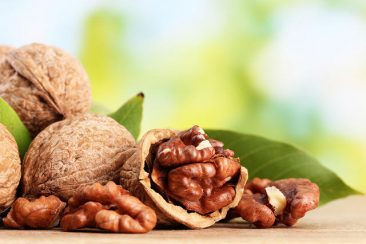
Walnuts (Kirkland Signature)
Brain fog, slower reaction times, and dull skin are often blamed on age. Nutrition research suggests a more immediate cause: insufficient intake of healthy fats.
Success
You are now signed up for our newsletter
Success
Check your email to complete sign up
Roughly 60 percent of the human brain is composed of fat. Walnuts rank among the richest plant-based sources of omega-3 fatty acids, which are consistently associated with cognitive support and nervous system health.
Many people avoid walnuts due to bitterness or inconvenience. Costco’s Kirkland Signature walnuts are pre-shelled and ready to eat. Lightly toasting them at a low temperature—around 300°F for several minutes—can reduce bitterness without degrading their nutritional value.
Regular, moderate consumption is frequently associated with clearer thinking, steadier energy, and healthier-looking hair and skin.
Organic Green Tea (Kirkland Signature)
Antioxidant intake plays a decisive role in how the body responds to daily physiological and emotional stress.
Costco’s Kirkland organic green tea contains catechins, including EGCG—compounds widely studied for their antioxidant effects. Oxidative stress linked to sun exposure, poor sleep, and chronic strain is commonly associated with skin aging and persistent fatigue.
Green tea is often consumed cold-brewed, sometimes with lemon. Vitamin C from citrus is believed to enhance catechin absorption, increasing its physiological impact.
Low in cost and stable on the shelf, green tea is repeatedly cited as one of the most accessible and effective dietary sources of antioxidants.
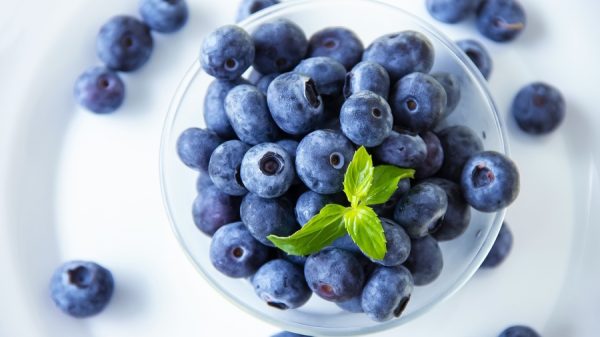
Wild Blueberries
Eye comfort, mental clarity, and skin resilience are closely tied to long-term dietary patterns.
In Costco’s frozen section, nutrition experts often recommend choosing packages labeled “wild blueberries.” Smaller than cultivated varieties, wild blueberries contain significantly higher concentrations of anthocyanins.
Anthocyanins are central to much of the research on aging, particularly in relation to eye health and skin protection. Wild blueberries are easily added to smoothies, oatmeal, or porridge and are commonly associated with improved alertness and visual comfort.
Turmeric Powder
Low-grade, chronic inflammation is increasingly recognized as a primary driver of premature aging.
Turmeric contains curcumin, a compound extensively studied for its anti-inflammatory properties. Persistent puffiness, skin redness, and a generalized sense of heaviness are often linked to inflammatory processes rather than weight gain alone.
Curcumin is typically consumed with black pepper, which significantly increases absorption. Turmeric is commonly mixed into warm milk or plant-based alternatives, often with a small amount of honey.

Extra-Virgin Olive Oil
Healthy aging is inseparable from the types of fats consumed over time.
Extra-virgin olive oil, a cornerstone of the Mediterranean diet, is rich in monounsaturated fats and polyphenols. These compounds are consistently associated with reduced inflammation, improved circulation, and cardiovascular protection.
Costco carries several high-quality options, including oils labeled “Toscano.” Nutrition researchers note that a mild peppery sensation when tasting olive oil often signals a higher polyphenol content.
Replacing refined cooking oils with olive oil is widely recommended as a foundational, long-term dietary shift.
Oats
Digestive health plays a central role in skin appearance, immune function, and daily energy.
Oats contain beta-glucan fiber, which supports gut health and helps regulate blood sugar levels. A stable digestive system is closely associated with improved nutrient absorption and steadier energy throughout the day.
Prepared in advance, overnight oats offer a practical option. With consistent intake, oats are commonly linked to improved digestion and clearer skin.
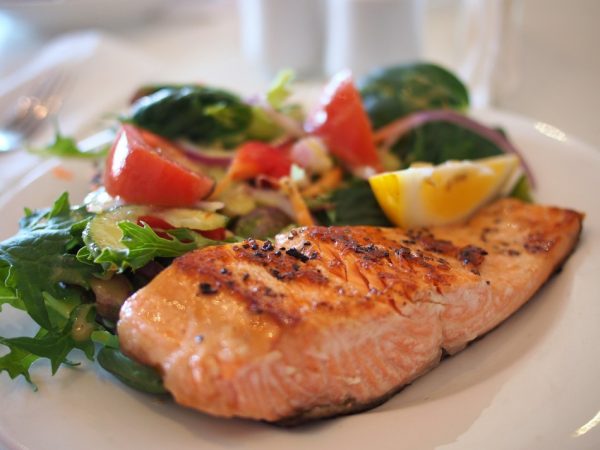
Wild Salmon
Skin elasticity and moisture retention depend heavily on omega-3 fatty acids.
Wild salmon is a staple in diets focused on long-term health. Omega-3s are essential components of the skin barrier and are repeatedly associated with reduced inflammation.
Costco’s wild salmon is typically deep red, firm in texture, and can be prepared simply to preserve its nutritional value.
Manuka Honey or Organic Honey
Digestive balance shapes how efficiently the body absorbs nutrients and regulates energy.
Honey dissolved in warm water—kept below 40°C—is a traditional practice across many cultures. It is often associated with digestive comfort and overall vitality.
Natural sweetness may also support mood regulation, indirectly influencing how people experience their energy and physical well-being.
Aging well is not the result of quick fixes or cosmetic interventions. It reflects long-term habits reinforced daily.
Choosing healthier oils, whole grains, and nutrient-dense proteins year after year reshapes how the body functions—not in weeks, but over decades. When these foods are affordable and readily available, they become sustainable.
Over time, small, consistent decisions at the grocery store accumulate into visible differences in how people feel—and how they age.