The liver is quiet. Unlike the stomach, intestine, or even heart, that may sound the alarm when stressed, the liver almost never sounds an alarm. However, when it does, you may already be in big trouble.
When lab tests and ultrasound images show no abnormalities, people, even doctors, may assume the liver is in good shape. But traditional Chinese medicine believes this is far from enough to have peace of mind; because liver damage rarely announces itself. Even when injury has already occurred, it seldom produces obvious pain. By the time you feel uneasy, or abnormalities show up in test results, the problem has often been developing quietly for a long time.
Traditional Chinese medicine is holistic. Early signs of liver health issues often show up in everyday details. Some people, for example, do not stay up particularly late yet tend to wake repeatedly between 1 and 3 a.m. Others experience dry, red eyes that become strained after only short periods of screen use. Still others frequently notice a bitter taste in the mouth or persistent bad breath, along with irritability, abdominal bloating, or fluctuations in appetite. Although there could be multiple reasons behind these signs, overburden of the liver may play a role too.

Every day tips that benefit your liver
In traditional Chinese medicine, healthy liver favors free and unobstructed flow of inner energy. Anger and depression are often considered to cause obstruction of smooth inner flow. So, to take care of the liver, one needs to first take care of ones’ emotions.
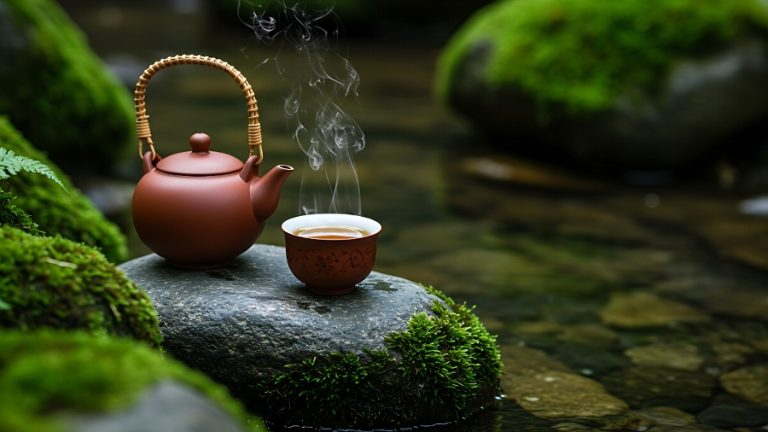
Aggressive nourishment or supplemental food are not recommended. Gentle and mild nourishment are better options. One simple and feasible refreshment is a kind of so called “liver-cleansing tea”: the Chrysanthemum Tea. Traditional physicians often recommend it as an approach of dietary therapy.
Success
You are now signed up for our newsletter
Success
Check your email to complete sign up
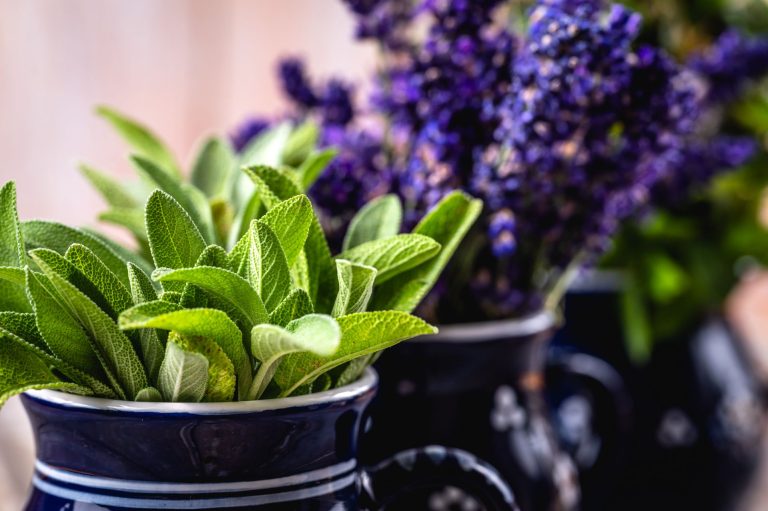
Hangzhou white chrysanthemum is often recommended to nourish the liver and support eye health, easing dryness and irritation. Goji berries nourish the liver and kidneys, too. The formula also includes Yin Chen Hao (Artemisia capillaris), regarded in traditional Chinese medicine as a key herb for clearing the liver and benefiting the gallbladder.
When used together, the tea provided a mild and balanced effect. Many people report that after drinking it consistently for a period of time, eye redness and dryness ease, bitterness in the mouth diminishes, abdominal bloating becomes less frequent, and overall energy and emotional steadiness improve.

No magic fix
However, there is no “magic fix,” regardless whether it is a medicinal or supplemental approach. Drinking tea while consistently staying up late, consuming alcohol frequently, or staying depressed for a long time will undermine even the best-intentioned approach.
Effective liver care rests on at least three basic rules. First, going to bed before 11 p.m., which allows the liver and gallbladder sufficient time for repair. Second, reducing unnecessary medications and alcohol intake to avoid placing additional strain on the body’s detoxification system. Third, learning to release emotional stress rather than letting prolonged frustration or anger disrupt the liver’s natural regulation.
The liver does not speak—but we must learn to understand. Caring for the liver gently is, in essence, a way of laying a steadier path toward long-term health.