Protein intake tends to drop off as people age, and the consequences accumulate quietly. As muscle weakens, infections linger longer and energy flags. Yet the typical advice given to older adults centers on what to cut and eat less of, rather than high-protein foods the body urgently needs.
Chinese dietary researchers have a saying worth taking seriously: “Replenishing protein extends life.” The 2022 Dietary Guidelines for Older Chinese Adults, published by China’s national nutrition authority, spells out why. As people age, the body synthesizes protein more slowly while breaking it down faster. Over time, that gap produces muscle loss, reduced immunity, and deteriorating organ function — each of which raises the risk of disease and premature death.
Four affordable, high-protein foods, consumed in appropriate daily amounts, can meaningfully reverse these trends. Nutritionists emphasize quality and digestibility over quantity. Older digestive systems absorb protein less efficiently, so the key is to choose foods the body can readily use.
Protein needs intensify after 55
Every cell and nearly every metabolic process depends on an adequate protein supply. For adults over 55, that dependence intensifies precisely as the body’s ability to maintain the supply begins to falter. For older adults The National Council on Aging (NCOA) recommends 1.0-1.2 grams of protein daily per kilogram of body weight.
Research from China’s National Institute for Nutrition and Health found that adequate daily protein intake raises immune cell activity in older adults by 20 to 30 percent, reducing the frequency of respiratory infections — including colds and bronchitis — and shortening recovery time when illness does occur.
Success
You are now signed up for our newsletter
Success
Check your email to complete sign up
Muscle loss is the other major risk. Older adults lose muscle mass progressively, a condition called sarcopenia, which produces fatigue, unsteady gait, and difficulty climbing stairs or carrying groceries. Protein is the raw material for muscle synthesis; without enough of it, that loss accelerates regardless of how much someone exercises.
Protein also participates in the synthesis of enzymes and hormones that protect the heart, liver, and kidneys. Clinical data show that older adults who maintain adequate protein intake have lower rates of cardiovascular and liver disease, and more stable kidney function over time. Skin also benefits, with better elasticity and reduced wrinkling — which is why dermatologists often look at the diet before recommending topical treatments.
More protein is not always better. Excessive intake stresses the kidneys, particularly in people with existing kidney conditions. The goal is consistent, appropriate amounts from high-quality sources, not supplementation or overconsumption.
Eggs: six grams of protein the body absorbs almost entirely

One egg per day provides six to seven grams of high-quality protein in a form the body absorbs with exceptional efficiency. The amino acid profile of egg protein closely mirrors what human tissue actually requires, which is why nutritionists rank it among the best available sources of protein.
The cooking method matters for older adults. Soft-boiled or steamed eggs preserve nutritional value and are easier to digest than fried eggs, which tax the digestive system with unnecessary fat.
Milk: protein plus bone protection in one glass
Cow’s milk provides whey protein, one of the most readily absorbed proteins in the human diet. It also delivers calcium and vitamin D simultaneously, making it especially beneficial for older adults concerned about both muscle and bone health.
One 10-ounce glass provides 10 grams of protein. Drinking milk warm, and in the evening rather than the morning, appears to offer a secondary benefit: many older adults report improved sleep. Individuals with lactose intolerance can substitute lactose-free milk or plain yogurt for a similar nutritional effect.
Plant protein: Tofu and soy products
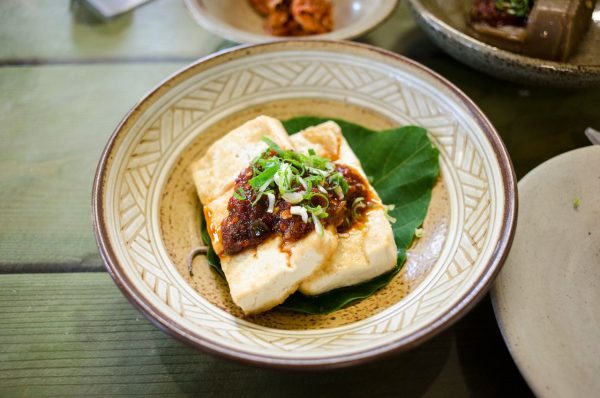
Soy-based foods, including tofu, soy milk, and dried tofu, deliver quality plant protein with no cholesterol, making them particularly well-suited to older adults managing cardiovascular risk. A glass of soy milk at breakfast and a serving of tofu at lunch can provide about 20 grams of plant protein.
Pairing tofu with eggs or fish improves overall protein utilization beyond what either source achieves alone.
Fish: easy-to-digest protein that also protects the heart
Fish protein has a finer texture than red meat and is digested more easily, an advantage that becomes more significant as digestive efficiency declines with age. Fish also supplies unsaturated fatty acids that reduce cardiovascular inflammation.
Two or three four-ounce servings are recommended per week. Varieties with fewer bones and tender flesh, such as crucian carp or sea bass, are particularly convenient. Steaming or simmering in broth preserves both protein content and the heart-protective fatty acids; while braising in heavy sauce or deep-frying diminishes both.
Three months of consistent intake strengthens immunity, muscle, and skin
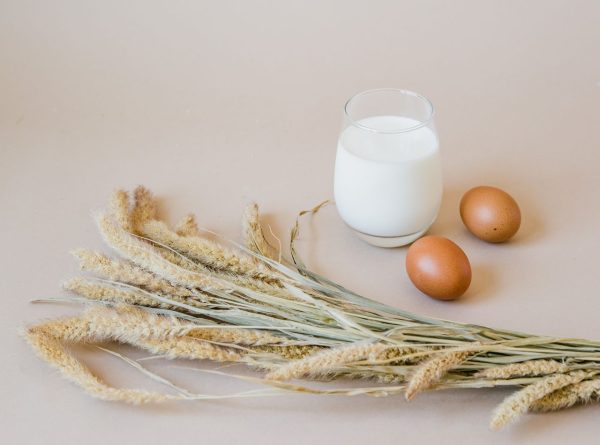
Consumed regularly in the appropriate amounts, these foods should provide sufficient protein to outpace the body’s accelerating rate of protein breakdown after the age of 55.
Immune response typically strengthens first, with fewer respiratory infections and faster recovery when illness occurs. Muscle endurance follows: stairs feel easier, household tasks less tiring, and the fatigue that many older adults accept as inevitable begins to lift. Organ function stabilizes more gradually, but cardiovascular and liver health markers typically improve in those who were previously protein-deficient. Skin changes appear last, with better elasticity, improved color, and reduced wrinkling.