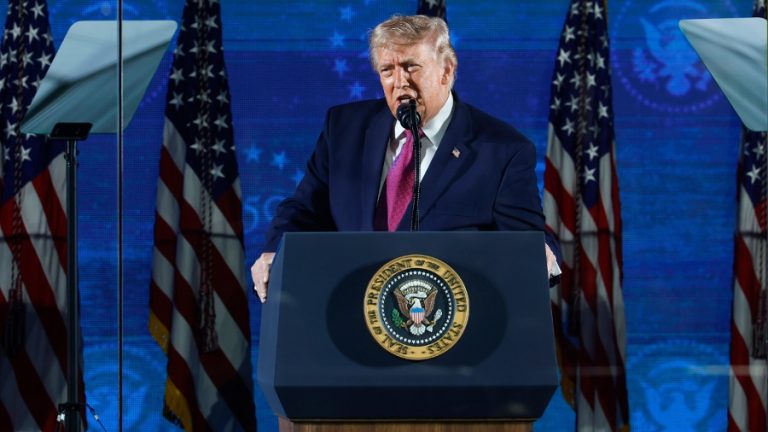
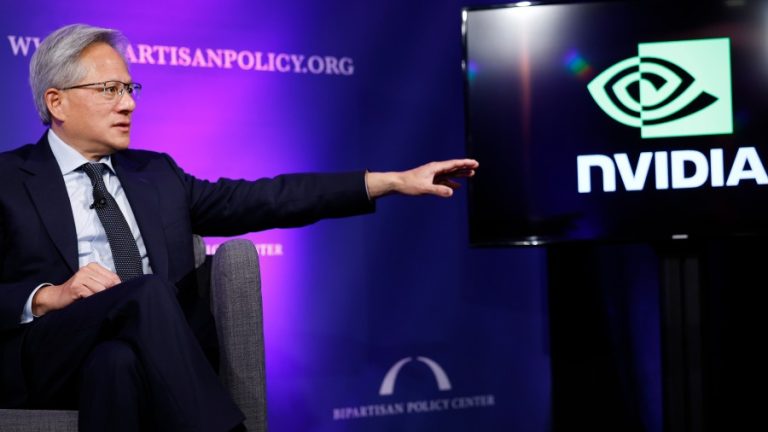
According to a March 13 report by the U.S. news website Axios, during a Group of Seven (G7) video conference held on March 11, U.S. President Donald Trump told allied leaders that Iran is “close to surrender.” Three G7 officials familiar with the meeting said Trump expressed strong confidence about the outcome of the war.
While discussing the joint U.S.–Israel military campaign “Operation Epic Fury,” Trump said the operation had “removed a cancer that threatened all of us.”
However, while claiming Iran was nearing surrender, he also suggested that Tehran may no longer have a leadership figure capable of formally declaring it.
Two officials quoted Trump as saying during the call: “Right now nobody knows who the leader is, so there’s no one who can announce a surrender.”
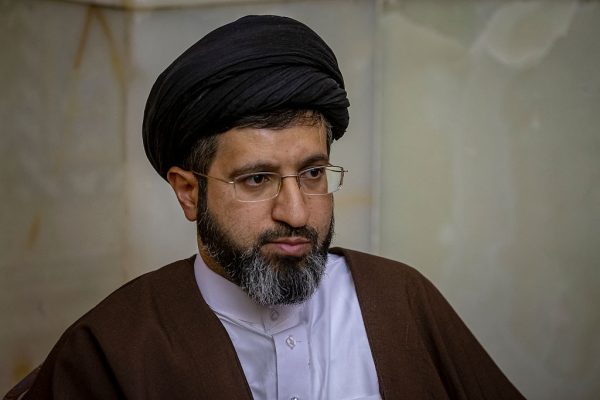
Trump had previously mocked Iran’s new Supreme Leader Mojtaba Khamenei as a “lightweight,” and told Axios that the succession of Ali Khamenei’s son as leader was “unacceptable to the United States.”
Success
You are now signed up for our newsletter
Success
Check your email to complete sign up
Iran’s New Supreme Leader speaks, vows a ‘new front’
About 24 hours after the G7 call, Iran’s new Supreme Leader Mojtaba Khamenei delivered his first public statement since taking office via state television, vowing to continue the fight.
In the statement, he allegedly said Iran would avenge the “martyrs” of the war and would open “new fronts in places where the enemy lacks experience and is highly vulnerable.”
However, several reports claim the new Supreme Leader was seriously wounded in an airstrike, allegedly losing a leg and being left unconscious.
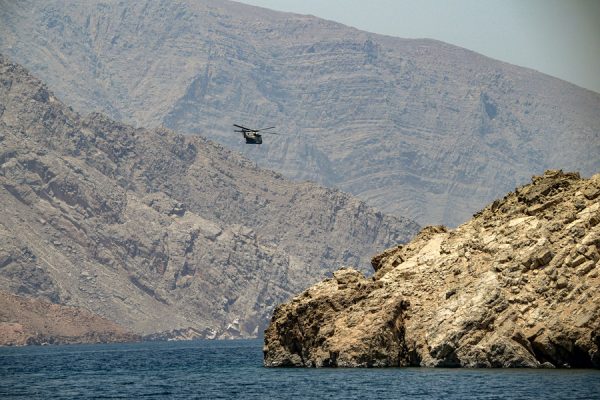
The statement also reiterated Iran’s threat to block the Strait of Hormuz. Earlier tanker attacks have already pushed global oil prices above $100 per barrel, raising concerns about a worldwide economic crisis.
Several G7 officials told Axios that during the meeting, other world leaders urged Trump to end the war quickly and stressed the urgent need to restore shipping safety in the Strait of Hormuz.
Trump responded that conditions in the strait were improving and that commercial vessels should resume sailing. However, later that night, at least two oil tankers caught fire after being attacked off the coast of Iraq.
Sources said Trump’s remarks about the war’s objectives and timeline were “vague and uncertain.” Some participants believed he favored ending the conflict soon, while others thought he might expand military operations.
Trump said the key issue was “timing,” adding that the mission must be completed to avoid “fighting Iran again in five years.”
Hormuz crisis drives oil prices higher; Europe worries Russia will benefit
As tensions around the Strait of Hormuz worsen, global oil prices have continued to surge. Brent crude has surpassed $100 per barrel and at one point approached $120. The situation could benefit major energy producer Russia.
German Chancellor Friedrich Merz, British Prime Minister Keir Starmer, and French President Emmanuel Macron urged Trump during the meeting not to allow Moscow to exploit the war or gain relief from sanctions.
However, just hours later, Russian President Vladimir Putin’s envoy Kirill Dmitriev met in Florida with Trump advisers Steve Witkoff and Jared Kushner to discuss the global energy crisis.
The U.S. Treasury Department subsequently announced a one-month limited sanctions waiver on Russian oil already in transit, provided it is not connected to Iran.
U.S. Treasury Secretary Scott Bessent said the measure “will not bring significant economic benefit to the Russian government,” and is intended to stabilize global energy markets.
Explosion in Tehran shakes protests; war spreads across the Middle East
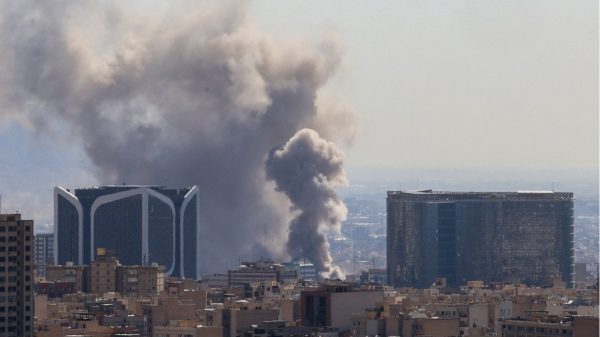
Meanwhile, according to the Associated Press on March 13, a large explosion occurred Friday in Tehran during the annual “Quds Day” pro-Palestinian demonstrations.
The blast took place near Ferdowsi Square, where thousands of protesters had gathered chanting slogans such as “Destroy Israel” and “Down with America.”
Israel had earlier warned residents on Persian-language social media to leave the area, but most people did not see the warning because Iran’s government has largely shut down the internet since the war began.
No casualties have been reported so far. Videos from the scene show smoke rising after the explosion while crowds continued chanting “Allahu Akbar.”
At the time, Iran’s hardline judiciary chief Gholamhossein Mohseni Ejei was giving an interview to state television. After the blast, bodyguards quickly surrounded him, and he raised his fist, declaring: “Under artillery fire and missiles, Iran will never retreat.”
Senior Iranian security official Ali Larijani, who was also present, told reporters the suspected Israeli attack “shows the enemy’s desperation.”

War expands across the Middle East
The Associated Press reported that nearly two weeks after the war began, the conflict has spread across the Middle East.
Iran has continued launching missiles and drones toward Israel and Gulf states. Saudi Arabia said its air defense systems intercepted nearly 50 Iranian drones on Friday.
In northern Oman’s industrial city Sohar, a crashed drone killed two people.
Air-raid sirens sounded in Bahrain, while an industrial area in Dubai caught fire after missile debris fell there. A building in the Dubai International Financial Center was also damaged by falling fragments.
Meanwhile, fighting between Israel and Hezbollah in Lebanon has intensified. Around 60 people in northern Israel were injured in rocket attacks, most with minor wounds.
Since the war began, more than 600 people have been killed in Lebanon, and about 800,000 have been displaced. Iran says over 1,300 people have died domestically, while Israel reports 12 deaths.
The U.S. military also confirmed that a KC-135 aerial refueling aircraft crashed in Iraq. Of the six crew members on board, four have been confirmed dead, while the other two are still missing and being searched for.