By Li Ting, Vision Times
A Guangzhou citizen’s public appeal to suspend certain organ transplant procedures in China has drawn national attention and putting Chinese officials on high alert. Human rights lawyer Wu Shaoping says the proposal touches on deepening social anxieties surrounding cases of missing individuals coupled with the transparency of China’s controversial organ transplant system.
In early March, Gao Fei, a resident of Guangzhou, sent a proposal to five central government bodies, including the Standing Committee of the National People’s Congress, the State Council, the National Supervisory Commission, the Ministry of Public Security, and the National Health Commission.
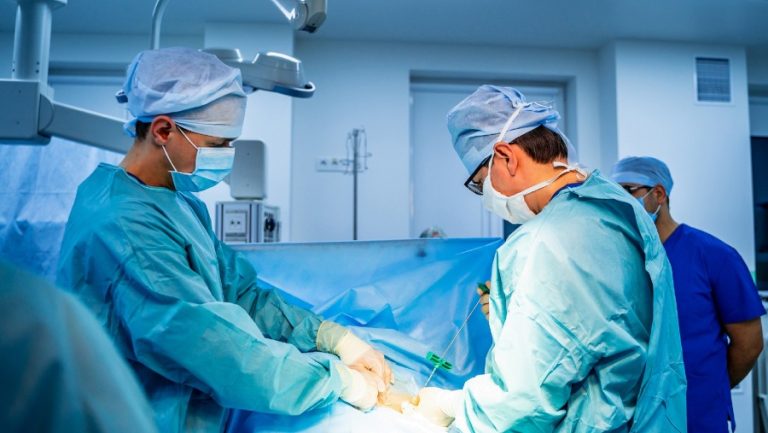
In the document, Gao called for a comprehensive review and temporary suspension of non-relative organ transplants until a transparent verification system can be established. However, soon after sending the proposal, Gao reportedly began facing various forms of pressure and harassment from authorities.
Distrust in the government
Gao said his decision to submit the proposal stemmed from growing concern about reports of missing persons in China, particularly cases involving young people who have disappeared or died under unusual circumstances.
Success
You are now signed up for our newsletter
Success
Check your email to complete sign up
RELATED: Exclusive: Citizen Petition Raises Questions About China’s Organ Transplant Practices
He cited a case that deeply disturbed him: a kindergarten in Xi’an that reportedly partnered with a local organ transplant center to conduct promotional activities. While investigating the issue through official hotlines, Gao said he encountered indifference and bureaucratic evasion from government departments.
To him, the experience suggested deeper institutional problems. “The government has lost its sense of responsibility to protect children and its seriousness toward the value of human life,” Gao wrote in his explanation.
In media interviews, Gao emphasized that as an ordinary citizen he could not personally determine whether individual transplant operations were illegal. However, he argued that the lack of publicly accessible data linking missing-person cases with organ transplant records raises legitimate questions.
“As an ordinary citizen, I cannot verify whether any specific transplant case is illegal,” Gao said. “But if the authorities cannot disclose transparent information about missing persons and organ transplants, then people have reason to question the legitimacy of every transplant case.”
Gao therefore called for the temporary suspension of all non-relative organ transplants until an independent oversight and verification mechanism is established.
Legal implications
Exiled Chinese human rights lawyer Wu Shaoping, who’s now based in the United States, said in an interview with Vision Times that Gao’s proposal raises significant legal and ethical questions. According to Wu, China’s medical system commonly uses brain death as the criterion for organ procurement. However, he argued that the concept has not been fully codified in Chinese law.
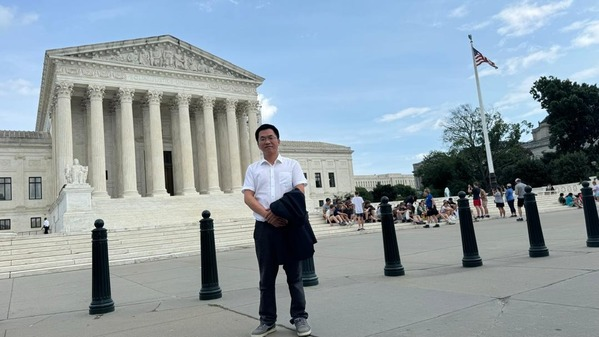
“Chinese law has not formally recognized ‘brain death’ as the legal standard for determining death,” Wu said. “The legal definition of death still centers on the cessation of the heartbeat. If organs are removed after a hospital unilaterally declares brain death, that could legally be interpreted as intentional homicide.”
Wu said the current regulatory framework governing transplantation, particularly the Regulation on Human Organ Transplantation issued by the State Council, operates at a relatively low legislative level and lacks sufficient oversight mechanisms. He further argued that the absence of transparency has fueled public suspicion, especially as reports of missing youth and unexplained deaths continue to circulate online.
Pressure to ‘maintain stability’
Following his appeal, Gao reportedly encountered responses from authorities that he interpreted as attempts to deflect responsibility. On March 19, Guangzhou’s Baiyun District Public Security Bureau responded to his complaint by stating that the matter did not fall within police jurisdiction and suggested he contact health authorities instead.
Later the same day and on March 20, Gao reportedly received phone calls from officials in his hometown of Qichun County, Hubei Province. According to Gao, local village officials informed him that police and local government personnel were preparing to travel to Guangzhou to “meet” with him.
Wu Shaoping said such actions reflect a broader system of “stability maintenance,” in which local authorities coordinate to monitor or pressure individuals raising sensitive issues. “Instead of addressing the public’s concerns, the authorities often focus on dealing with the person who raises the question,” Wu said.
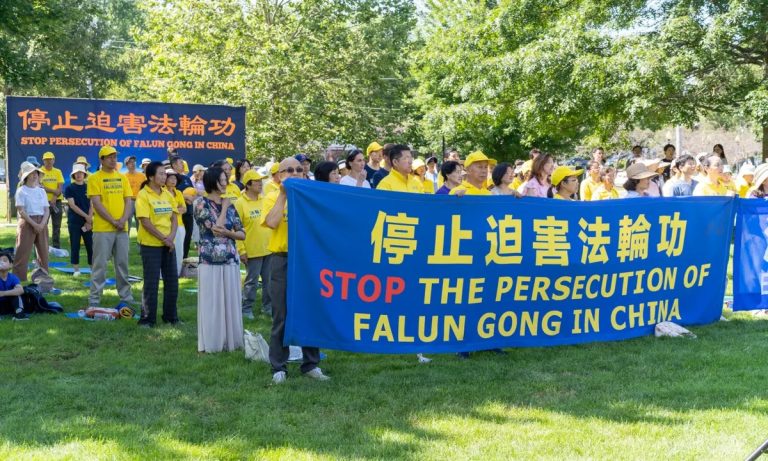
During the interview, Wu also referenced the debate surrounding allegations of forced organ harvesting from prisoners of conscience in China. He noted that such allegations were first widely publicized by Falun Gong practitioners in 2006, though at the time many people dismissed or ignored the claims.
Raising awareness
Wu compared the situation to the well-known reflection by German pastor Martin Niemöller, who warned about the dangers of remaining silent in the face of injustice. “At first, a specific group was targeted, and many people chose to remain silent,” Wu said. “But if injustice spreads, eventually it can affect everyone. Protecting others ultimately means protecting yourself.”
International scrutiny of China’s organ transplant system has increased in recent years. Investigations, reports by human rights organizations, and discussions in Western legislatures have focused on transparency, ethical standards, and the origins of transplant organs.
Wu urged the international community to strengthen oversight through diplomatic pressure, sanctions against individuals or institutions involved in unethical practices, and restrictions on so-called “organ tourism.” Such measures, he argued, could help curb abuses if they exist.
Despite mounting pressure, Gao says he remains determined to continue speaking out. In a statement he wrote: “Aside from life itself, I have nothing. If we do not even fight to protect life, then living would be worse than living as a dog.”
Though his social media accounts have reportedly been permanently banned, Gao says he intends to continue exercising what he believes are his constitutional rights to raise public concerns through lawful and rational means.