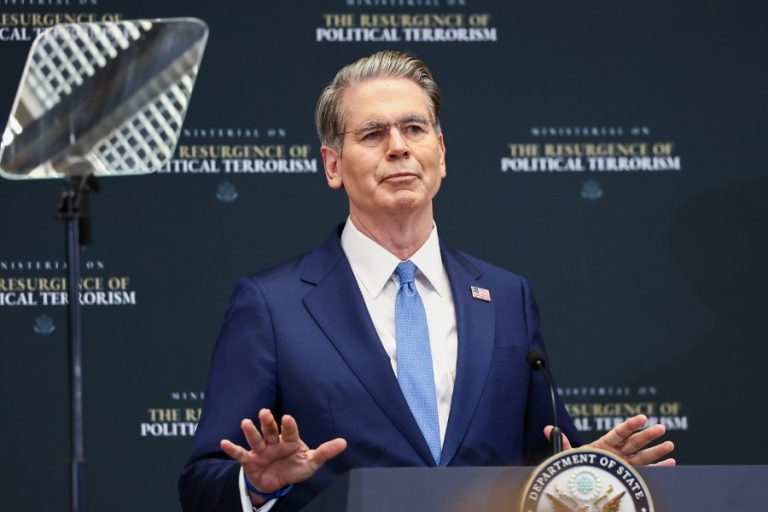
As U.S.-Iran tensions continue to escalate, U.S. war minister Pete Hegseth said on Tuesday, March 31 that the United States would take action against Russia and China if necessary. He also warned that the coming days could have a decisive impact on the course of the Middle East conflict, and that the situation could escalate further if Iran does not reach an agreement soon.
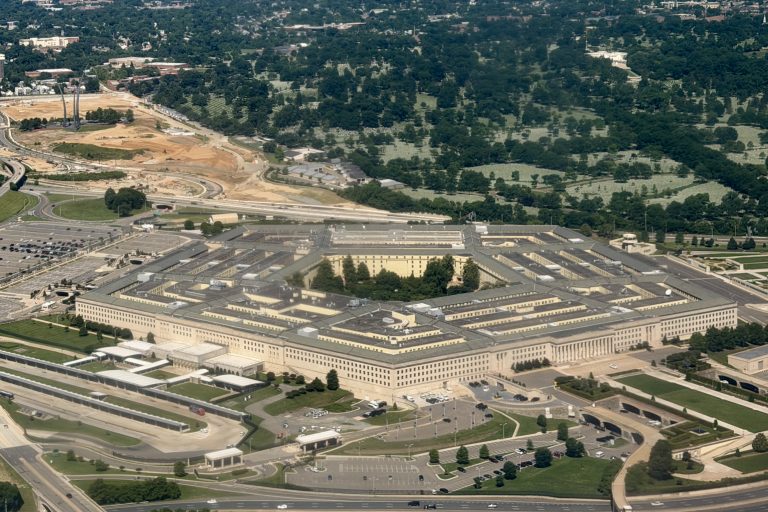
Previously, media reports indicated that Russia and China were assisting Iran. When asked about this at a Pentagon press briefing, Hegseth said: “As for Russia and China, we are very clear about what they are doing, as well as what they have or haven’t done.”
He added: “We don’t need to reveal all details publicly, but when necessary, we are responding to these situations, mitigating them, or directly addressing them.” He did not elaborate on specific measures.
Hegseth visits US forces involved in Iran conflict
Meanwhile, Hegseth revealed that he visited U.S. forces stationed in the Middle East last Saturday under the U.S. Central Command area of responsibility, staying for about half a day. For operational security, he did not disclose specific bases or locations.
“I can only say that this visit was made with respect,” he said. “I had the chance to see firsthand, and what I saw was the best of America.”
Success
You are now signed up for our newsletter
Success
Check your email to complete sign up
On the battlefield situation, Hegseth emphasized: “Our options are increasing, while the adversary’s options are decreasing… In just one month, we have set the conditions, and the next few days will be decisive.” He also said that Iran currently has almost no capacity to turn the military situation around.
Will the US send ground troops to Iran?
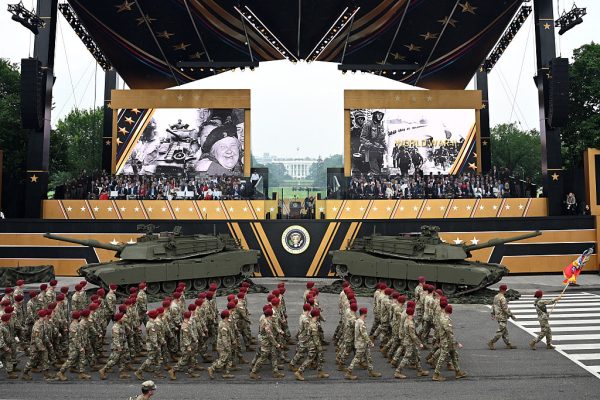
Regarding concerns about deploying ground troops, Hegseth declined to give a direct answer. He explained that revealing operational options to the adversary would be detrimental to combat and could affect the outcome.
“If you tell your opponent what you will or won’t do, including whether ground forces will be deployed, you cannot fight, let alone win a war,” he said.
He added: “Our current adversary thinks we might have 15 different ways to launch operations with ground forces. You know what? That’s true.”
Hegseth also noted that negotiations between the U.S. and Iran aimed at ending the conflict are ongoing. He said the U.S. “does not want to take military action beyond what is necessary,” but stressed, “You can’t just talk while dropping bombs.”
Iran threatens US companies as Gulf tensions rise
Amid ongoing military pressure, Iran issued counter-threats.
The Iranian Revolutionary Guard Corps announced that starting Wednesday, U.S. companies in the region would be targeted in retaliation for military actions against Iran. Targets include Microsoft, Google, Apple, Intel, IBM, Tesla, Boeing, and 18 other companies.
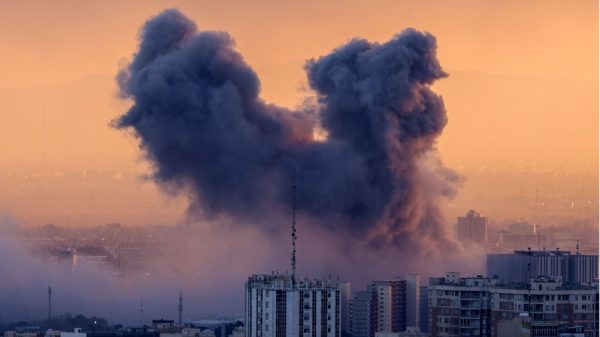
Meanwhile, regional tensions further escalated. Iran ignited an oil tanker loaded with crude oil off the coast of Dubai. This marks the latest attack on commercial vessels in the Gulf and Strait of Hormuz since U.S. and Israeli military operations against Iran began on Feb. 28.
U.S. President Donald Trump warned again on Monday that if Iran does not accept a peace agreement and reopen the Strait of Hormuz, the U.S. will destroy Iran’s energy facilities.
US military reports striking 11,000 targets
At the same briefing, U.S. Joint Chiefs of Staff Chairman General Kane said U.S. forces are conducting precision strikes on military production nodes in Iran. In the past 30 days, about 11,000 targets have been struck.
He also noted that the U.S. “continues to maintain dominance over the Iranian navy,” with more than 150 Iranian vessels destroyed.
Kane emphasized that strikes will continue to target Iran’s military production and launch capabilities.
Regarding Iranian missile and drone activity, he stated, “We are indeed seeing a continued decline in launch frequency,” though not yet down to zero.
He added that the ongoing strikes on Iran’s defense industry aim to prevent the reconstruction of its military capabilities.