A remark attributed to U.S. president Donald Trump about supplying weapons to Iranian protesters has spread quickly online, drawing attention far beyond the Middle East.
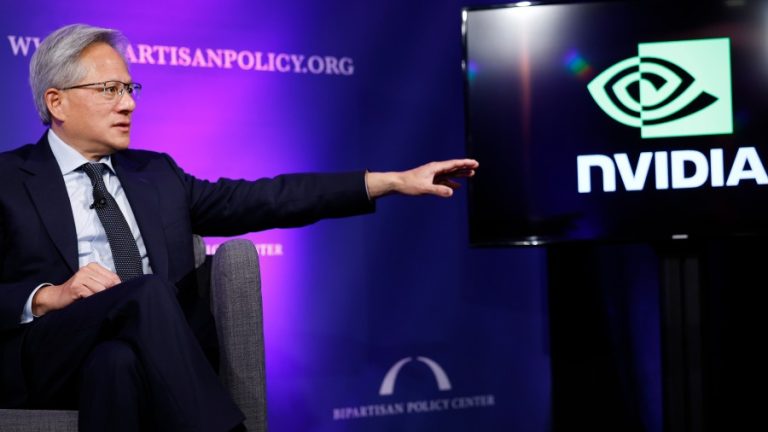
Speaking at a White House Easter event, Trump said the United States had sent “a lot of guns” intended for anti-government demonstrators in Iran. He added that the weapons never reached them, claiming they had been intercepted or kept by intermediaries.
“We sent guns, a lot of guns,” Trump said. “They were supposed to go to the people so they could fight back against the thugs.” He went on to say that those who received the weapons had kept them, adding that “some people” would face consequences.
The comments, reported by outlets including The Times of Israel, echoed earlier accusations by Trump that U.S. weapons shipments had been diverted, including claims involving Kurdish groups.
Online in China, the reaction took on a different direction.
Success
You are now signed up for our newsletter
Success
Check your email to complete sign up
On Chinese-language platforms and overseas social media, users began to draw parallels between Iran and China. Some posts openly speculated about whether the United States might one day support anti-government movements elsewhere. Phrases such as “airdropping weapons” began appearing in comment threads, often framed half-seriously, half as political venting.
The discussion did not stop there.
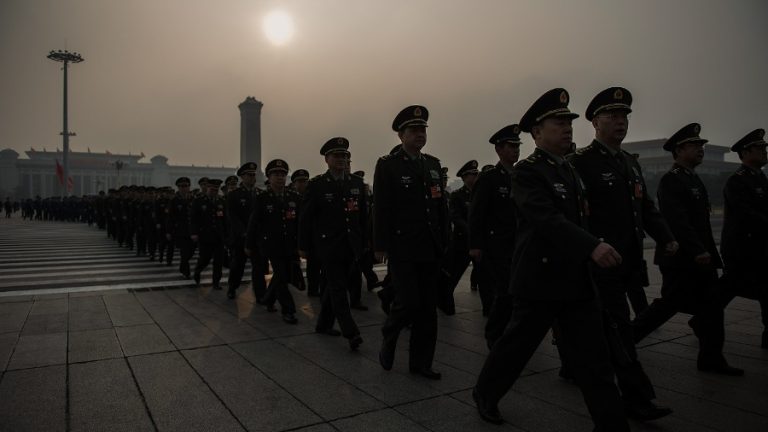
Around the same time, a separate thread circulating on the social media platform X described what users said were unusual military signals near Beijing. One widely shared post claimed that military radar systems around the capital had been switched to full power, a move that, if true, could shorten equipment lifespan and make installations easier to detect.
In the comment sections, users argued over whether such measures would be effective. Some dismissed the claims outright. Others treated them as signs of heightened alert, linking them to fears of external threats.
Additional posts described tighter drone restrictions and unexplained electronic interference, including reports of compass fluctuations and radio static. These claims could not be independently verified.
What stood out was not just the content of the posts, but the tone.
Comments ranged from sarcasm to open cynicism about political leadership. Some users suggested that security measures, real or imagined, reflected deeper unease within the system. Others speculated about internal divisions, with references to elite politics appearing alongside discussions of foreign conflict.
In this online environment, Trump’s remarks became more than a statement about Iran. They were recast as a scenario, then as a possibility, and finally as a projection.
The conversation moved quickly, from a report about weapons shipments abroad to a discussion about power, control, and vulnerability at home.
By Jian Yi